St. Paul marijuana shooting: Shocking details revealed
As cannabis reform sweeps the nation, the St. Paul marijuana shooting underscores the complicated intersection of street-level deals, imperfect laws, and community safety. Not just another headline, this grim incident packs lessons for both advocates and regulators. With the Midwest slowly expanding legal markets, every tragedy like this is a wake-up call to address unresolved issues around safety, access, and stigma. This article dives into both the facts and the deeper industry context, while advocating for balanced, informed solutions.
Understanding the St. Paul Marijuana Shooting: Background & Context
The St. Paul marijuana shooting is set against the complex backdrop of Minnesota’s evolving cannabis laws. While medical cannabis has been legal in the state since 2014, recreational use remains in a patchwork state of legal ambiguity, driving much of the trade underground (Minnesota Office of Cannabis Management). This regulatory grey zone leaves many residents caught between the risks of informal transactions and the hope for full legalization as witnessed in recent events that have shaken the community. Social stigma persists, despite shifting public opinion reflected in statewide polling by organizations like NORML (NORML), which finds increasing support for regulated markets. Until policymakers address uneven enforcement and establish accessible legal pathways, incidents like the St. Paul marijuana shooting are likely to challenge communities, policymakers, and consumers alike.
Key Developments & Core Issues in the St. Paul Marijuana Shooting
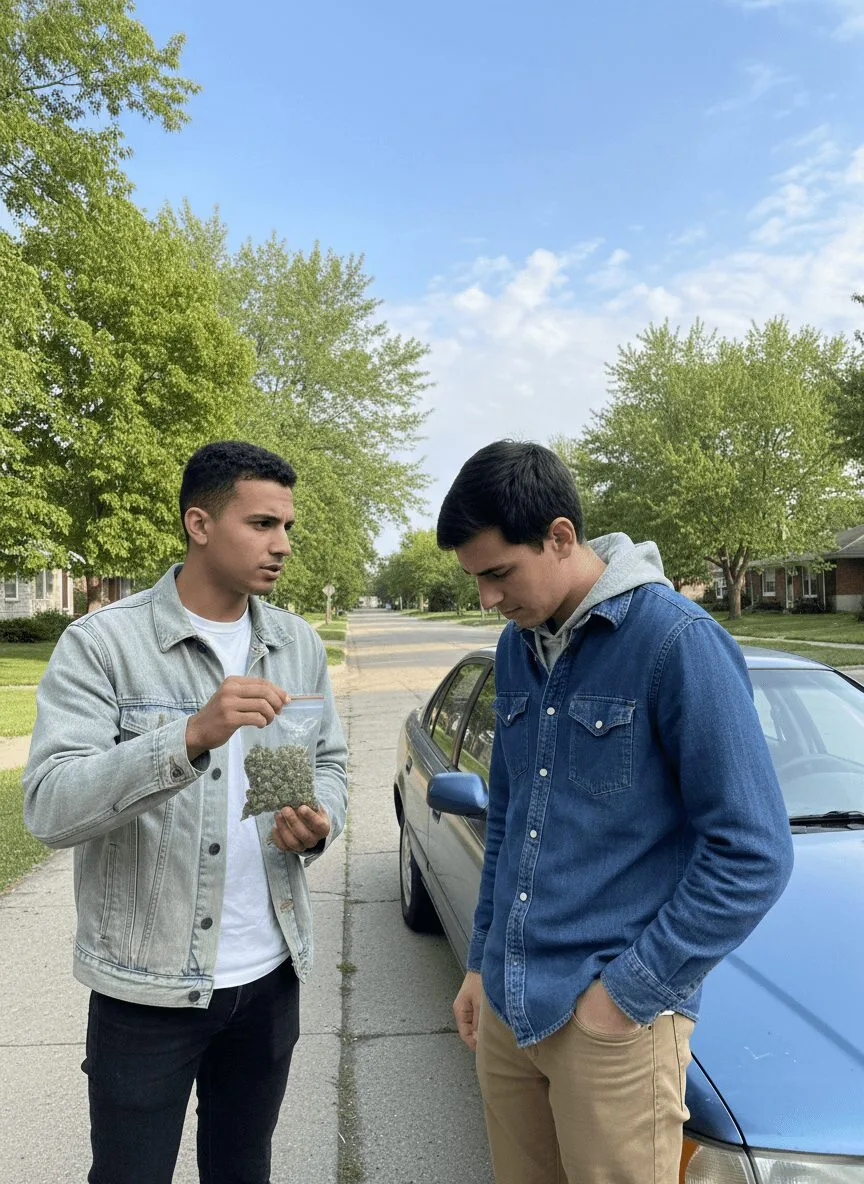
According to Twin Cities Pioneer Press, the St. Paul marijuana shooting occurred on a quiet residential block amid what authorities believe was a planned cannabis exchange. The tragic events unfolded on the morning of February 6, 2026, when two young men met beside a parked car, reportedly to finalize a marijuana deal. Legal filings reveal an escalating verbal exchange, with an attempt to negotiate, or perhaps renegotiate, the terms. Suddenly, tension snapped into violence, witnesses and surveillance footage document one party reaching into a pocket moments before shots rang out. The incident left one individual fatally wounded. Local law enforcement quickly responded, launching an active investigation and charging the surviving participant with felony murder and illegal possession of cannabis. This case has reignited debate over the safety risks of unregulated transactions, as highlighted by respected outlets such as Leafly and Filter Magazine. For more perspectives on how legal and policy gaps drive similar concerns elsewhere, see the ongoing debate about overlooked issues of cannabis legalization. As legal teams prepare for trial, calls for cannabis justice reform grow louder in both activist and mainstream circles.
Expert Analysis & Industry Insights: What the St. Paul Marijuana Shooting Reveals
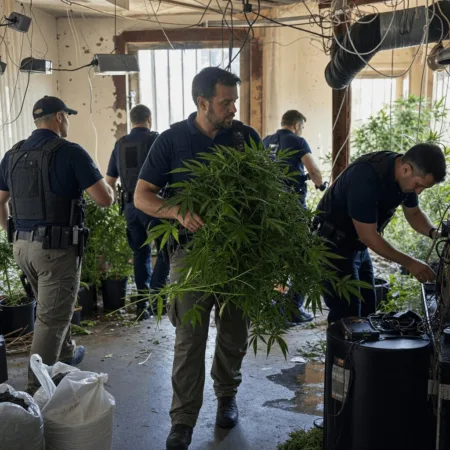
The St. Paul marijuana shooting lays bare the dangerous limbo between prohibition and full legalization. Market experts point to a persistent mismatch in Minnesota, demand is robust, but access is limited by slow regulatory rollout. As observed in Marijuana Moment, states with proven retail access have seen a drop in market violence and street-side crime. Dr. Janice Becker, a public health and cannabis policy leader, comments: “When people are forced into back-alley deals, the risks multiply, regulation saves lives as much as it regulates plants” (Health Affairs). This aligns with national data showing that legal markets correlate with improved public safety metrics. Importantly, not all cannabis-involved altercations reflect ‘drug violence’, many are products of outdated enforcement priorities and lack of legal avenues. As industry voices urge, nuanced policy, not panic, must guide our response. A parallel can be seen in other regions striving to balance safety and regulation, as highlighted by the lessons learned from recent law enforcement actions in Martin County.
Looking Forward: Reform, Opportunity, and a Safer Cannabis Future
The aftermath of the St. Paul marijuana shooting is a stark reminder that regulation, education, and access are the real tools for building safer communities. Industry advocates argue that embracing a robust, equity-focused cannabis market can shift risky deals out of the shadows and into responsible, accountable hands. As new regulatory frameworks emerge (Cannabis Business Times), hope remains high that tragedies like these will become relics of the past. With a growing majority of Americans supporting legalization, Minnesota and other states must accelerate reforms that prioritize public safety, community trust, and economic inclusion. The road ahead will have challenges, but with smart regulation and a spirit of understanding, the cannabis industry can deliver on its promise of healing, opportunity, and safety for all.
Originally reported by: twincities.com