Marijuana Deal Shooting: Shocking St. Paul Incident Exposed
The marijuana deal shooting in St. Paul has captured local and national attention, highlighting the ongoing gray area between legal reforms and illicit markets. With more American states embracing cannabis reform, cases like these reveal the lingering complexities surrounding street-level transactions, safety, and evolving social perceptions. Today’s weed scene is different, but incidents like this show how essential smart policy and education remain for the cannabis industry. Let’s break down what went down, why it matters, and how this fits into the bigger cannabis conversation.
The Legal and Social Landscape: Cannabis in Transition
To understand the marijuana deal shooting in St. Paul, we first have to look at Minnesota’s unique cannabis climate. Currently, Minnesota allows medical marijuana use, but full adult recreational legalization only passed in 2023, and legal sales aren’t expected to start until 2025, according to MPR News. This incremental rollout means an underground market still thrives alongside legal reforms. As NORML details, limitations on homegrown plants, sales, and distribution complicate consumer access and foster a patchwork of legal and illegal operations. Socially, perceptions of cannabis are rapidly improving thanks to ongoing research, pop culture normalization, and high-profile legislative wins across the U.S., but stigma and risk sometimes still linger at street level—especially in areas where shifting regulations spark debate and concern, such as what is explored in recent discussions about legislation and local impact in other states.
The clashes between new legal frameworks and old enforcement priorities create a recipe for confusion, opportunism, and sometimes danger, providing the background to incidents like the marijuana deal shooting in St. Paul. With both consumer demand and regulatory scrutiny on the rise, every episode like this sparks wider scrutiny of policy and practice nationwide.
Breaking Down the St. Paul Marijuana Deal Shooting
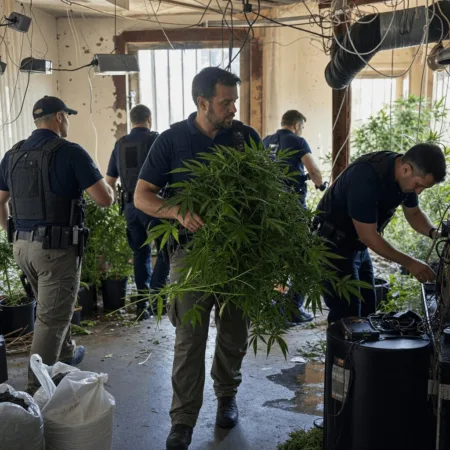
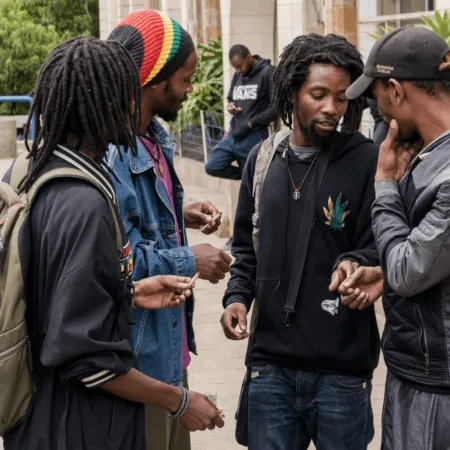
According to coverage by Twin Cities Pioneer Press, the St. Paul marijuana deal shooting took place on February 6, 2026, in a quiet urban neighborhood. What started as a routine cannabis transaction escalated dangerously, as two young men arranged a meetup in a parking lot, but the deal turned violent. Local police, referencing eyewitness testimony and surveillance footage, reported one participant produced a firearm during the exchange, resulting in fatal injuries for the other party involved. This echoes similar community safety debates and enforcement responses that have occurred in the wake of major drug busts, like those highlighted during widely reported network investigations in other regions.
Authorities quickly identified and charged a suspect, emphasizing the connection to an unregulated cannabis sale, not sanctioned by Minnesota’s emerging regulatory structures. The quick police response underlines how marijuana deal shootings, even in the wake of increasing normalization, still provoke a heavy legal and social reaction.
Documents referenced in legal filings indicate that both individuals were previously unknown to law enforcement and lacked a documented criminal history relating to cannabis. This suggests opportunistic risk-taking within an uncertain regulatory space, an issue highlighted by many recent Leafly reports about persistent black-market risks in states shifting to legal weed. The city’s cannabis advocacy groups reacted rapidly, calling for education and expedited regulatory deployment to reduce black market dangers moving forward.
Expert Insights: More Than a Headline, What’s Really at Stake?
Incidents like the St. Paul marijuana deal shooting aren’t just news—they’re a litmus test for the impact of policy lag and mixed social messaging. Industry experts emphasize that slow legalization, or gaps in regulated access, keep illicit markets alive longer than necessary. As cannabis industry consultant Eloise Gordon told Marijuana Moment, “Every time the law lags behind the people, these kinds of tragedies are more likely. The faster the legal market gets established and destigmatized, the safer everyone will be, consumers and communities alike.” Studies highlighted by The Cato Institute show a consistent trend: rapid, clear legal reform paired with robust education drastically reduces both black market activity and related violence. However, incomplete transitions can lead to confusion, enforcement inconsistencies, and unnecessary risks for everyday cannabis users and their communities. Calls for a more comprehensive approach to legalization, as suggested through concerns raised about overlooked issues in medical and legal frameworks in ongoing national conversations, continue to resonate in St. Paul and beyond. In St. Paul and nationwide, experts urge policymakers to keep moving quickly, adapting to new cultural realities while maintaining smart regulations that prioritize public safety.
Looking Forward: Evolving Safely Together
While the marijuana deal shooting in St. Paul is a sobering reminder of the work left to do, it’s also a powerful catalyst for progress. Events like these energize advocacy groups, inform better policy, and promote conversations that push beyond headlines. The cannabis industry continues to grow, contributing billions to the U.S. economy and generating jobs, according to Cannabis Tech. Improved regulations, public education, and societal buy-in all offer hope for a future where incidents like this become relics of the past. The St. Paul case challenges all of us—consumers, businesses, and policymakers—to demand smarter, safer, and more inclusive legal solutions for cannabis nationwide. If there’s any silver lining, it’s this: we’re learning, evolving, and building towards a culture where safe access isn’t just legal—it’s a given.
Originally reported by: twincities.com