Southern Sierra Miwuk land restoration: A Bold Return to Ancestral Lands
The cannabis industry is all about roots—and few stories capture that better than the Southern Sierra Miwuk land restoration. With increasing tribal sovereignty and a growing push for equitable land use, this headline-grabber speaks to cannabis’s deeper connections with community rights and natural stewardship. These recent developments aren’t just about acreage, but about history, healing, and a shot at economic revival—especially through sustainable agriculture including cannabis. Let’s dive in and see why the Southern Sierra Miwuk land restoration is the real talk of the industry.
Restoring Justice: Background on Southern Sierra Miwuk Land and Cannabis Law
The Southern Sierra Miwuk Nation’s fight for their homeland goes way beyond what you’d call a ‘property dispute.’ After centuries of dispossession, thanks to Manifest Destiny, modern legal tools and tribal recognition are giving Indigenous communities new pathways to reclaim ancestral land.
Movements like Land Back have put federal, state, and local governments under growing pressure to address historic wrongs. California, in particular, is wrestling with how to balance tribal self-determination with environmental regulations and the cannabis market’s unique demands. Recent changes around public event guidelines are also transforming how communities experience and manage the industry, and if you’re curious about the evolving legal landscape for local gatherings, you can find a helpful overview in this guide to California cannabis event regulations. According to state regulatory bodies, tribes are increasingly flexing their sovereignty to determine how land use, including cannabis, fits community needs.
Legal changes, including evolving tribal-federal relationships and cannabis decriminalization, have reshaped the terrain. But don’t forget, cannabis remains a patchwork of legality, especially for tribes on non-federal land. That tension is fueling innovative solutions, like integrating sustainable cannabis operations into wider land restoration efforts, something the Southern Sierra Miwuk Nation is now embodying in real time.
Historic Wins: The Southern Sierra Miwuk Land Restoration Journey
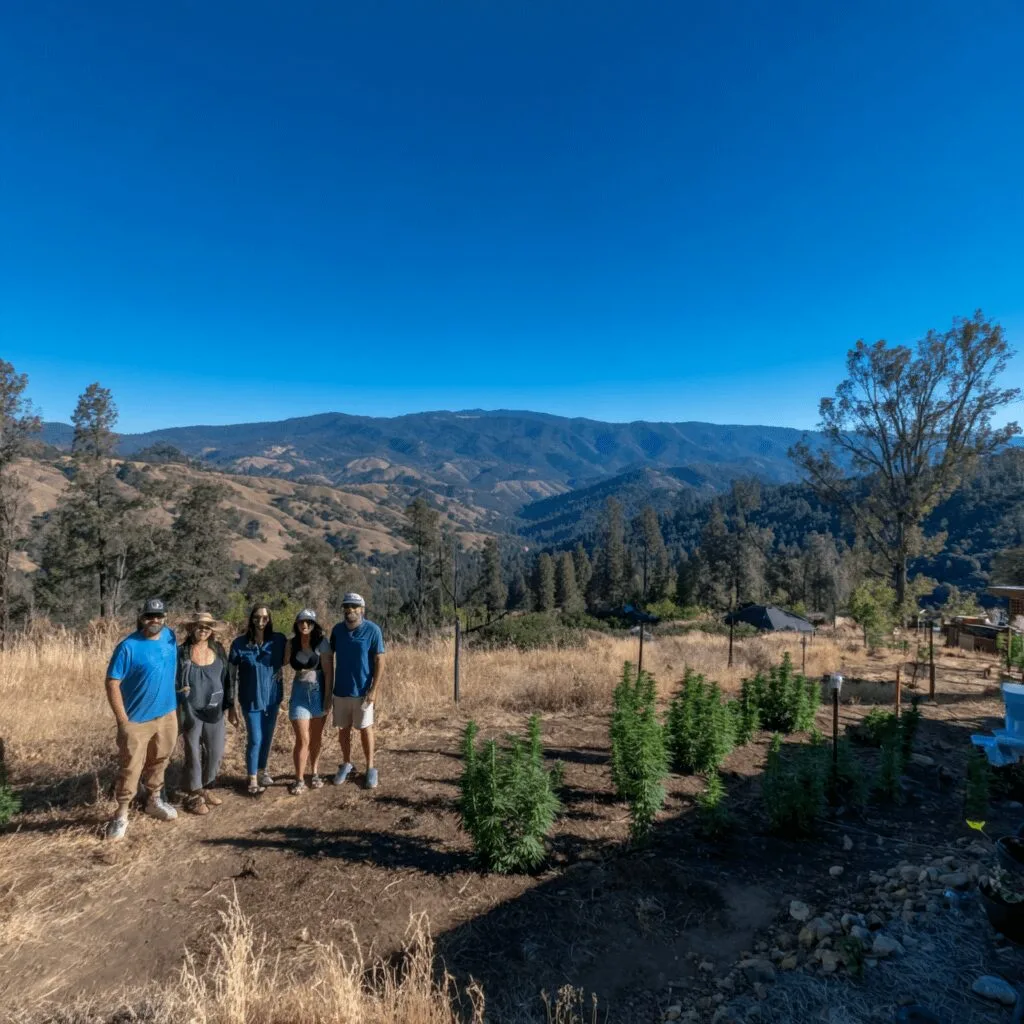
Let’s get into the nuts and buds of it, this year, the Southern Sierra Miwuk Nation successfully regained 900 acres of their ancestral homeland near Yosemite Valley. That’s not just a win on paper, it’s a boots-on-the-ground, tangible return to places their ancestors called home. According to Tribal Business News, the reclamation came after years of negotiations with state authorities, activist efforts, and guidance from legal experts in Indigenous land rights.
This land, once at risk of development or resource extraction, is now being shaped into a model for holistic restoration, including responsible cannabis cultivation woven into native agriculture. Southern Sierra Miwuk leaders are forging partnerships to steward the land, support cultural traditions, and create sustainable economic opportunities. These collaborative moves feature aspects of community protection similar to stories unfolding elsewhere, as concerns about the safety and well-being of vulnerable residents arise, like those detailed in the Morrisania Tenant Heating Crisis. Local ordinances and regulatory hoops are still there, but tribal governance allows for more tailored, community-first land use policies. Many in the tribe see cannabis as another native crop—one capable of nourishing social initiatives and funding ecological restoration. As reported by Tribal Business News, the day these 900 acres were officially returned became a powerful symbol for both the Southern Sierra Miwuk land restoration movement and the possibilities ahead for tribal cannabis.
Expert Insights: Cannabis, Culture, and the Power of Place
There’s something poetic about growing cannabis on land once lost to colonization, especially when that cultivation bankrolls cultural revival. Tribal-run cannabis operations are proving to be economic lifelines, particularly in cases where policy changes impact how communities manage medicinal products and prevent unintended exposures—an urgent issue given current events like the concerning rise of dangerous edibles among family snacks, as discussed in this exploration of hidden risks in children’s cannabis edibles. As Marijuana Moment puts it, “Cannabis regulatory policy only succeeds when it honors roots, both agricultural and cultural.”
With the Southern Sierra Miwuk land restoration, we’re seeing a living example: land once scarred by extractive policies now supports both tradition and green industry. Legal structures let tribes bypass some hurdles, meaning every cultivated plant carries more than commerce; it’s a living act of resistance and renewal. Expert Pete Williams, director of tribal cannabis consulting at Cannabis Law Report, nails it: “When Indigenous communities take control, the benefits ripple outward, from economic health to ecological healing. These aren’t just operations; they’re statements.”
This perspective is bolstered by growing data from NORML and leading regional analysts: tribal cannabis brings jobs while anchoring youth programs, medicinal projects, and eco-restoration. Add to that a cultural continuity much of the mainstream industry craves, and you get a deep, contagious sense of pride and purpose—and an authentic model for responsible cultivation.
Future Outlook: Hope, Growth, and the Road Ahead
The Southern Sierra Miwuk land restoration is more than just a headline—it’s a proof of concept for what’s possible when sovereignty, sustainability, and stewardship intersect. As the cannabis industry matures, expect tribal models—like this—to influence mainstream best practices and policy reform. According to Leafly, tribal cannabis operations are rapidly gaining national recognition for their innovative, community-centric approaches.
With hands back in the soil, the Southern Sierra Miwuk Nation is cultivating a future where land justice, cultural renewal, and cannabis prosperity aren’t competing goals—they’re mutually reinforcing. The Southern Sierra Miwuk land restoration stands as a beacon for the next era of cannabis growth, inviting the industry—and society at large—to reckon with history by planting new seeds for tomorrow.
Originally reported by: tribalbusinessnews.com