





Morrisania tenant heating crisis: Bronx tenants demand warmth
If you’re tuned into community issues, the Morrisania tenant heating crisis is impossible to ignore. In 2024, Bronx renters are still fighting for something as basic as heat. As city temperatures drop and social disruption spikes, this story hits home for tenants, advocates, and anyone following New York’s evolving housing laws. Beyond warmth, this crisis shines a light on regulatory gaps, economic strain, and the underground role of cannabis in managing stress and discomfort. Let’s break down what’s happening, why it matters, and how it connects to larger industry and policy movements.
Insider Context: Regulatory Roadblocks, Citywide Strain, and Social Impact
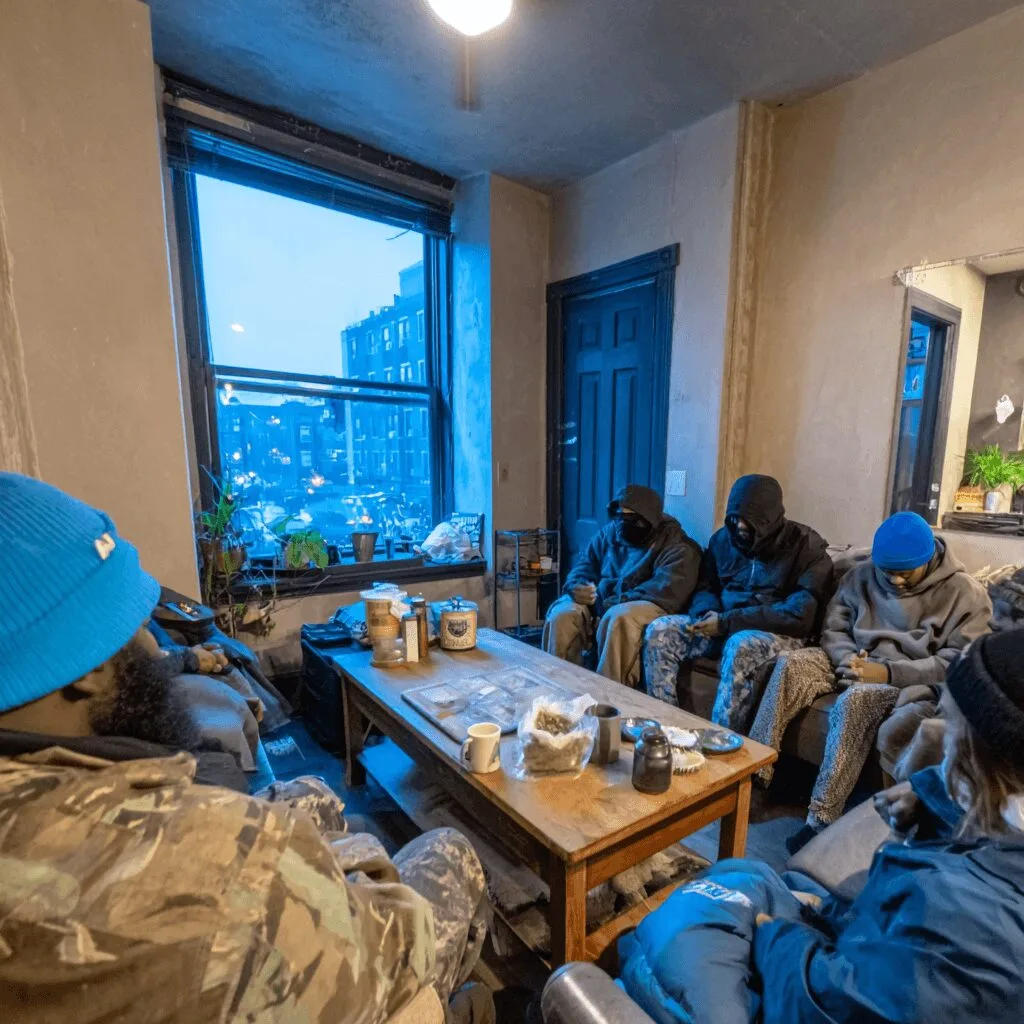
New York’s housing struggles are legendary, but the Morrisania tenant heating crisis highlights just how raw things remain below the surface. Years after celebrated reforms like the Rent Stabilization Law, the city’s enforcement of living standards is wildly uneven. According to NYC Housing Preservation & Development, landlords are legally required to provide heat when the outside temperature drops below 55°F between October 1 and May 31. Even so, poorer Bronx neighborhoods—especially Morrisania—are routinely hit hardest by neglect. The pandemic further exposed cracks, relief funds were slow, and both tenants and landlords faced mounting debts. The cannabis community hasn’t been silent in this mix, and the issue of cannabis-fueled events highlights why understanding safe, legal community gatherings matters when organizing tenant support actions. So when you hear about tenants crowding into cold living rooms to stay warm, you’re witnessing a symptom of deeper regulatory and social challenges.
Inside the Morrisania Tenant Heating Crisis: What’s Really Going Down
According to a recent report by News12 Bronx, the latest showdown began back in October when numerous Morrisania tenants lost heat and hot water. Some residents, including families with young children and seniors, reported conditions so cold they could see their breath indoors. Frustrated tenants have repeatedly contacted their property managers and the Housing Preservation and Development department, but solutions haven’t materialized. Several buildings—owned or managed by notorious local landlord entities, as neighborhood advocates point out—remain below legal minimum temperatures. According to the official NYC complaint tracker, the number of unresolved heating complaints in Morrisania jumped over 40% this winter. Unique pressures of the Morrisania tenant heating crisis mirror moments when police actions disrupt local cannabis businesses, such as a warehouse bust in Morris Park. Tenants don’t just want warmth, they’re demanding transparency, accountability, and sanitation. Many use cannabis (legally for medical patients, or recreationally for relaxation) to cope with anxiety and discomfort, a detail even noted in firsthand accounts and community forums. As legal proceedings loom and media scrutiny grows, the Bronx heating crisis has become a flashpoint for citywide housing justice conversations.
Expert Insights: Cannabis, Tenant Advocacy, and Why This Matters
The Morrisania tenant heating crisis isn’t just local news, it’s a window into how overlooked communities persevere. From a pro-cannabis advocate’s angle, this is a classic example of the plant’s real, everyday value. Cannabis isn’t just for chilling on rooftops, it’s a tool for managing anxiety, insomnia, and physical discomfort when systems fail people. As longtime advocate Jason Ortiz, President of the Minority Cannabis Business Association, told Marijuana Moment, “Cannabis can help people cope with constant stress, but we shouldn’t need weed to tolerate landlord neglect. The answer is legal and social accountability.” Whether you’re huddling around a space heater or passing a joint while venting about the landlord, it’s clear: cannabis has become part of the Bronx’s grassroots toolkit. The NY Cannabis Board has acknowledged the plant’s role in both wellness and economic stability for marginalized groups (NYCannabis.gov). The intersection of criminal justice and tenant survival recalls stories of grand jury indictments that shake communities—showing how crises compound in overlooked neighborhoods. The crisis here brings attention to how cannabis normalization parallels broader social justice battles, especially when wrap-around services are missing.
Looking Forward: Hope, Reform, and the Power of Community
Even as the Morrisania tenant heating crisis rages on this winter, the story is far from hopeless. Tenant unions are stronger, legal aid is better resourced, and New York’s regulated cannabis marketplace shows how policy change can deliver real relief when executed with equity in mind. The new era of cannabis acceptance—rooted in harm reduction and community support—mirrors the kind of reforms Morrisania’s tenants are demanding in housing. As policymakers debate investments and legal protections, expect to see residents, activists, and cannabis advocates working together, fighting for safe homes and fair treatment. There’s a tough road ahead, but if the last few years proved anything, it’s that tenacity and unity—plus a little help from the plant—can spark meaningful change. Here’s hoping this crisis brings both warmth and real policy fire in the Bronx and beyond.
Originally reported by: bronx.news12.com


1 Comment
Pingback: Eastpointe medical marijuana: What’s Changing in Your Community?