





Grand Jury Drug Indictments: Shocking Charges Revealed
Whether you roll your own or just keep an eye on the headlines, it’s hard to ignore how cannabis-related enforcement is shifting lately. With grand jury drug indictments lighting up the news cycle, everyone from consumers to industry pros is asking: What do these charges signal for the future of weed and criminal justice? This week’s story dives deep into recent high-profile indictments, breaking down what it means for everyday folks and the broader world of cannabis law. From legal risks to game-changing reforms, here’s what you need to know right now about grand jury drug indictments and why they matter more than ever.
Background: The Legal and Cultural Landscape of Grand Jury Drug Indictments
For years, the legal system’s approach to cannabis has been a rollercoaster. While some states have made major moves toward legalization, federal law and many local courts still treat cannabis as a serious criminal issue. Grand jury drug indictments, as reported by sources like the National Organization for the Reform of Marijuana Laws (NORML), remain a common way to pursue charges against those accused of trafficking or distributing controlled substances, including cannabis. In cities across the country, police raids and marijuana busts can still stun local communities, drawing attention to the ongoing divide between law enforcement and legalization efforts. The impact of high-profile busts underscores how unresolved tensions play out on the ground.
Why does this matter for the cannabis industry and everyday users? Because the gap between progressive state laws and the slower pace of federal reform keeps the stakes high. According to Leafly, inconsistent enforcement causes confusion and risk, sometimes hitting vulnerable communities the hardest. Despite surging legal sales and shifting attitudes, a grand jury drug indictment can carry frightening consequences, from felony records to heavy fines and lost opportunities.
Recent Grand Jury Drug Indictments: Breaking Down the Charges
According to WKDZ Radio, a grand jury recently handed down multiple indictments involving alleged drug trafficking and wanton endangerment. These charges stemmed from investigations in Todd County, spotlighting individuals accused of distributing cannabis and related substances. A recent feature provided a closer look at real lives impacted by such indictments for drug trafficking, revealing the far-reaching social and legal consequences. The indictments didn’t stop at possession, as they targeted trafficking activities, sometimes bundled with allegations of risk to public safety or children.
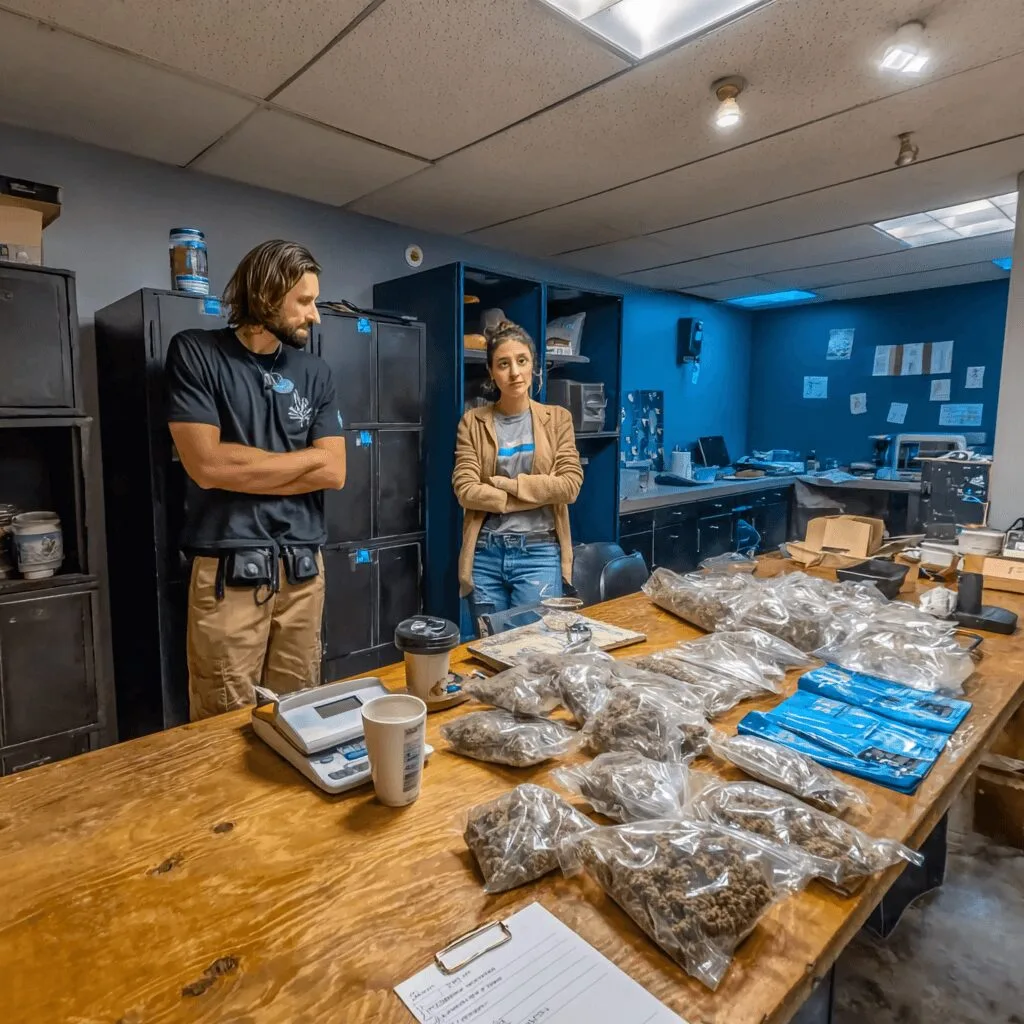
Specific cases included the seizure of large quantities of bud, digital scales, and assorted paraphernalia, all laid out as evidence for the jury. The timing, just before the holiday season, made the news even more impactful. Trusted local reporting confirmed that most defendants now face serious felony charges, potential jail time, and lengthy court battles ahead. According to U.S. Department of Justice releases, this kind of legal action is not unusual in regions where anti-cannabis policies remain the norm.
Expert Analysis: What Grand Jury Drug Indictments Signal, and Why They Matter
So why all the noise about grand jury drug indictments? The truth is, they act as both a legal hammer and a culture-defining wake-up call. When indictments stack up, advocates and entrepreneurs worry about setbacks for legit cannabis businesses, too. Across many states, Texas has recently been in the spotlight as policy shifts drive debate over how these cases are prosecuted.
Industry experts, like Vicente Sederberg LLP’s Brian Vicente, note that “continued reliance on outdated drug statutes puts communities at risk and stifles progress for a modern, safe cannabis marketplace.” (Vicente Sederberg) The fact that grand jury drug indictments are still so common, even in places inching toward legalization, shows how much reform is still needed. According to Marijuana Policy Project, these indictments can have chilling effects, making patients and small businesses nervous to engage with emerging markets.
From a consumer perspective, frequent indictments challenge the normalization of cannabis use and complicate efforts to build equity-centered industry standards. It highlights disparities, while many legally spark up in one state, neighbors elsewhere risk felony charges for almost identical conduct. This ongoing struggle makes it clear that headline stories about individuals charged with marijuana trafficking are more than isolated incidents—they reflect deeper, system-wide barriers to progress.
Bright Spots Ahead: Cannabis, Grand Juries, and a Changing Future
Despite ongoing grand jury drug indictments, hope is riding high for reform. With more states legalizing recreational and medicinal cannabis each year, momentum is building. National advocacy organizations, such as Drug Policy Alliance, point to growing public support and successful reform votes as signs the tide is turning. Lawmakers are increasingly pressured to align outdated criminal statutes with today’s values and science. Looking forward, expect continued debate, passionate advocacy, and—hopefully—fewer grand jury drug indictments targeting cannabis consumers and responsible entrepreneurs. The push for justice and sensible regulation isn’t slowing down, and that’s something we can all get behind.
Originally reported by: wkdzradio.com



1 Comment
Pingback: California cannabis event regulations: What every attendee must know!