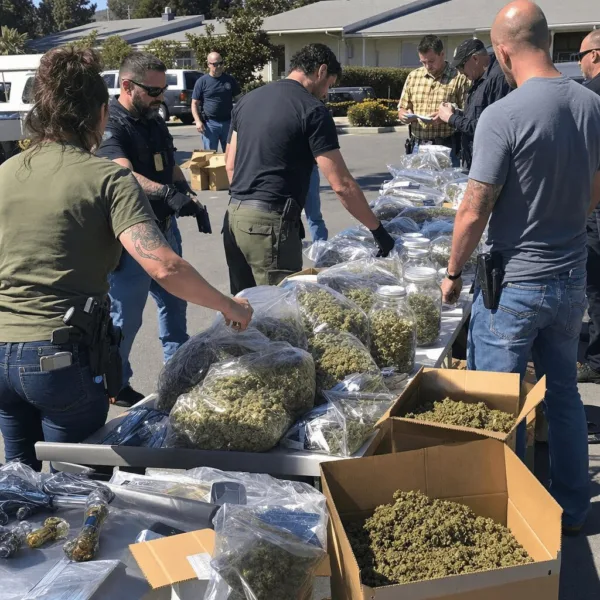




South Fulton marijuana trafficking: Major bust leads to charges
Right now, everyone’s talking about South Fulton marijuana trafficking—and let’s be real, this topic goes way beyond your ordinary news story. With headlines lighting up alongside the ever-changing cannabis market, this incident isn’t just about criminal charges—it’s about shifting legal landscapes, evolving public attitudes, and the power struggles tied to cannabis in Georgia. As the market expands nationwide, stories like this force us to look closer at why some communities still get headlines for busts, while others cash in on legalization. In the following sections, I’ll break down what went down in South Fulton, why it matters to cannabis culture as a whole, and what industry pros really think about this latest development.
Understanding the Legal and Social Backdrop
Let’s get one thing straight, Georgia still holds firm when it comes to marijuana laws. While neighboring regions are cashing in on legalization, the state keeps cannabis under tight wraps, stating it’s criminal to possess, distribute, or traffic marijuana, except for a few low-THC medical exemptions, according to the Atlanta Journal-Constitution. Social attitudes are evolving, especially in urban spots like South Fulton, which have deep roots in conversations about criminal justice reform and fairness in drug enforcement. The local marijuana laws and the continued debate often mirror what we’ve seen with other controversial measures, such as how local bans and dispensary restrictions spark uncertainty as explored in other regions grappling with dispensary bans. The South Fulton marijuana trafficking case hits at the crossroads of lingering stigma, market demand, and a regulatory system that just hasn’t caught up with the times. While cannabis’s legal status softens elsewhere, in Georgia, outdated policies can lead to serious charges for what’s becoming normalized across state lines. That tension sets the scene for everything that happened during this recent high-profile bust.
Major Developments: What Went Down in the South Fulton Marijuana Trafficking Bust
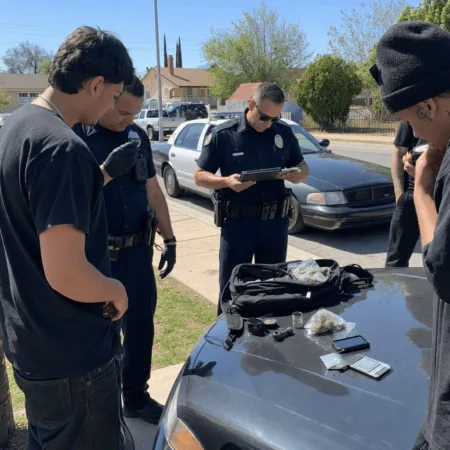
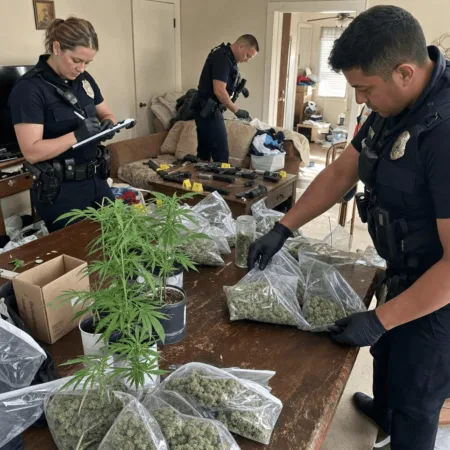
According to WSB-TV Atlanta, the South Fulton marijuana trafficking saga erupted early this June, when local authorities conducted a major sting operation targeting suspected traffickers. Three men, whose identities remain aligned with ongoing legal filings, were apprehended after law enforcement discovered large duffel bags and boxes filled with cannabis buds at a suburban residence in South Fulton. The operation was carried out in broad daylight, and witnesses described an atmosphere filled with tension as plainclothes officers led suspects away from the house. Officers allege that the operation extended beyond personal possession or informal distribution, qualifying the charges squarely as trafficking under Georgia state law. Seized evidence included not just raw cannabis but packaging materials and paraphernalia, all cataloged for the upcoming trial. The dynamics of a marijuana traffic stop seizure in other states have brought national attention to law enforcement tactics, showing Georgia is not alone in its rigorous approach. The South Fulton marijuana trafficking investigation remains an active case with court dates scheduled over the coming months. These developments, as reported by Fox 5 Atlanta and corroborated by legal filings from Fulton County, highlight the ongoing high-stakes enforcement in cannabis-hostile regions, even as markets shift rapidly across the rest of the country.
Expert Analysis: Context, Market Pressures, and the Human Cost
If you’re in the cannabis space or following the headlines, you know the South Fulton marijuana trafficking case isn’t an isolated incident. It’s another chapter in the double standard that arises when regulatory reform moves slower than demand. As Leafly News highlights, states that delay legalization while public support soars often see underground markets expand to fill the gap. That means riskier busts, harsher penalties, and lives upended for what’s legal elsewhere. “Georgia’s marijuana laws remain some of the harshest, putting people in jail for an industry now worth billions,” said Debra Borchardt, co-founder of Green Market Report. “Every major bust like this is a reminder that until laws catch up, enforcement will continue to come down hardest on communities already struggling with systemic inequality.” Similar community impacts have been revealed in high-profile incidents, such as the recent marijuana fire in Inglewood that furthered conversations about health, enforcement, and reform. In industry circles, there’s a consensus: the more newsworthy these busts get, the louder the calls for rational policy reform. But until then, local entrepreneurs and everyday people get caught between market opportunity and outdated law. It’s a precarious cycle, and one that will only break as mainstream acceptance and smarter laws gain traction.
Where Do We Go from Here? A Brighter Future for Cannabis in the South
Looking forward, there’s reason for real optimism—even in the wake of high-profile South Fulton marijuana trafficking cases. National reforms keep gaining ground, with over 20 states having legalized recreational use, and the National Organization for the Reform of Marijuana Laws (NORML) reporting statewide ballot initiatives in progress across the South. In Georgia, local advocacy groups continue to press for common-sense reform, emphasizing the opportunities for job growth and tax revenue that sensible cannabis policy could bring. These recent events put a spotlight on the urgent need for dialogue, and hopefully, lead lawmakers to prioritize fairness and equity over outdated enforcement. For those invested in the future of cannabis—and the countless Georgia residents directly affected—the long-overdue shift feels closer than ever. Until then, the industry will keep pushing for safer policies and broader acceptance. The story of South Fulton marijuana trafficking is a sign of growing pains—but also a promise of where the market, and our social mindset, is inevitably heading.
Originally reported by: wsbtv.com