



Marijuana Traffic Stop Seizure: What Really Happens When CHP Finds Cannabis?
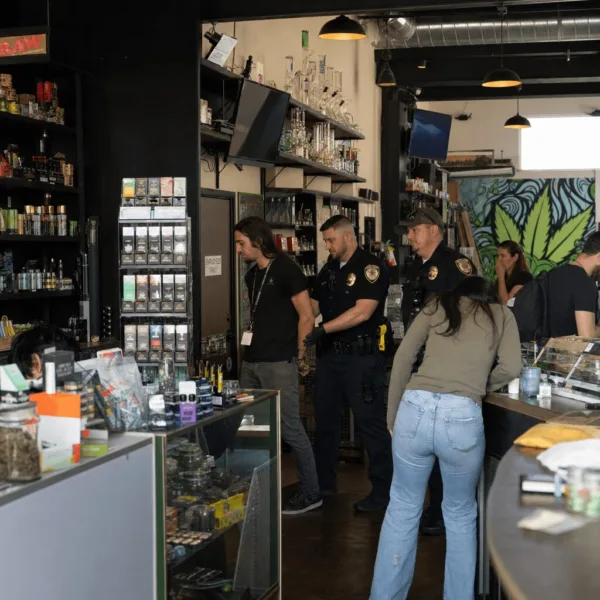
If you drive through California, especially Mendocino County, news about a marijuana traffic stop seizure is probably on your radar. With cannabis still in a legal gray area during transportation—even in states where it’s been legalized—the spotlight is back on roadside law enforcement. Recent reports highlight instances where the California Highway Patrol has seized large amounts of cannabis from routine stops. This topic matters now more than ever as the legal landscape evolves, raising pressing questions about rights, rules, and risks for cannabis professionals and enthusiasts. Buckle up as we break down what’s happening, why it’s going down, and what it means if you’re rolling through weed country with cannabis in your trunk.
The Legal Backdrop: Cannabis Rules on California Roads
It’s no secret, cannabis laws in California are complex and constantly evolving. After the passage of Proposition 64, adult use became legal. Yet, there’s a huge distinction between what’s cool for personal use and what counts as the legal transport or distribution of cannabis. According to regulators and state agencies, it is illegal to carry open containers of cannabis in your vehicle, and any transportation of commercial quantities must be accompanied by valid licensing and manifests. The California Highway Patrol (CHP) has been front and center in enforcing these transport regulations, especially in rural areas like Mendocino and Humboldt, where legacy and legal markets notoriously clash. Meanwhile, NORML highlights that even small missteps can escalate into full-blown felony investigations, especially if officers suspect intent to distribute. These legal waters remain murky, which is why news about a marijuana traffic stop seizure gets the cannabis community talking. For example, recent incidents in other states—such as ongoing Kansas law enforcement crackdowns on THC, which have spurred heated debates on enforcement and legal updates—raise similar questions about how police navigate what’s legal and what’s not.
Straight From the Source, What Really Went Down in Mendocino
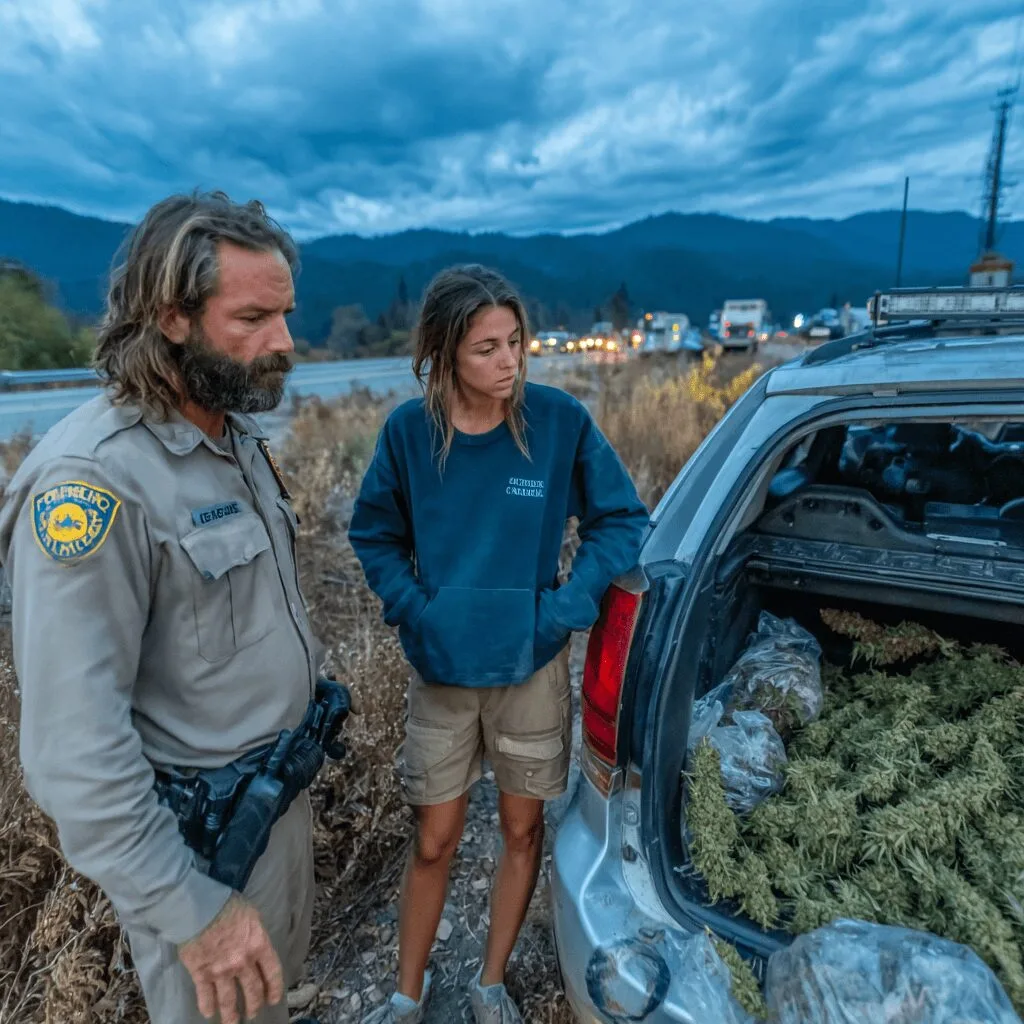
Let’s talk facts. On October 27, 2025, close to Ukiah and Laytonville, the California Highway Patrol (CHP) conducted two high-profile marijuana traffic stop seizures. According to Redheaded Blackbelt (Kym Kemp), officers pulled over a standard sedan and uncovered multiple bags containing approximately 70 pounds of loosely packed cannabis flower. In both incidents, drivers could not provide valid state-issued transport manifests or proof of compliance with state regulations. Per the report, the officers meticulously photographed and logged every bag before confiscation.
- Two vehicles targeted (Ukiah and Laytonville areas)
- Roughly 70 pounds of cannabis reported seized
- Drivers cited for improper documentation and suspected intent to distribute
- All actions initiated due to observed vehicle infractions, erratic driving
The CHP reiterated that while possession for personal use remains protected under state law, bulk transportation requires strict adherence to public safety regulations and licensing. Criminal charges were pending review at the time of reporting, spotlighting the fine line between legal compliance and inadvertent lawbreaking, even for otherwise law-abiding cannabis workers and enthusiasts. For many, these seizures evoke concern much like what was seen during the recent blaze in Inglewood, which revealed ongoing cannabis crises and their impact on local communities. This incident has since triggered renewed calls for regulatory clarity across industry channels.
Expert Analysis, What This Means for the Cannabis Community
The cannabis industry is no stranger to regulatory speed bumps. As Leafly notes, transportation remains one of the riskiest aspects of the cannabis supply chain in California. Until federal law catches up, even the most dialed-in operators can run afoul of state rules. According to Gina Martinelli, founder of a respected supply chain consultancy, “Those working in legal cannabis need to double-check manifests and maintain meticulous records, any gaps can trigger a marijuana traffic stop seizure that jeopardizes years of hard work.”
Industry insiders like MJBizDaily often emphasize this point, explaining that regulators are under immense pressure to stem the tide of illicit grows and unlicensed distribution. That said, the social stigma attached to such seizures often outpaces the facts, painting cannabis operators as outlaws even when errors are merely technical. Many experts believe this will shift as regulations clarify and law enforcement receives more training on legal cannabis transport. Similar regulatory shifts, such as how British Columbia’s cannabis sector recently rebounded after labor disruptions, have helped spark fresh momentum in cannabis retail elsewhere.
What’s Next? Clarity, Reform, and the Road Ahead for Cannabis Transport
Despite the harsh spotlight cast by high-profile marijuana traffic stop seizure incidents, there’s room for optimism. State regulators have acknowledged industry concerns and are moving toward streamlined transport rules—aimed at reducing confusion and unnecessary law enforcement actions. As public sentiment continues to favor reform (with more than 65% of Californians supporting legalization by Pew Research), industry advocates predict continued progress. The path ahead may be bumpy, but California’s cannabis sector thrives on resilience and adaptation. When every player in the supply chain is treated fairly and laws align with common sense, the specter of the next marijuana traffic stop seizure may finally fade into the rearview mirror.
Originally reported by: kymkemp.com

1 Comment
Pingback: Niles Township marijuana dispensary ban: What’s at stake?