



Marijuana Fire Inglewood: Shocking Bags Pulled from Blaze
Right now, the marijuana fire Inglewood is making headlines for all the wild and sobering reasons you’d expect. As the legal cannabis market grapples with intense regulations and gray-market drama, this recent fire ripped through a building in Inglewood, unexpectedly spotlighting the hidden dynamics of LA’s cannabis sector. Cannabis, once in the shadows, is now front and center—sometimes literally up in smoke. We’ll break down what happened, why it matters for consumers and sellers alike, and how this moment fits within the industry’s rollercoaster ride. Let’s get into the flames, the context, and why the phrase “marijuana fire Inglewood” has everyone talking.
Regulatory, Social, and Legal Forces Shaping the Marijuana Fire Inglewood
The cannabis scene in California is one of the most closely monitored experiments in the country. Since Proposition 64 went live in 2016, the state’s regulatory framework strives to balance social equity, tax revenue, and safety. But the unfolding reality in cities like Inglewood often reveals the complex aftermath of legal mismatches and market fragmentation. What’s happening here resonates with challenges faced elsewhere—like when local governments pursue cannabis reform, a process exemplified by tribal cannabis commissions making bold moves for sovereignty and change. Unlicensed operators, steep taxes, and rigid zoning have fostered a resilient underground market despite legalization, an issue thoroughly explored by Leafly. Inglewood sits at the heart of this debate, where legitimate dispensaries operate alongside illicit grows hidden in industrial buildings. The marijuana fire Inglewood highlights the tension between evolving laws, enforcement, and the normalization of cannabis. Such incidents compel consumers, companies, and policymakers to address the realities and challenges of California’s cannabis system.
Key Details of the Marijuana Fire Inglewood Incident
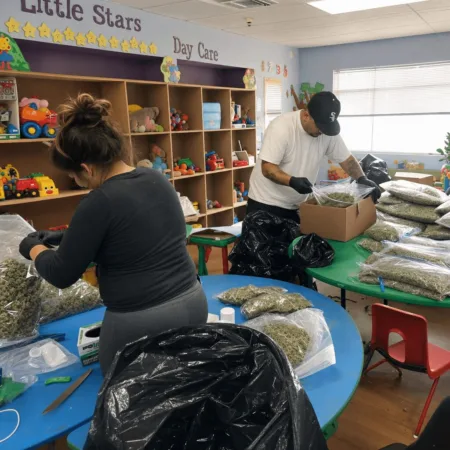
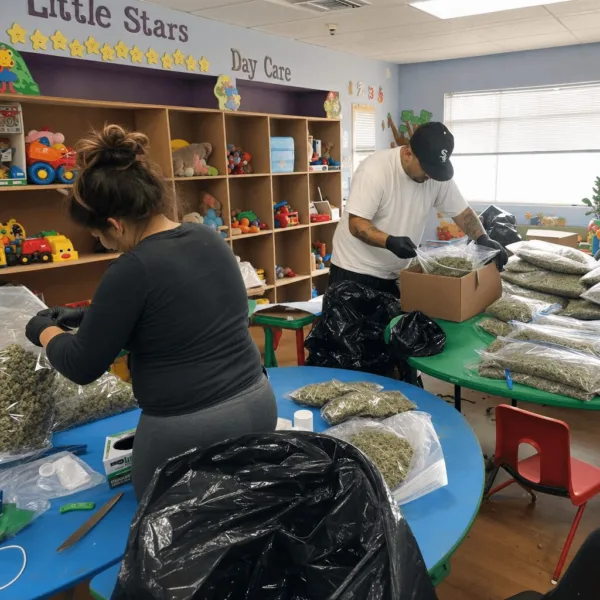
Here’s what happened: On June 3, 2024, a significant fire broke out in a commercial building in Inglewood. Firefighters responded to dense clouds of smoke and quickly discovered bags packed with cannabis plants and processed marijuana. As reported by Daily Dispatch, officials labored for hours to extinguish the flames, while responders pulled out partially burned bags filled with green buds. The building owner’s identity is still confidential, but Los Angeles County Fire Department information confirmed that the product was unlicensed and that hazardous grow materials were on site. No major injuries were reported, but the fire led to renewed calls for oversight of marijuana storage facilities. The marijuana fire Inglewood reflects the persistence and risks of the black market in California’s changing cannabis landscape, an issue not unlike themes raised in stories covering cannabis farm raids that highlight human stories behind regulatory crackdowns (Los Angeles Times).
Pro Perspectives: What the Marijuana Fire Inglewood Teaches the Industry
You don’t need to be deeply embedded in the scene to see that this incident influences much more than just headlines. The marijuana fire Inglewood shines a light on a pivotal issue: legalization at the state level hasn’t eliminated the underground market. In fact, heavy taxes and patchwork enforcement keep these underground operators in business, often leaving legal businesses at a disadvantage. Steve DeAngelo, co-founder of Harborside and author of Harborside’s Story, notes, “When taxes outpace market demand and cities over-regulate, you drive even passionate advocates back to illegal supply chains.” Improving fire safety means more than just putting out blazes—it also calls for licensing reform, better supply tracking, and supporting those willing to operate legally. Multiple reports, including research from the Cannabis Policy Project, show that integrating unlicensed grows into regulated channels can improve public safety and reduce accidents. If we consider the broader context—like how teens are affected by shifting cannabis expectations, as explored in youth-focused studies on cannabis and alcohol perceptions—it’s clear that the marijuana fire Inglewood illustrates not only the risks, but also the opportunities for progress in responsible cannabis policy and community involvement.
The Future Beyond the Marijuana Fire Inglewood
So what’s next? Despite setbacks like the marijuana fire Inglewood, the California cannabis market isn’t cooling off. Social attitudes are shifting—more voters support legal access, while local officials recognize that ironclad prohibition simply doesn’t work. Progressive regulation, expanded social equity programs, and smarter enforcement strategies will keep shaping this industry’s trajectory, as covered extensively by Marijuana Moment. Fires like this may ignite headlines, but they also spark overdue discussions about safety, responsibility, and opportunity. Let’s treat this incident as another turning point on the road to a more open, professional, and ultimately safer cannabis culture in Inglewood and beyond.
Originally reported by: dailydispatch.com