





Cannabis control board regulation: What PA’s new bill means
If you’ve paid attention to Pennsylvania’s hemp and cannabis scene lately, you know change is in the air. New shifts in the state’s cannabis control board regulation are making waves across industry insiders, patients, and advocates. With unregulated hemp products raising eyebrows and lawmakers preparing a fresh bill, there’s a lot at stake. In today’s wild west of cannabis, understanding these evolving rules isn’t just for capitalists and lawyers—it’s critical for everyone who loves quality, safety, and common sense in the Pennsylvania cannabis community. This piece dives deep into what the latest cannabis control board regulation proposal could really mean for growers, buyers, and the future of regulated cannabis in PA.
The Landscape Behind Pennsylvania’s Cannabis Control Board Regulation
Pennsylvania’s cannabis industry is a reflection of the larger U.S. market, invigorated by opportunity but restricted by evolving, sometimes confusing regulation. As referenced by NORML, the journey from prohibition to nuanced oversight has been significant. The 2018 Farm Bill (see here) paved the way for legal hemp cultivation across the country, but failed to resolve persistent gray areas surrounding synthesized THC and unregulated products. Within Pennsylvania, the state Department of Agriculture has allowed the hemp program to expand, while medical cannabis remains strictly limited for qualifying patients (source: Pennsylvania Department of Health). Yet, the sharp rise of unregulated hemp-derived THC products has exposed oversight gaps, prompting urgent calls for more comprehensive cannabis control board regulation. Local officials, shop owners, advocates, and law enforcement all feel the strain of defining reasonable, enforceable boundaries. Against this backdrop, the ongoing legislative push in Harrisburg has gained traction as part of a national conversation on tightening oversight, similar to recent changes in states like Illinois and even local decisions such as when communities debate dispensary bans. The tension around where and how dispensaries can operate echoes issues seen in communities weighing marijuana dispensary bans, highlighting the importance of thoughtful, clear regulation on both municipal and state levels.
Bill Details: New Moves in Cannabis Control Board Regulation
Let’s get to the heart of the matter: here’s what’s happening now. As outlined in local news coverage, Pennsylvania lawmakers are considering a bill that would establish a Cannabis Control Board responsible for setting and enforcing standards around hemp-derived products, and possibly taking on broader cannabis regulatory duties in the future. Key features include:
- Creation of a Pennsylvania Cannabis Control Board: This entity would license producers, manage inspections, ensure compliance, and oversee product testing for cannabinoids such as delta-8 and delta-9 THC.
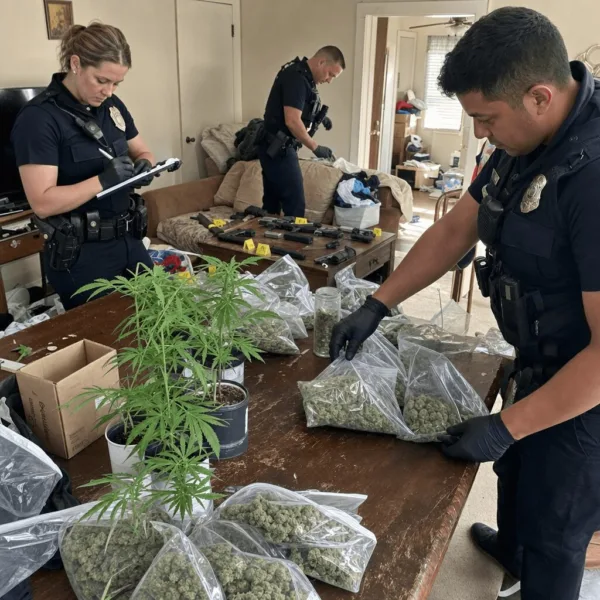
- Clear Definitions for Hemp and Cannabis: New rules seek to end confusion, sharply distinguishing between what counts as legal hemp versus prohibited cannabis, closing loopholes that have enabled “gray-market” products and retailers to flourish unchecked—issues mirrored in stories like recent marijuana trafficking investigations.
- Testing and Labeling Requirements: Stricter testing, labeling, and transparency will become the new standard, helping to protect consumers and ensure products match their advertised content.
- Timeline for Implementation: While initial stages focus on the hemp sector, conversations continue about expanding cannabis control board regulation to include medical and adult-use segments down the line, per ongoing legislative debates reported by TribLIVE.
Spiraling sales of novel, sometimes questionable THC derivatives at local retailers have kept quality and safety in the spotlight, just as similar debates have played out in other states adjusting to sudden surges in demand, like the spike of THC-infused drink sales in Ohio. Pennsylvania’s proposed cannabis control board regulation seeks to create order, safeguard consumers, support legitimate business owners, and bring oversight to this fast-evolving sector.
Expert Analysis: Why This Cannabis Control Board Regulation Matters
This push for reform is about more than procedure—it’s about setting the course for public safety, industry trust, and sustainable market growth. As emphasized by Marijuana Moment, robust, transparent oversight is crucial for transforming state cannabis markets from lawless gray zones into safe, vibrant industries. “States that implement rational cannabis control board regulation see improved public safety, greater transparency for consumers, and a boost for trustworthy local growers,” states Dr. Sue Sisley, a respected cannabis researcher and advocate (Leafly interview). Evidence from leading states like Colorado and Illinois demonstrates that effective, centralized cannabis control helps phase out piecemeal enforcement, making way for stronger, more inclusive policy (Illinois Policy Institute). For Pennsylvania, clear rules could mean better safety standards and open new opportunities for small operators willing to play by the book. Consumer safety, business clarity, and community impact are frequent themes in legislative debates nationwide as enforcement priorities and market realities shift. For example, in places like Kansas, shifts in THC enforcement policy have ignited similar discussions about balancing community well-being and business innovation, as seen in recent debates on THC enforcement. A well-designed cannabis control board regulation in Pennsylvania would help ensure that responsible operators aren’t punished for the mistakes of a few, setting a model for other states grappling with fast-changing cannabis laws.
The Road Ahead: Growth, Opportunity, and Smarter Cannabis Control Board Regulation
With so many eyes on the cannabis control board regulation bill, there’s no question we’re in for a ride. Industry analysts from MJBizDaily predict markets with balanced oversight tend to grow faster and attract honest investors, not just opportunists. For Pennsylvania, this is an opportunity to set standards that work for everyone—consumers, medical patients, honest business owners, and communities seeking new economic growth. As public acceptance continues ticking up (with recent Pew Research showing overwhelming support for regulated cannabis), keeping the focus on fairness makes sense. Bottom line? Strong, sensible cannabis control board regulation could move the industry out of the shadows and into a new era of trust, transparency, and opportunity. That’s something worth rolling up for PA’s future.
Originally reported by: yourerie.com


1 Comment
Pingback: Don't Miss the Westchester Baby Expo: Everything Parents Need