




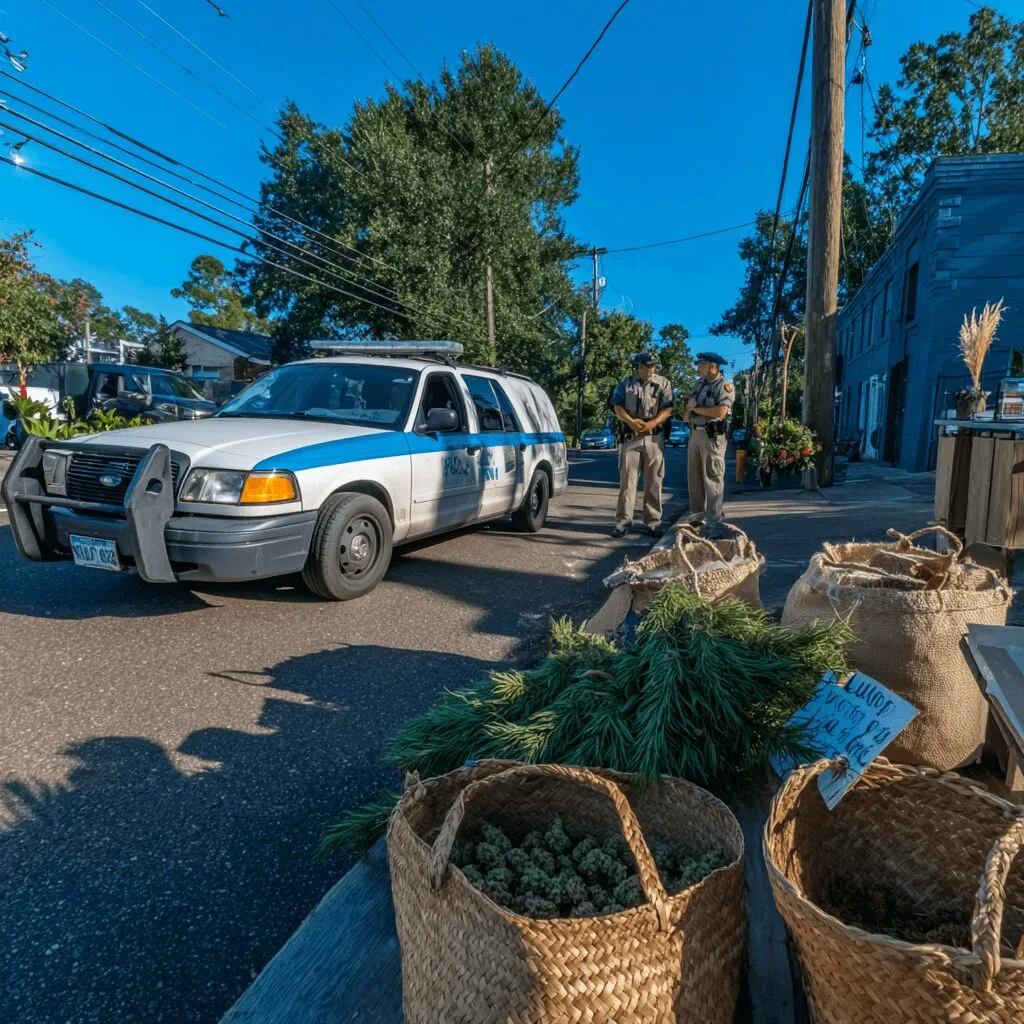
South Carolina marijuana sentencing: Real punishments revealed
The conversation around South Carolina marijuana sentencing is heating up in 2024. While some states are rolling out the green carpet for legal weed, South Carolina is holding a hard line—and it matters more than ever. Recent headlines and courtroom decisions are shining a light on real-life consequences for those caught with cannabis in the Palmetto State. Whether you’re a longtime advocate, an industry veteran, or just canna-curious, understanding what’s changing (and what’s not) is crucial. This article dives deep into the actual penalties, key legal events, and what’s driving South Carolina marijuana sentencing news today.
The Legal Landscape: Understanding South Carolina Marijuana Sentencing
If you think South Carolina is about to join the green rush, think again. The state’s cannabis stance remains among the most prohibitive in the nation. Despite a growing hemp industry, marijuana is still firmly illegal for both medical and recreational use. The South Carolina Code of Laws outlines strict penalties for possession, cultivation, and distribution. Even as public opinion in the South shifts, lawmakers continue to resist reform. The local hemp industry, though facing major obstacles, demonstrates how producers are fighting back and growing stronger despite tough legal barriers. Grassroots pressure and national legalization trends influence the local debate, but as Marijuana Moment regularly reports, legislative proposals for medical marijuana or decriminalization face uphill battles. Law enforcement agencies, backed by certain political leaders, often cite federal restrictions and a firm belief in deterrence. Meanwhile, thousands face the consequences each year under existing sentencing guidelines. In this environment, stories of harsh South Carolina marijuana sentencing highlight not just the letter of the law, but also ongoing tensions between tradition and change.
Recent News: Unpacking Key South Carolina Marijuana Sentencing Developments
In a headline-making case that’s grabbing national attention, a South Carolina man was handed a 15-year prison sentence after being apprehended with 113 pounds of marijuana in Van Buren, Arkansas. According to a timely report by KNWA & FOX24, the traffic stop escalated into a full-on pursuit before authorities uncovered the massive stash. The case offers a sobering look at current South Carolina marijuana sentencing realities for transportation across state lines. Other cases, such as those involving charges connected to weapons and cannabis offenses, have also sparked debate and controversy, as seen in other recent shocking sentencings. Under South Carolina law, possession of any amount with intent to distribute can carry major felony charges, especially when large quantities suggest trafficking. The defendant was ultimately convicted on multiple felony counts, including evasion and possession with intent, demonstrating the severity of penalties that remain standard in 2024. This case is far from isolated; state and regional law enforcement have heightened patrols and interagency efforts in recent years, leading to several high-profile busts and sentencings. Legal records confirm that, as of mid-2024, there have been no substantive moves toward lighter penalties or retroactive relief, a stark contrast with many neighboring states. These stories show how South Carolina marijuana sentencing continues to hold firm even as the national cannabis market booms and conversations around legalization grow ever more mainstream.
Cannabis Experts Weigh In: South Carolina Marijuana Sentencing in Perspective
So, what does this all mean for everyday people and industry watchers? The persistence of harsh South Carolina marijuana sentencing is a lightning rod issue. Industry experts at Leafly argue that such sentencing fails to reflect modern science or evolving public sentiment. Quoting long-time policy analyst and reform advocate Paul Armentano, Deputy Director of NORML, “When you hand someone over a decade in prison for a non-violent marijuana offense, you’re ignoring the clear trajectory of national cannabis acceptance” (NORML). He adds, “These outdated laws create unnecessary harm without measurable benefit to public safety.” Major incidents in correctional facilities have further intensified the conversation around effective reform and drug-related enforcement, as recent cases inside South Carolina jails reveal. The South Carolina approach stands in stark contrast to states like Virginia and Illinois, where recent reforms have prioritized civil fines, expungement, and a robust legal marketplace. Industry reports from Marijuana Policy Project and Cannabis Business Times confirm that South Carolina is an outlier, clinging to punitive sentencing in a sea of changing policies. The double-edged sword: while the legal risks remain real and severe, the resulting discussions have energized advocates, legal experts, and everyday residents to push more urgently for common-sense reform. Legal defense professionals in the state stress, too, that awareness and legal literacy are absolutely essential as law enforcement continues to patrol with zero-tolerance enforcement in mind.
The Road Ahead: Reform, Advocacy, and a Changing South Carolina
While South Carolina marijuana sentencing continues to make headlines for all the wrong reasons, there is undeniable momentum for change. National legalization efforts, celebrity advocacy, and mounting scientific research have sparked a renewed push for reform in conservative strongholds. States like South Carolina are being forced to reckon with the social and economic costs of harsh sentencing policies—this is creating space for new conversations, even in unlikely places. According to current analysis from Brookings Institution, states with progressive cannabis laws have seen major gains in job growth, tax revenue, and criminal justice efficiency. While South Carolina marijuana sentencing remains stuck in the past, there’s every reason to believe that louder voices and stronger grassroots campaigns will lead to a brighter, fairer future. As more residents and policymakers look to neighboring states and federal signals for what’s coming next, optimism is growing that a shift—however slow—might finally be on the horizon.
Originally reported by: nwahomepage.com