SLED enforcement THC products: What shops need to know now
The world of cannabis retail is shifting fast, especially with SLED enforcement THC products making headlines. As enforcement ramps up, shop owners and cannabis advocates alike are navigating new legal terrain with serious implications for businesses and consumers. With increased scrutiny from South Carolina’s State Law Enforcement Division (SLED), understanding these changes is vital for staying compliant, protecting your business, and supporting a thriving cannabis community. Here’s what’s driving the spotlight on SLED enforcement THC products right now—and how it’s impacting shops across the state.
The Regulatory Backdrop: How Did We Get Here?
The conversation around SLED enforcement THC products starts with South Carolina’s evolving cannabis policy. Despite an ongoing federal hemp legalization under the 2018 Farm Bill (source: U.S. Congress), the Palmetto State has drawn a hard line on THC. SLED interprets state law as strictly prohibiting any product with psychoactive forms of THC, regardless of hemp’s federal status. Meanwhile, the South Carolina General Assembly continues to debate medical cannabis bills, but recreational use remains illegal and tightly policed. These state-level restrictions echo stricter local trends nationwide, with similar confusion arising from changing hemp laws in other states—for example, the recent regulatory changes affecting Ohio liquor stores. Retailers are left balancing demand for legal cannabinoid products, like Delta-8 and Delta-9 THC derived from hemp, with a patchwork of guidance and sporadic local enforcement. This regulatory whiplash has contributed to confusion and uncertainty on the front lines of cannabis commerce, as seen in recent enforcement surges covered by major news outlets like AP News.
Key Developments: What’s Happening With SLED Enforcement THC Products?
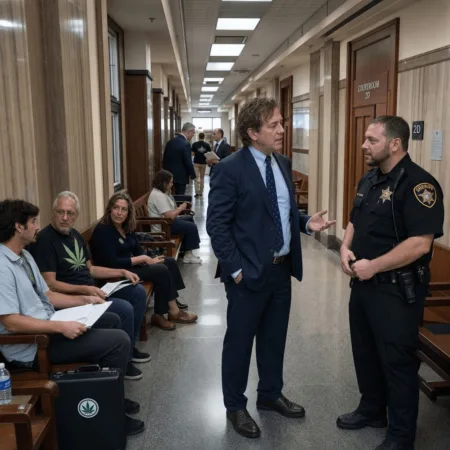
The latest enforcement push by SLED took center stage following public comments from Chief Mark Keel, who appeared on Fox Carolina (March 19, 2026 broadcast). Keel vigorously defended SLED’s crackdown, stating that shops selling any intoxicating THC products, even those labeled as hemp-derived, are risking seizure, fines, and potential criminal charges. These crackdowns have hit small, independent CBD and vape retailers hardest, with some shops reportedly facing product confiscations and legal threats. According to South Carolina Department of Agriculture regulations, only very low-THC hemp products are explicitly allowed, and anything resembling recreational THC is likely under scrutiny. Such targeted raids are reminiscent of law enforcement’s response to synthetic marijuana incidents in nearby regions, like the notable Madison case that sparked local debate. This strict enforcement has sparked debate among retailers, customers, and advocacy groups, as local shops fear both revenue loss and community backlash.
Expert Analysis & Industry Insights: Reading Between the Lines
The SLED enforcement THC products controversy is sending shockwaves through South Carolina’s cannabis industry. Many advocates argue the enforcement is overly broad and risks criminalizing legitimate business activity. According to NORML legal advisors, “South Carolina’s aggressive approach could stifle entrepreneurial growth in a market that’s proved both popular and profitable in neighboring states.” Joshua Kappel, co-founder of Vicente LLP, told Marijuana Moment: “The gray area between hemp and marijuana products isn’t going away, it’s up to lawmakers and regulators to create clear, science-based boundaries.” In states like Michigan, changing tax rules and enforcement strategies have directly impacted cannabis operations, providing a cautionary parallel for South Carolina as seen with the recent wholesale tax challenges for Michigan businesses. Retailers are now investing in rigorous lab testing, product labeling, and legal consultations to keep up. At the same time, the consumer demand for alternative cannabinoids like Delta-8 (often still legal elsewhere) demonstrates ongoing gaps between law and market reality (Leafly guide).
The Road Ahead: What’s Next for SLED Enforcement THC Products?
Despite regulatory uncertainty, the outlook for cannabis shops—and the broader industry—is surprisingly resilient. Many retailers see this as yet another chapter in the ongoing push for regulatory sanity, hoping that reasoned reforms and science-based standards will soon bring clarity. National groups and local advocates continue to push for updated laws reflecting both economic trends and public health evidence. As the cannabis industry matures, SLED enforcement THC products serve as a reminder: staying informed and engaged is every shop’s best defense. For those committed to doing things right, there’s real optimism that change is coming. As Benzinga’s cannabis industry analysts recently reported, “Adaptability and grassroots community support are what will ultimately secure a thriving future for legal cannabis businesses—even in challenging regulatory climates.”
Stay tuned, stay educated, and keep fighting the good fight: the next era of cannabis isn’t just coming—it’s already here.
Originally reported by: foxcarolina.com