Madison woman synthetic marijuana arrest shocks locals
With the cannabis landscape evolving faster than you can light up a joint, the news of a Madison woman synthetic marijuana arrest lands right in the middle of crucial conversations surrounding legalization, synthetic alternatives, and policing priorities. This hot-button incident doesn’t just ruffle feathers among locals—it highlights complex issues of legality, product safety, and social stigma that every cannabis advocate should care about. Let’s unpack what went down, why it matters beyond the front page, and what it means for the future of the cannabis industry in Wisconsin and beyond.
The Regulatory Tightrope: Legal, Social, and Market Context
The Madison woman synthetic marijuana arrest can’t be separated from the broader context: While natural cannabis legalization inches forward in many states, synthetic cannabinoids remain in a far more controversial gray zone. According to the Drug Enforcement Administration (DEA), synthetic marijuana, also known as K2 or Spice, has triggered health concerns and unpredictable legal reactions nationwide. In Wisconsin, legislative efforts to define, schedule, and penalize synthetic cannabinoids are ongoing, making for a patchwork of rules that both law enforcement and consumers struggle to keep up with. Meanwhile, public opinion shifts toward acceptance of natural cannabis, but synthetic analogues often get lumped in with riskier street drugs. Market trends also blur the lines: As reported by Marijuana Moment, consumer demand for legal products continues to rise, outpacing clear regulatory guidance on hemp derivatives and lab-concocted THC analogs. This fragmented legal landscape is mirrored in states like Michigan, where issues around marijuana sales tax fluctuations complicate both market stability and consumer access. All of this turns minor busts, like this one, into lightning rods for advocacy, outrage, or serious debate.
Key Developments & Local Impact: The Madison Woman Synthetic Marijuana Arrest
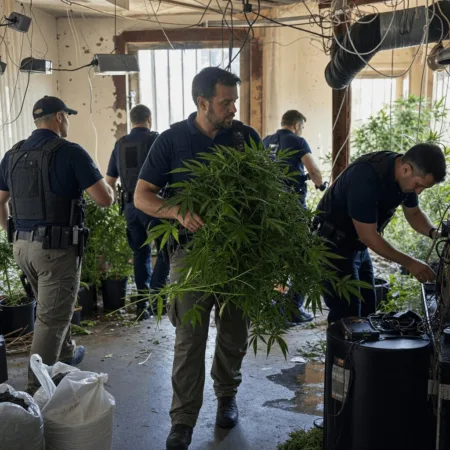
The buzz began on March 18, 2026, when local detectives in Madison raided a home after tracking a tip about suspicious substances. Inside, officers discovered over a pound of suspected synthetic marijuana—packaged in large, clear bags—alongside typical paraphernalia. According to a detailed local news report, a woman in her late twenties confronted police in her living room, visibly stunned. Law enforcement quickly seized the plant matter, described it as a dangerous knockoff, and cited Wisconsin statutes concerning the possession and distribution of synthetic cannabinoids. As the investigation continues, authorities emphasize the difficulty in testing and prosecuting these cases, especially as many compounds skirt current legal definitions. These enforcement challenges echo trends elsewhere, like recent changes in Ohio’s approach to THC-infused beverages in bars, as state agencies look for clarity in handling novel cannabis-related substances. The Madison woman synthetic marijuana arrest quickly sparked reactions both online and in local cannabis advocacy circles, with many debating whether resources are better spent elsewhere in Wisconsin’s tightening policy environment.
Expert Analysis, Industry Insight, and a Cannabis Advocate’s Take
To put the Madison woman synthetic marijuana arrest in perspective, it’s worth noting the rapidly shifting legal landscape and evolving science behind cannabis alternatives. According to Leafly’s industry reports, most synthetic cannabinoids are unregulated, poorly understood, and frequently misrepresented as safe alternatives. As Dr. Ethan Russo, a board-certified neurologist and cannabis researcher, notes: “Synthetic cannabinoids differ significantly from natural cannabis; they’re more potent, less predictable, and generally riskier, meaning regulators and consumers alike need to tread carefully.” (Quote from his Project CBD profile.) Many industry insiders argue that high-profile arrests like this reflect outdated priorities and highlight the need to pivot toward sensible regulation, public safety, and comprehensive cannabis education. With shifting policies nationwide—such as the recent major reforms to Ohio marijuana law—this local bust becomes a springboard for advocacy on smarter policy and deeper market understanding. The Madison woman synthetic marijuana arrest is a case-in-point for why the industry and its regulators must catch up to reality on the ground before public trust goes up in smoke.
Outlook: Progress, Optimism, and Next Steps for the Wisconsin Scene
Let’s not let one headline define the future. As the Madison woman synthetic marijuana arrest demonstrates, progress requires nuance, balance, and ongoing education. The cannabis industry consistently demonstrates resilience amid controversy, with grassroots advocacy fueling positive reforms and more states embracing regulated markets for natural cannabis. According to NORML’s latest legislative updates, Wisconsin continues to debate reforms that could—eventually—reduce the criminalization of cannabis users and prioritize real risks over panic. For consumers, advocates, and businesses, the road forward means supporting fact-based laws, safe access, and open conversations. While this arrest draws attention, what we do next determines whether cannabis regulation in Wisconsin advances or stalls. True progress means protecting public health, learning from setbacks, and moving the industry toward its high—and entirely legal—potential.
Originally reported by: waff.com