





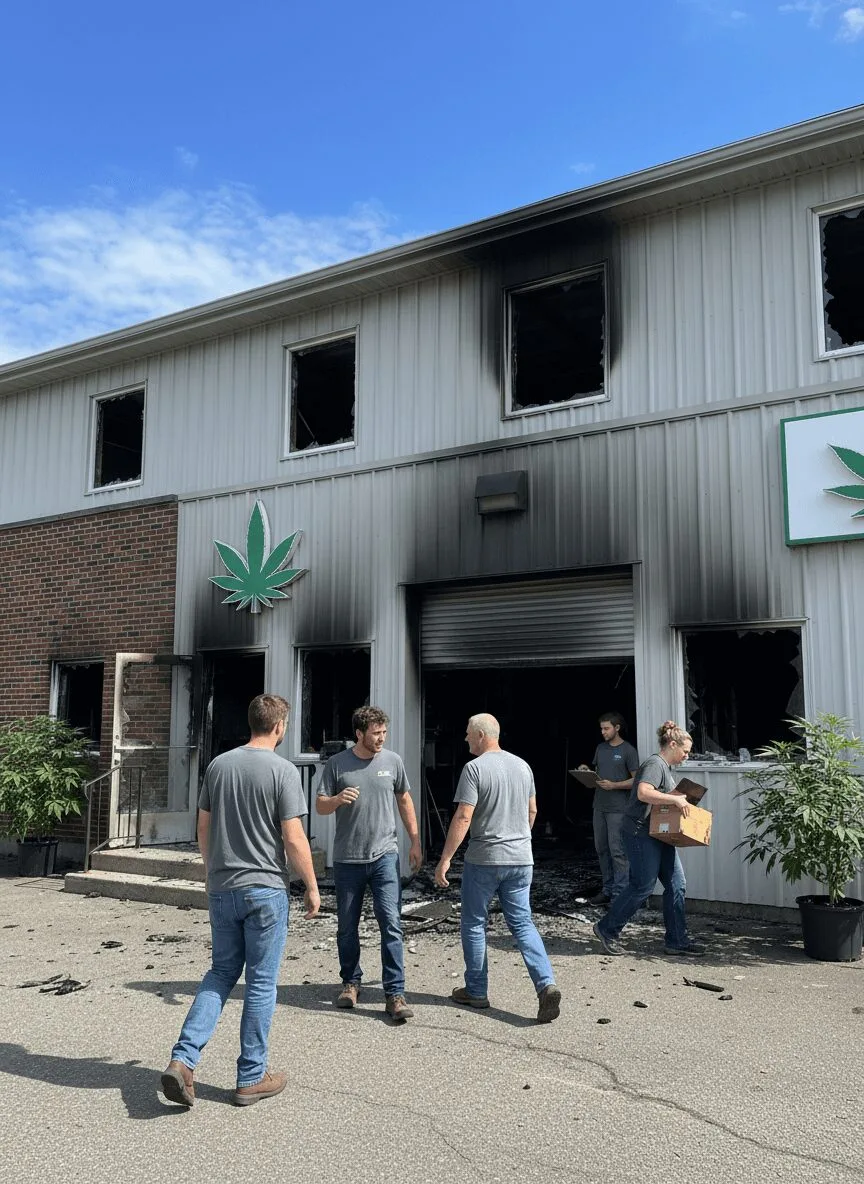
Scarborough cannabis facility fire: What really happened?
The cannabis industry in Maine has seen exponential growth, but it’s not without its fiery headlines. The recent Scarborough cannabis facility fire brings urgent attention to facility safety, regulatory compliance, and the industry’s future. With Maine’s cannabis market valued at over $400 million annually, the stakes are high for operators, employees, and local communities. This article unpacks the essentials: what happened in Scarborough, the broader industry implications, and the evolving landscape post-incident. Let’s dig into the reality behind the smoke, spotlighting causes, impacts, and what’s ahead for Scarborough and the state’s entire cannabis sector.
The Regulatory Burn: Background & Context of Cannabis Operations in Maine
Maine, riding the wave of recreational cannabis legalization since 2016, has quickly become a significant player in the Northeastern cannabis scene. The Office of Cannabis Policy (OCP) keeps a tight watch on compliance—from security systems to fire prevention and occupational safety. According to Maine’s Office of Cannabis Policy, facilities must adhere to strict protocols: secure grow spaces, fire alarms, and clear evacuation routes. Social acceptance keeps climbing, but every incident, like the Scarborough cannabis facility fire, puts both public perception and regulatory scrutiny under the spotlight. Insurance requirements and local zoning laws further shape how these businesses operate, underscoring the complex dance between state-level oversight and grassroots entrepreneurship. Community and environmental safety have become central to licensing, with municipalities getting increasing say in permitting and compliance. Regulatory changes in other regions, such as those discussed in the evolving landscape of cannabis policy in South Africa, provide context for how Maine fits within the global push for more nuanced marijuana laws.
Key Developments: What Happened at the Scarborough Cannabis Facility?
On June 6, 2024, a fire broke out at the SeaWeed Co. cannabis facility in Scarborough, Maine. Local firefighters responded quickly, alerted by smoke sensors and calls from nearby workers. According to WMTW News, the blaze damaged part of the processing and storage area, though there were no reported injuries. Workers safely evacuated, and first responders kept the incident from spreading. Investigators from the Maine State Fire Marshal’s office are still determining whether equipment failure or electrical issues sparked the incident. SeaWeed Co., a locally owned operation, had recently passed state safety inspections just weeks prior, emphasizing the need for ongoing vigilance, no matter how green the thumb. The company immediately notified regulators and insurance partners as part of standard procedure. While business interruption is expected in the short term, the facility’s commitment to safety protocols helped limit harm and prompted a review of fire-prevention practices industry-wide. Nearby municipalities, much like in communities debating marijuana moratoriums, are watching these developments closely as they consider their own permitting and emergency preparedness policies.
Lighting Up Insights: What Does This Mean for the Industry?
The Scarborough cannabis facility fire is the latest flashpoint for the complex realities facing legal cultivators. Accidents can happen even with robust checks. According to MJBizDaily, “the industry faces increasing regulatory pressure to address facility safety, staff training, and risk mitigation.” The SeaWeed Co. fire serves as a case study in why constant operational audits, updated electrical systems, and transparent emergency protocols are essential for cannabis businesses. As Leafly industry editor David Downs put it, “Cannabis operators must be more vigilant than ever. As public demand rises, so do expectations around safety and accountability.” Recent experiences in other regions show that lessons from one state can have ripple effects—similar to what happened in Minnesota’s new marijuana legalization policies driving local change. While headlines can spook the market, the practical response—reviewing and upgrading safety measures—actually makes the sector stronger long-term. Industry insiders say such incidents foster collaboration between regulators and business owners, opening new conversations around best practices, insurance innovation, and evolving building codes tailored for cannabis operations.
Looking Forward: Lessons From the Scarborough Cannabis Facility Fire
The Scarborough cannabis facility fire shakes up conversations—reminding everyone that resilience, transparency, and innovation define the modern cannabis industry. With regulators and operators doubling down on safety improvements, the path forward is one of renewed vigilance and community trust. The Maine cannabis sector remains robust, with growth projections showing steady upward momentum (Statista). As social acceptance widens and regulators refine oversight, incidents like this only sharpen the focus on top-tier facility standards and responsible operation. If the past is prologue, Scarborough’s commitment to recovery and best practices will set benchmarks—lighting the way for a safer, greener, and more respected cannabis industry across Maine and beyond.
Originally reported by: wmtw.com



1 Comment
Pingback: Cannabis SEO Agency: Elevate Your Brand With Proven Experts