



Breaking Down Cannabis Policy South Africa: What’s Next?
The conversation around cannabis policy South Africa has never been hotter. With lawmakers debating new regulations, economic opportunities on the rise, and grassroots advocates demanding clarity, everyone from farmers to entrepreneurs is eager to know what’s next. As the global cannabis market evolves, the South African story stands at a unique crossroads: Can legislation catch up with real-world innovation and community needs? In this piece, we’ll break down recent moves in cannabis policy South Africa, spotlight the major players, unravel emerging challenges, and map out what may be ahead for industry leaders and everyday citizens alike.
Understanding the Landscape: Cannabis Policy South Africa in Context
To grasp the current state of cannabis policy South Africa, you need to look at its historical roots as well as contemporary pressures. While cannabis use stretches back centuries in African tradition, the legacy of colonial-era bans and harsh apartheid-era enforcement still lingers over today’s debates. In 2018, South Africa’s Constitutional Court sparked change by ruling private cannabis use legal. However, public sales, commercial growing, and open trade remain tightly restricted. Regulatory uncertainty persists, with ministries such as Health and Agriculture sometimes clashing over oversight. Recent reports from Daily Maverick highlight the bureaucratic delays leaving aspiring farmers and entrepreneurs in limbo. Social acceptance is on the rise, but many communities still find themselves divided over legalization and the effects on youth or rural economies. These competing factors echo broader stories of cannabis-related enforcement challenges globally, not unlike the local fallout from recent high-profile drug busts in other regions. All these elements shape the constantly evolving landscape of cannabis policy South Africa.
Key Developments & Live Issues Shaping Cannabis Policy South Africa
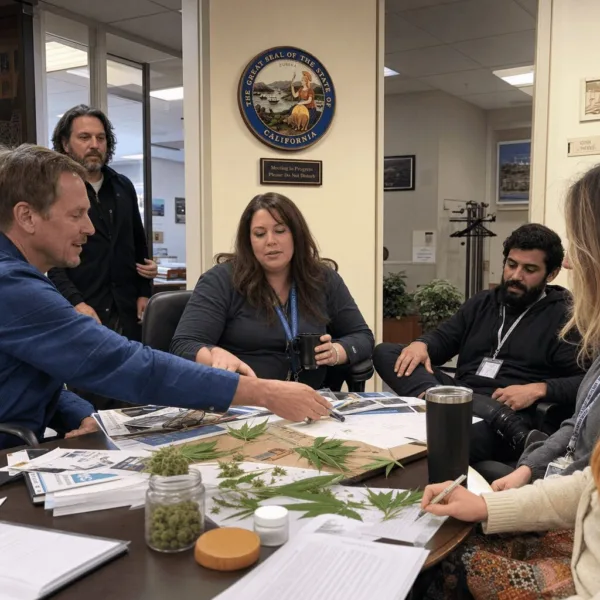
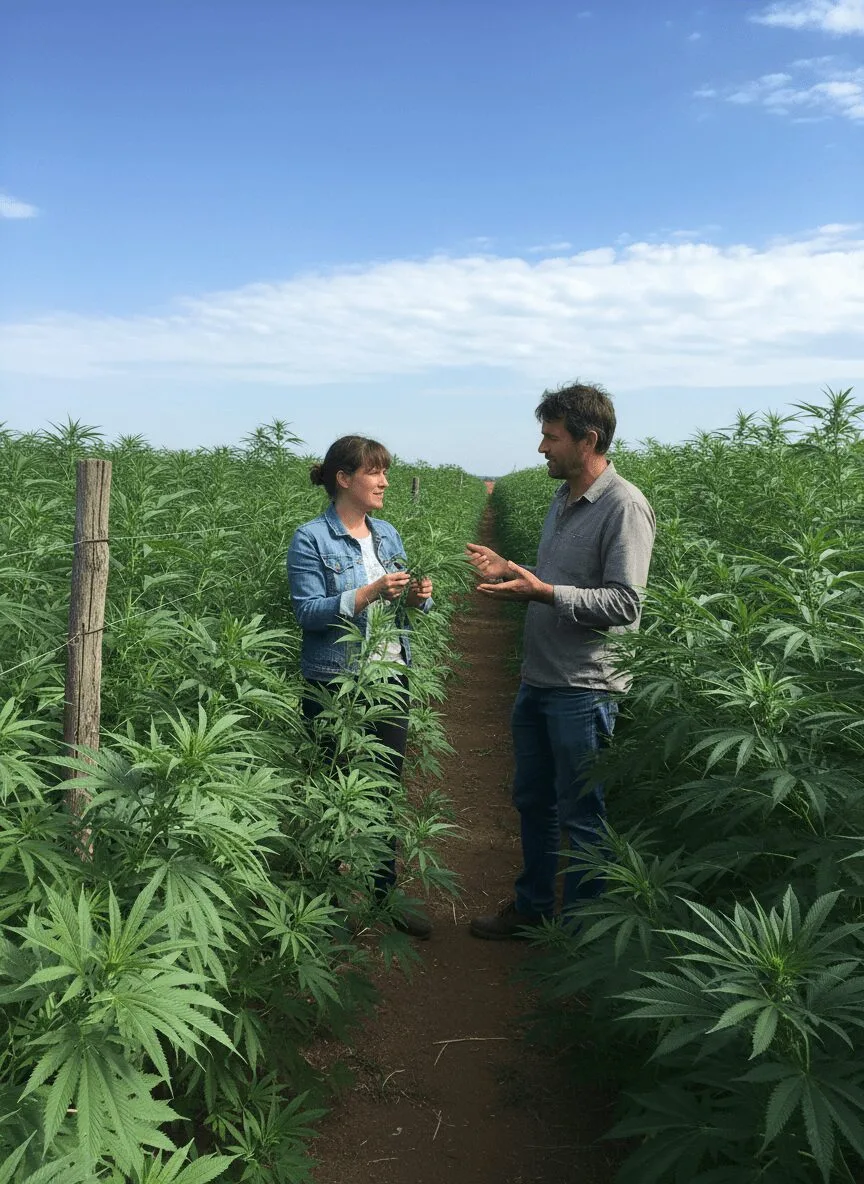
In recent months, the cannabis policy South Africa debate has accelerated. Parliament has been reviewing the Cannabis for Private Purposes Bill to regulate private cultivation while addressing health, trade, and enforcement loopholes. Lawmakers last convened in late 2023, but responses from civil society organizations and industry bodies like the Cannabis Development Council SA (CDCSA) have slowed legislative progress, calling for more transparent and inclusive policies. South Africa’s Department of Agriculture projects up to 130,000 jobs could be created by a robust hemp and cannabis market, according to Mail & Guardian. Yet, delays in establishing clear licensing regulations have left several rural startups operating in legal gray areas. Recent legal disputes, confirmed by News24, underscore unresolved tension between landowners, regulators, and law enforcement over hemp field seizures. An ongoing focus on law enforcement nuance can be observed in articles exploring controversial marijuana arrests—like those reported in Richmond County—illustrating similar policy dilemmas elsewhere. Meanwhile, major healthcare groups, most notably the South African Medical Association, insist on strong patient protections as demand for medical cannabis surges. Altogether, this paints a picture of cannabis policy South Africa at a pivotal moment: a swell of demand, a call for reform, and tension between officials and grassroots advocates.
Expert Insights and Cannabis Industry Perspectives
Parsing the current situation, it’s clear cannabis policy South Africa is progressing down a complex yet hopeful path. As Business Insider South Africa notes, ‘Without meaningful reform, the nation may lose ground in the global cannabis marketplace—with local farmers facing the greatest risks.’ According to Myrtle Clarke, co-founder of Fields of Green for ALL: ‘For change to matter, government must listen to the people who live it. Only by doing so will cannabis policy South Africa speak to true societal needs rather than bureaucratic theories’ (Fields of Green for ALL). On a global scale, energetic markets such as Germany’s multi-billion-euro launch—tracked by Bloomberg—raise the stakes for local reform, while medical professionals increasingly endorse patient-centered approaches based on science. For those following cutting-edge developments in wellness, the demonstrated power of cannabis to aid in reducing alcohol cravings is yet another argument for thoughtful legislative change (read more on the scientific evidence here). Ultimately, agile, evidence-based policy will be crucial if South Africa hopes to unlock both economic and social gains from cannabis reform.
Future Outlook: High Hopes for Cannabis Policy South Africa
The momentum behind cannabis policy South Africa isn’t slowing down. Lawmakers face mounting pressure from industry voices, patient advocates, and rural growers for fair, transparent rules. As South Africa weighs its next regulatory steps, the stakes are high—unlocking job growth, reducing criminalization, and putting long-standing communities on firmer legal ground. If international case studies (such as Canada’s 2018 labor-market gains, analyzed by Statistics Canada) are any indication, positive reform could ripple out across health, trade, and social equity. One thing’s certain: the days of cannabis limbo are numbered, and the journey ahead for cannabis policy South Africa is wide open, green-tinged, and buzzing with possibility.
Originally reported by: wandile.substack.com