





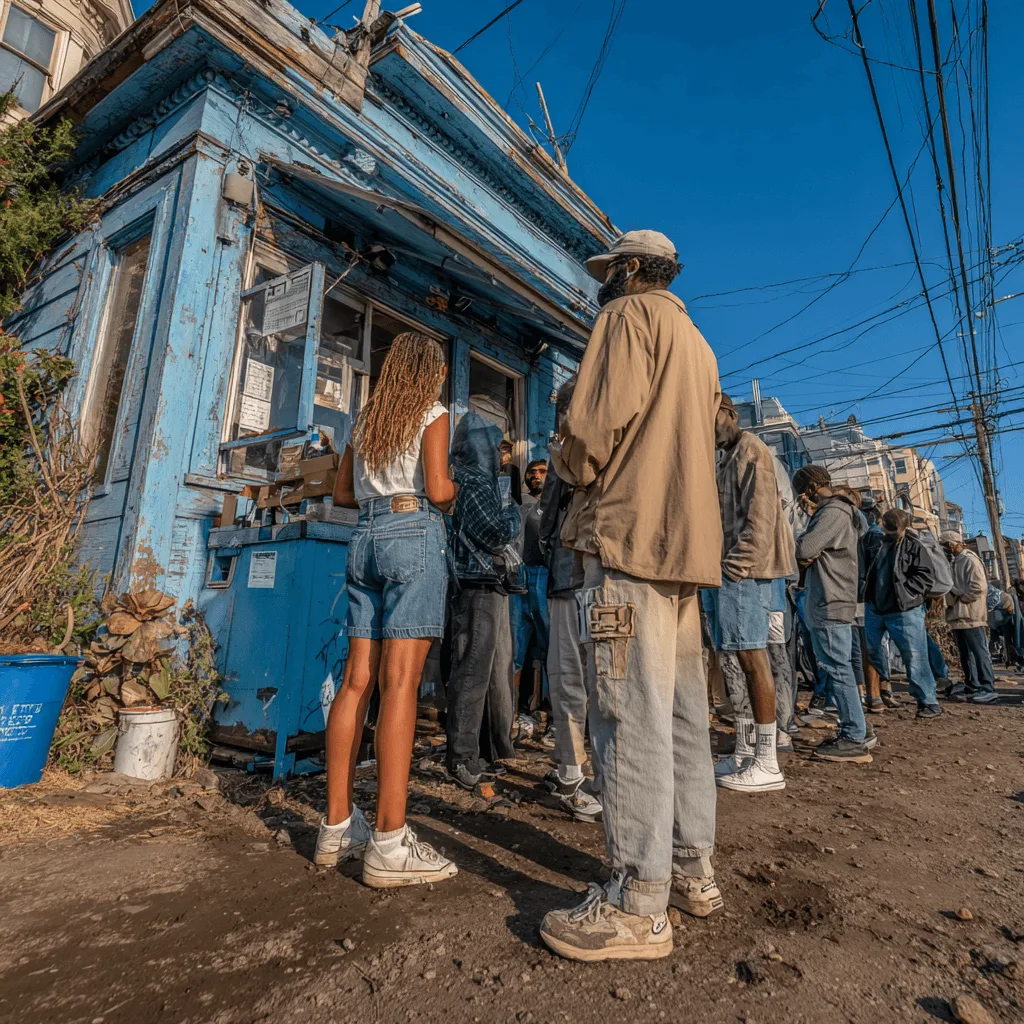
Roots of the San Francisco Equity Cannabis Movement
The push for San Francisco equity cannabis is deeply rooted in the city’s commitment to repairing the harm caused by the War on Drugs. When California legalized adult-use cannabis via Proposition 64 in 2016, San Francisco went a step further by launching its own social equity program, designed to give those most impacted by prohibition a fair shot in the new industry. The program aimed to issue licensing preference, fee waivers, and funding support to individuals from communities disproportionately targeted by cannabis enforcement, building on the official city framework. National organizations such as the Drug Policy Alliance and Marijuana Policy Project praised San Francisco for its proactive efforts. However, the real world brought its share of hurdles, including tight regulations, high taxes, cumbersome permitting processes, and a mostly cash-based, competitive market. The impact of high taxes on dispensaries in places like Michigan demonstrates how taxation can challenge even well-intentioned equity programs. According to NORML, the mix of state and local rules has made life even more difficult for small operators, including many in the equity sector.
Spotlight on the Breakdown, What Happened on Haight?
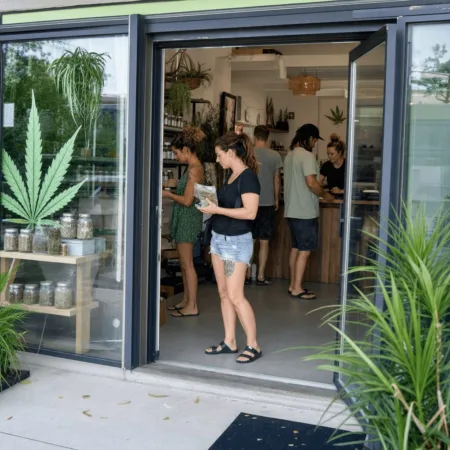
The recent closure of Posh Green—San Francisco’s only Black woman-owned, social equity cannabis dispensary—sent shockwaves through Haight-Ashbury and far beyond. According to The San Francisco Chronicle, Posh Green struggled with overwhelming debt, late rent, and regulatory burdens, ultimately shutting down in June 2024. Founder Reese Benton, widely celebrated for breaking barriers, cited the lack of flexible support, lending, and real estate options as core issues. Benton’s shop wasn’t the only one facing these challenges. Several other equity cannabis retailers have also closed recently, leaving only a handful still operating. The city’s Office of Cannabis confirmed that, out of dozens of applicants, fewer than 10 equity operators are actively licensed and open as of June 2024 (San Francisco Office of Cannabis Official Site). The ongoing decline of equity cannabis retailers, underscored by sky-high taxes, limited banking access, competition with illicit markets, and burdensome compliance, mirrors developments in other states where recent bans on hemp-derived THC have also impacted small-scale operators. Recurring waves of retail burglary and shifting zoning laws added further difficulties. The city’s efforts to promote diversity in cannabis have fallen short amidst market pressures and slow municipal support, raising questions among advocates and residents about what an equity program truly achieves if few survive to benefit.
Deep Dive, Expert Insights & Pro-Cannabis Counterpoints
From an experienced industry perspective, what’s happening in the San Francisco equity cannabis sector is more than just a tale of failed businesses, it’s a cautionary example for legalization efforts across the country. Reports like Leafly’s Social Equity Scorecard highlight that local red tape often stifles even the most ambitious programs. Shaleen Title, a leading advocate and former Massachusetts Cannabis Control Commissioner, stated in Rolling Stone, “Social equity programs must offer more than paper promises—they need capital, mentorship, and legal room to breathe. Otherwise, legacy operators, especially people of color, will continue to be priced out before they have a chance.” This harsh reality is a call for less punitive taxation and greater access to resources. Challenges faced by San Francisco’s equity programs are mirrored when communities respond to regulatory missteps, such as recent cannabis-related incidents in schools sparking urgent local discussion. While setbacks remain, continued advocacy and consumer awareness drive the push for genuine progress and transparency. The city’s model, though imperfect, still represents hope for more inclusive cannabis reform nationwide.


1 Comment
Pingback: OBN Marijuana Seizure Oklahoma: Major Bust Revealed