Understanding Child THC Exposure: The Regulatory & Social Landscape
Over the last few years, cannabis legalization has exploded across the United States, with more than 20 states now embracing some form of recreational use. According to National Conference of State Legislatures, regulations around THC edibles are still evolving, especially concerning packaging and childproofing requirements. Despite these safeguards, cannabis products continue to enter households, increasing the risk of unintended child exposure. The push for education on responsible storage remains a huge talking point in the cannabis advocacy community, especially given stats from CDC reports showing a rise in accidental exposures as legal sales grow. Social attitudes are also shifting as lawmakers in states like Illinois have stepped up debates over bans and access, with new policy changes covered in detail in what locals and industry insiders need to know about Illinois’ hemp-derived THC ban. Legal markets must walk a tightrope, working to prevent youth exposures without reviving the failed policies of prohibition.
The Greeneville Child THC Exposure Arrest: What Actually Happened
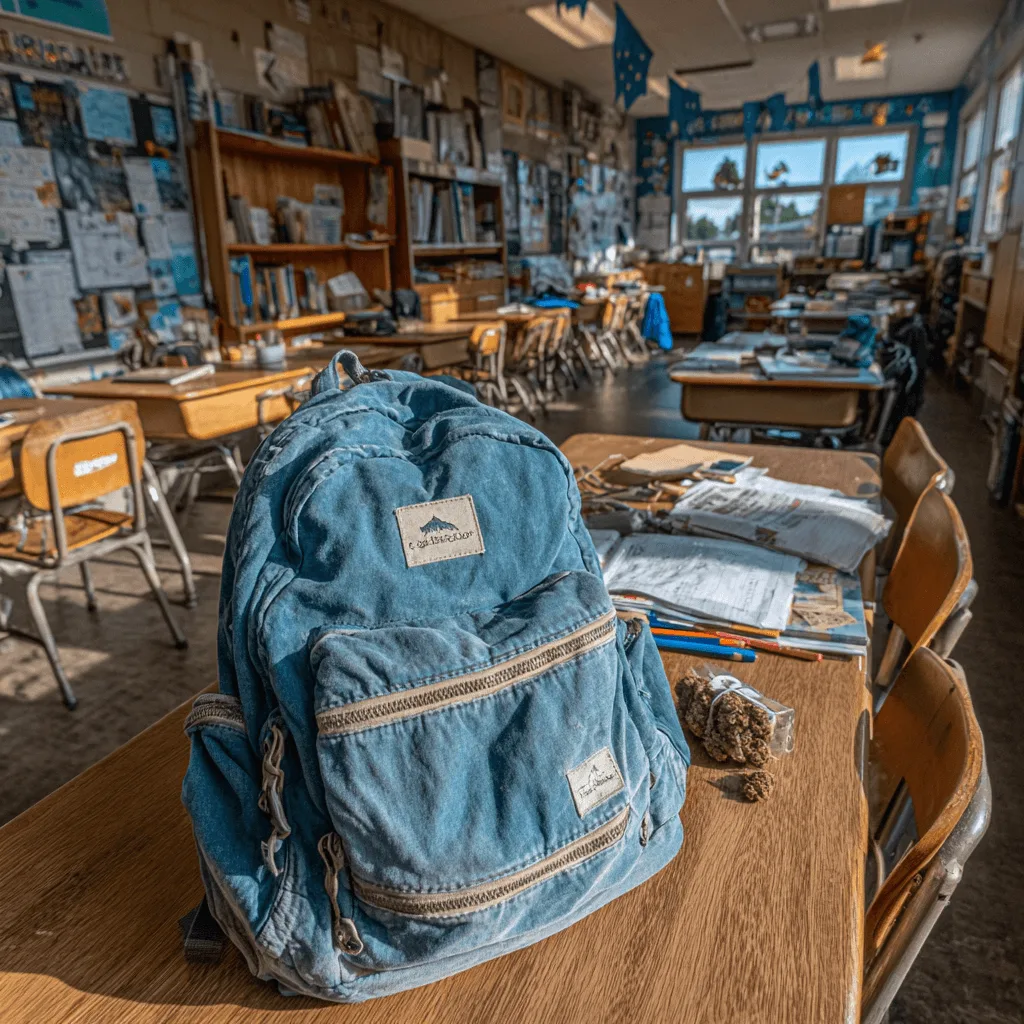
So, here’s the deal: Just this week, Greeneville Police responded to an incident at a local elementary school where a student showed up with cannabis edibles. According to The Greeneville Sun, authorities identified the product as a THC-infused edible, inadvertently brought from home in the child’s backpack. Investigators traced the source to a Greeneville man, now facing charges related to the child THC exposure arrest, including allegations of reckless endangerment and contributing to the delinquency of a minor. School officials moved quickly, working with law enforcement and reassuring families while also reviewing internal protocols for handling substance exposures. The community has responded by sharing similar concerns as highlighted in the recent incident detailed in Community Rattled by Shocking Child THC Candy Arrest at School Desk, with a mix of concern, debate, and calls for increased education. Further legal proceedings are set for later this month, and the story remains a rallying point for parents, educators, and policy advocates alike.
Expert Analysis: Lessons for the Cannabis Community & Industry
Let’s keep it real: incidents like the Greeneville child THC exposure arrest do not mean legal cannabis is broken, but they highlight the need for respect, responsibility, and better education. As cannabis expert Tom Angell of Marijuana Moment puts it, “Legalization brings responsibilities, not just rights. Keeping cannabis out of kids’ hands has to be our number one priority.” Growing markets mean more edibles at home, but also more opportunities for schools and parents to team up on harm reduction. Other states with mature markets, such as Colorado and California, have blazed the trail, introducing strict packaging standards and public information campaigns. Still, real-world slip-ups happen. Local data, including findings discussed in Pediatric Marijuana Ingestion in Tennessee: The Shocking Stats & What Parents Need to Know, emphasizes that communication and collaboration between families, schools, and cannabis businesses are essential. It’s not about fear, it’s about harm prevention with common sense. Industry leaders often cite data from NORML showing that regulated products, when stored properly and labeled clearly, make misuse less likely than mysterious black-market edibles.