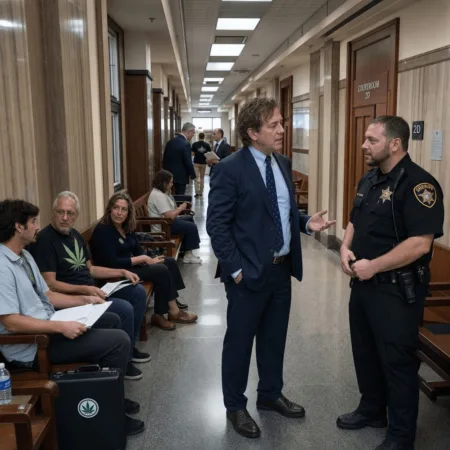
Understanding the Regulatory Background of the Illinois Hemp-Derived THC Ban
The Illinois cannabis landscape has evolved radically since adult-use legalization in 2020. However, hemp-derived cannabinoids—especially delta-8 and delta-9 THC synthesized from CBD—have remained in a legal gray zone. On one hand, federal rules under the 2018 Farm Bill opened the gates for legal hemp, as long as plants contained less than 0.3% delta-9 THC by dry weight. On the other, Illinois regulators, retailers, and legacy operators soon found themselves navigating a market brimming with potent gummies and vape pens derived from hemp, raising child safety concerns. For example, incidents involving pediatric marijuana ingestion have drawn national attention and raise critical safety questions, as discussed in recent coverage of pediatric THC incidents. The booming unregulated market raised red flags for consumer safety and state revenue. Industry watchdogs such as the Marijuana Business Daily and Leafly have reported on widespread confusion over lab testing, child-resistant packaging, and labeling accuracy. At the same time, licensed cannabis operators argue that the legal void on hemp-derived THC products undercuts businesses playing by the book.
Key Facts, Players, and Turning Points in the Illinois Hemp-Derived THC Ban
In June 2024, just before the legislative session closed, Illinois lawmakers passed a comprehensive hemp-derived THC ban (see Marijuana Business Daily for direct reporting). This move follows months of tough conversations among regulators, craft hemp producers, and retail associations. The new law—awaiting Governor JB Pritzker’s signature as of mid-June—prohibits the sale of high-potency, hemp-derived THC products outside licensed cannabis dispensaries. For insights into how the Illinois hemp THC ban could shape the local cannabis landscape, see a deeper dive on its impact and industry responses. Under the ban, popular delta-8 and delta-9 edibles, vapes, and seltzers once found at smoke shops, convenience stores, and gas stations will either become regulated as cannabis or disappear from shelves entirely. Notable Illinois hemp brands, such as Midwest Hemp Coalition, argue this threatens small businesses already battered by fierce retail competition and heavy-handed compliance costs. According to the Chicago Tribune, dispensary operators welcome the clarity but worry about illicit sales filling any potential gap. The legislation also tasks the Illinois Department of Agriculture and Department of Financial and Professional Regulation with ramped-up enforcement. Critics say this may strain agency resources, while supporters expect it to make shopping for infused products safer and more reliable for everyone.
Expert Analysis, Context, and the Cannabis Industry’s Response
Let’s be blunt: the Illinois hemp-derived THC ban is a double-edged sword for business owners and consumers. On one hand, it promises tighter standards and clear legal status for infused goodies and vape carts, yet the crackdown may have unintended impacts for regular users and those managing pediatric exposures, as seen in a review of how the crackdown affects consumers. On the other, it could force innovative hemp brands out of retail or underground markets. As Leafly news coverage points out, the delta-8 boom highlights persistent loopholes in federal and state weed policy. “Consumers aren’t going away, only their legal buying options might,” notes David Abernathy, Principal at the Arcview Group (Arcview Group). Pro-cannabis advocates, meanwhile, remind policymakers that unregulated products exist because demand outpaces traditional dispensary access and affordability. The rapid surge in multi-state hemp-derived THC sales, covered by outlets such as Hemmings, reflects mainstream consumer interest in diverse, innovative plant-based options. It’s crucial to remember that bans often spark illicit workarounds. As one industry leader told Marijuana Moment, “Smart regulation beats prohibition every time. Illinois has a chance to lead the way, if lessons from other states are learned.”