Rochester Hills shooting: Detroit Man Fights For Life
The Rochester Hills shooting is grabbing attention across Michigan and beyond, stirring up real talk about legal gray zones, safety in our neighborhoods, and the complex role cannabis plays when incidents turn chaotic. With the cannabis market still finding its groove after legalization, every high-profile event gets dissected, sometimes unfairly putting cannabis in the crosshairs. This recent shooting involving a Detroit local isn’t just about another tragic headline—it’s about how cannabis’s growing presence intersects with legal systems, public attitudes, and the realities of urban life. Let’s break down the facts, context, and what the fallout means for anyone following the Rochester Hills shooting.
The Regulatory and Social Landscape Behind the Rochester Hills Shooting
Michigan’s cannabis industry has been booming since adult-use legalization in 2018, but we’re still dealing with outdated stigmas and evolving regulations. While the state’s market ranks among the fastest-growing, events like the Rochester Hills shooting put law enforcement and cannabis communities back under public scrutiny. According to the Michigan Cannabis Regulatory Agency, state guidelines prioritize licensing and safety, yet public attitudes still lag, especially in areas that haven’t fully embraced legal cannabis. In cities like Detroit and Rochester Hills, challenges include securing banking services, handling changing local ordinances, and fighting perceptions shaped by decades of prohibition, as the Detroit News regularly reports. The issue of financial innovation is crucial, as companies are navigating uncharted territory, highlighted by industry shifts in cannabis finance and growth. This means every incident, especially one combining violence and cannabis, isn’t just a story, it’s part of a larger debate about progress, policing, and personal rights.
Key Developments & Issues from the Rochester Hills Shooting
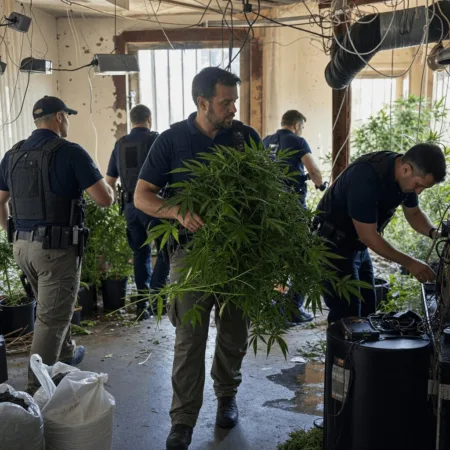
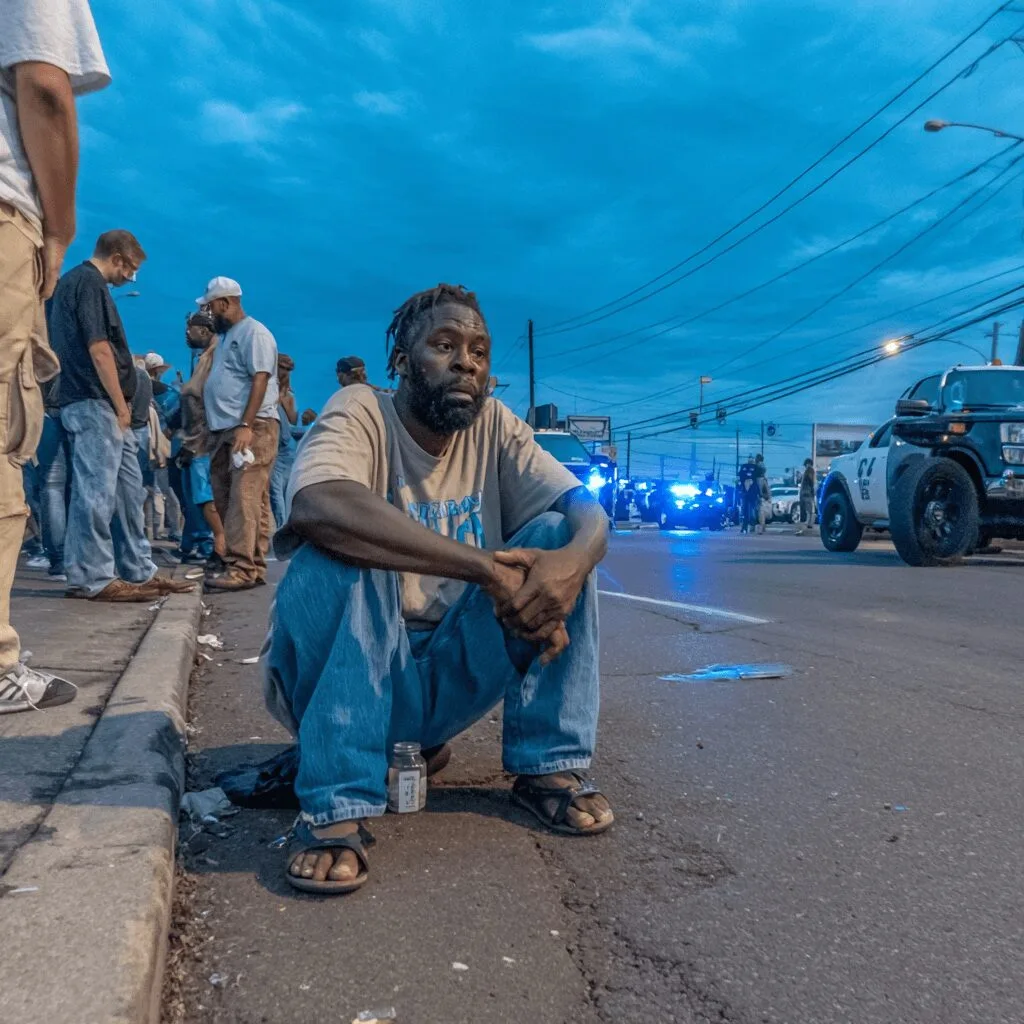
According to Fox 2 Detroit, the Rochester Hills shooting unfolded late last week when a Detroit man, whose name hasn’t been released to the public, was found critically wounded on a neighborhood street. Witnesses described the scene as tense and chaotic. Authorities arrived to find the man suffering from gunshot wounds, while police evidence markers surrounded a small glass cannabis jar and remnants of a joint on the sidewalk. The Oakland County Sheriff’s Office responded quickly, and early reports did not connect the cannabis directly to the incident, but its presence became a talking point for local media. The man remains hospitalized in critical condition, fighting for his life, while investigators continue to probe any possible links to drugs, robbery, or unrelated violence. For neighborhoods dealing with both the repercussions of violence and the impact of high-profile cannabis-related raids or crime, the episode instantly reignited debate about legal cannabis’s role in public safety, leading to renewed calls for nuanced, factual discussion from multiple fronts, as corroborated by the Detroit Free Press.
Expert Analysis & Pro-Cannabis Perspective on the Rochester Hills Shooting
Breaking this down, the Rochester Hills shooting spotlights a common cycle: a violent act occurs, cannabis is somewhere in the background, and suddenly weed is on trial in the public square—even if it played no role in the conflict. Industry thought leaders have had enough of the conflation. As noted by Leafly, “Cannabis in Michigan is safer and more regulated than ever before, yet it’s repeatedly used as a scapegoat for broader social issues,” said Erik Altieri, executive director of NORML. In reality, current research, like the data published by the Brookings Institution, shows local crime rates aren’t rising in lockstep with legalization. In fact, licensed retailers and their customers are generally safer than the unregulated past, challenging the frequently reported headline increases in cannabis-related addiction or health news. The fuss in Rochester Hills is less about cannabis and more about society struggling to adapt to new laws, shifting norms, and the stubborn hangover from decades of prohibition. Instead of panicking after every headline, advocates say it’s time for evidence-driven conversation that weighs cannabis as a normal, legal part of daily life, just like beer or coffee, but with infinitely more paperwork.
Future Outlook: Cannabis, Community, and Moving Forward
The Rochester Hills shooting, tragic as it is, shouldn’t derail Michigan’s progress on cannabis reform or community healing. There’s a lot of work ahead: smarter policing, ongoing destigmatization, and building better education around responsible use. As industry analysts at MJBizDaily point out, Michigan’s legal cannabis economy now supports tens of thousands of jobs, millions in tax revenue, and is improving safety through regulation. With each news cycle, dialogue is slowly shifting from finger-pointing to real solutions—like harm reduction, public investment, and stronger community ties. The hope is that tragedies like the Rochester Hills shooting won’t drive policy or perception backwards. Instead, they can be a catalyst—sparking smarter laws and broader acceptance, proving that legal cannabis can be part of a safe, thriving society when we choose fact over fear.
Originally reported by: fox2detroit.com