New Jersey psilocybin legalization: What You Need to Know Now
Right now, the buzz around the State House isn’t just about cannabis. With the news that New Jersey psilocybin legalization is moving forward, lawmakers and industry insiders alike are watching closely. The state—already known for progressive cannabis reforms—could become a trailblazer in the next wave of plant medicine regulation. This article unpacks why New Jersey’s move matters, the key updates straight from the capitol, and what it all means for stakeholders navigating the changing landscape.
Understanding the Background: New Jersey’s Psychedelic and Cannabis Policy Evolution
Let’s rewind a bit and see how we got here. New Jersey’s progressive approach to cannabis, medical and adult-use, set a benchmark for the East Coast. According to NORML, the state’s journey included voter-approved legalization in 2020 and a regulatory framework that has since expanded access while prioritizing social equity. Meanwhile, public perception of psychedelics—especially psilocybin—has evolved, mirroring national surveys reported by Pew Research Center, which show growing curiosity and acceptance amid the mental health crisis. This growing acceptance is part of a larger trend regarding how psychedelics are reshaping psychiatric care, as discussed in this analysis on psilocybin in clinical psychiatry.
Unlike some early movers, New Jersey isn’t operating in a legal vacuum. Legislative leaders have deliberately studied recent outcomes in states like Oregon and Colorado, both of which have implemented or are exploring regulated models for psilocybin use (see Oregon Health Authority). The Garden State’s cannabis experience shapes this policy shift, blending lessons learned with local priorities. Altogether, the environment is ripe for bold regulatory innovation, and New Jersey psilocybin legalization is the next logical step.
Key Developments: New Jersey Psilocybin Legalization Bill Advances
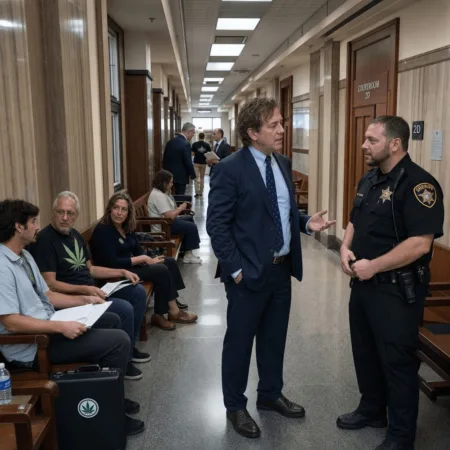
This week, the Assembly Health Committee electrified legislative watchers by approving a bill to legalize psilocybin, commonly called ‘magic mushrooms’ (ABC7NY reports). The bill, introduced by Assemblyman Herb Conaway, seeks to decriminalize possession of up to four grams of psilocybin for adults over 21. It’s modeled on New Jersey’s broad cannabis decriminalization, with a nod to medical access—mirroring Oregon’s therapeutic approach and broader conversations in regulatory circles such as those ongoing in the psychedelic research industry.
Assemblywoman Verlina Reynolds-Jackson, a key supporter, argued the measure is about harm reduction and expanding wellness options. Should the Senate follow, and if Gov. Phil Murphy signs the bill into law, New Jersey would be among the first in the nation to move psilocybin from a felony to a regulated substance. Notably, lawmakers clarified that the bill maintains restrictions similar to those for cannabis: public consumption is banned, underage possession is prohibited, and licensed medical supervision is encouraged for therapeutic use. The bill’s momentum follows steady advocacy from groups like New Jersey United for Marijuana Reform and echoes the state’s pragmatic cannabis rollout process (NJ.com: Marijuana News).
Expert Analysis: What New Jersey Psilocybin Legalization Means for the Industry
So, what’s the vibe from industry insiders? For seasoned cannabis operators, New Jersey psilocybin legalization is a logical evolution. It reflects shifting attitudes and an appetite for innovation, particularly in therapeutic markets.
Dr. Ethan Russo, a leading cannabinoid researcher, recently noted: “New Jersey’s willingness to explore natural psychedelics is a testament to science-driven policy, and a way to destigmatize plant medicines overall” (Project CBD).
Market analysts expect regulated psilocybin could safely create opportunities, especially within New Jersey’s established medical infrastructure. Moreover, evolving cannabis regulations have prompted concern over health impacts, much like recent discussions about issues such as the increase in cannabis addiction.
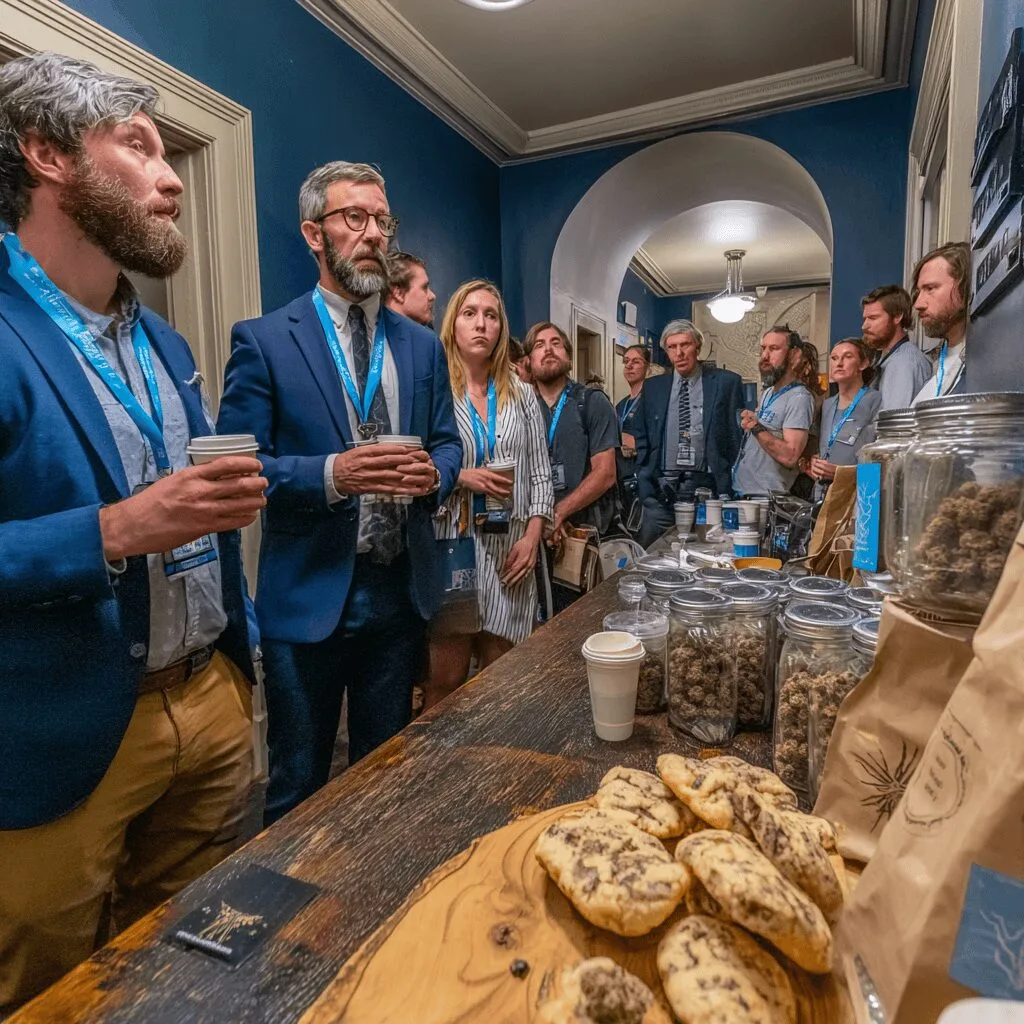
The state’s success with cannabis dispensaries—which now serve adult-use and medical patients—provides a ready-made ecosystem for legal psilocybin integration. But experts urge a careful rollout, pointing to Oregon’s ongoing lessons in quality control, training, and access. For consumers and entrepreneurs, the key will be navigating compliance while keeping community needs front and center.
This policy could push national conversations forward, positioning New Jersey as not just a cannabis hotbed, but a hub for responsible psychedelic reform.
Where Next? The Future of New Jersey, Cannabis, and Psilocybin
We’re looking at a watershed moment. As New Jersey psilocybin legalization moves ahead, the state underscores its role as a reform leader and safe harbor for plant-based wellness. Regulatory lessons learned in cannabis—good, bad, and hilarious—will likely translate into better controls, more transparency, and smarter education for psilocybin. If history’s any guide, what starts in Trenton won’t stay in Trenton. Expect other states to watch and borrow.
Cannabis and psilocybin reform are proving points in the national dialogue on public health, social justice, and economic opportunity. For advocates, patients, and canna-curious entrepreneurs alike, the message is clear: Stay informed, stay involved, and get ready for real change.
As industry publication MJBizDaily notes, “The future belongs to innovative states willing to let science and equity lead the way.” New Jersey psilocybin legalization could shape that future more than anyone realizes.
Originally reported by: abc7ny.com