





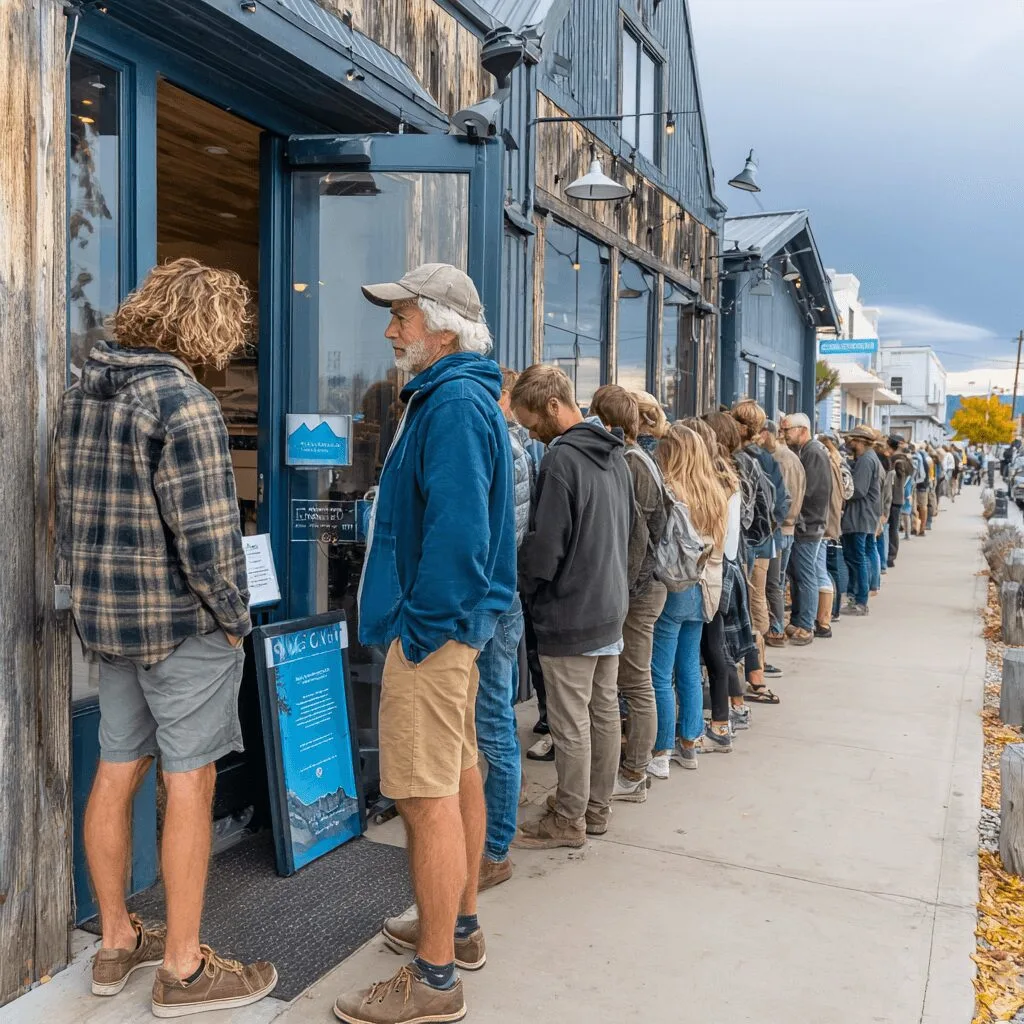
Riverhead Cannabis Moratorium: Why the Town Won’t Back Down
Let’s be real—the wave of legal weed has hit nearly every corner of New York, but not everybody’s rolling a joint in celebration just yet. The Riverhead cannabis moratorium comes at a time when dispensaries are popping up in cities statewide. Yet, Riverhead stands firm, raising questions about local power, cannabis stigma, and the future of regulated markets. As the state urges progress, Riverhead’s pause signals more than just hesitation. It reflects deeper debates swirling within small towns everywhere. Here’s why everyone on Main Street—from shopkeepers to budtenders—should care, what’s at stake, and where the green rush may head next.
Local Dynamics and the Backdrop to Riverhead’s Big Pause
Legal cannabis isn’t your granny’s farm stand, regulatory hurdles, shifting public sentiment, and economic opportunity shape every town’s journey. Statewide, New York’s Cannabis Control Board oversees licensing and regulation, striving for equity, safety, and market stability (cannabis.ny.gov). But Riverhead, perched on the North Fork, moves to its own beat, reflecting a patchwork of local ordinances that echo around the nation, much like California’s city-to-city splits after adult-use legalization. Similar situations have caused public controversy, as seen in cases where law enforcement and cannabis sellers clash over local regulation, such as in recent multi-jurisdictional cannabis arrests that highlight these complex dynamics. Here, the town board’s moratorium says: “Hold up, let’s figure this out before retail cannabis sets up shop.” These stances are often driven by concerns over zoning, community norms, social equity, and sometimes just plain-old ‘not-in-my-backyard’ thinking. Add to that a swirl of evolving public opinion, recent Pew Research polls show that support for legalization is at historic highs, though local debates simmer over details like public health and youth access. In short, Riverhead cannabis moratorium symbolizes the friction as old laws and new attitudes collide.
Recent Moves, State Pushback, and What’s Actually Happening
Now for the main event, The New York State Office of Cannabis Management (OCM) recently spotlighted the Riverhead cannabis moratorium, labeling it “unreasonably impracticable.” OCM argues this lengthy pause blocks the intent of state law (the Marijuana Regulation and Taxation Act) by preventing legal operators from meeting rising demand. Despite clearer guidance from OCM and pressure to pave the way, Riverhead’s town board doubled down in a tense public meeting in late September 2025. Locals voiced everything from fears of ‘pot shops on every corner’ to hope for tax revenue and business growth. According to Riverhead News-Review, officials justified their stance by citing the need for proper planning to address zoning, law enforcement, and community health—and yes, opposition from some vocal residents. The situation is not unlike policy debates stirring across other states, such as when political leaders take divisive stands that create uncertainty for operators and communities, similar to Florida’s intense debates regarding marijuana policy. Notably, the board also referenced concerns about consistency with other municipalities and potential legal exposure if the moratorium is lifted too hastily. This standoff puts Riverhead in the crosshairs of state regulators, who have set timelines to expand access and clamp down on unlicensed sellers. Bottom line, the Riverhead cannabis moratorium is more than just a pause, it’s a battle for who gets to write the rules on Main Street.
Contextualizing the Conflict: Insider Views and Broader Lessons
For anyone following this industry with more than casual interest, Riverhead’s move is not just about a single town, it’s a window into the growing pains of the legal market. As Leafly noted after a wave of local California opt-outs, “When municipalities block legal access, illicit markets thrive, putting consumers at risk and costing communities much-needed revenue.” The ongoing Riverhead cannabis moratorium echoes this, as delays can push buyers to underground channels, undermining the goals of the very law meant to protect public health and generate tax dollars. Similar conflicts have arisen elsewhere, for example, the spirited local debates over legal expenses and public engagement reflected in recent community decision-making on cannabis funding. Regulators also stress that ‘unreasonably impracticable’ roadblocks may ultimately be challenged—sometimes in court—as state policy aims to deliver broad, fair market access (see Cannabis Law Report). Yet, it’s not just top-down pressure, advocates point out Riverhead risks losing out on social equity licensing, jobs, and early economic gains. In the words of industry advocate Shaleen Title, “Communities that delay only end up playing catch-up. Legalization delivers best when locals help write the rules, not just resist them.”
What’s Next? Growth, Debate, and Green Shoots for Riverhead and Beyond
If cannabis teaches us anything, it’s that this plant—and the movement around it—doesn’t wait for slow movers. The Riverhead cannabis moratorium highlights a tug-of-war between progress and old fears, but the bigger trend is clear. As seen elsewhere across legal U.S. markets, past moratoriums almost always give way to tightly regulated, community-shaped access (Forbes). Social stigma is fading. The state’s push for fairness and order isn’t letting up—and most importantly, the public increasingly supports smart, safe retail. While Riverhead hashes out its next move, expect heated debate to transform into action. The green wave bends toward acceptance, regulation, and responsible opportunity. Keep your lighters handy—change is coming, whether it’s fast or slow.
Originally reported by: riverheadnewsreview.timesreview.com



2 Comments
Pingback: Shocking Details: Marijuana Arrest KEEA Uncovered
Pingback: Breaking: Vape Store Owner Drug Arrest Rocks Community