

RICO drug arrests: Inside the Shocking Drug Sweep
Right now, RICO drug arrests are dominating headlines across the cannabis world—and for good reason. With legalization expanding and social attitudes shifting, it’s impossible to ignore when police still go all-in on large-scale sweeps, as recently happened in a quiet suburban community. This case stands out due to its size, the use of RICO statutes, and growing debate over where cannabis fits into law enforcement priorities. In this breakdown, I’ll cover what led to the sweep, who got caught in the net, why it matters for the cannabis industry, and where we all go from here.
The Legal Landscape, How RICO Drug Arrests Shape Modern Cannabis Policy
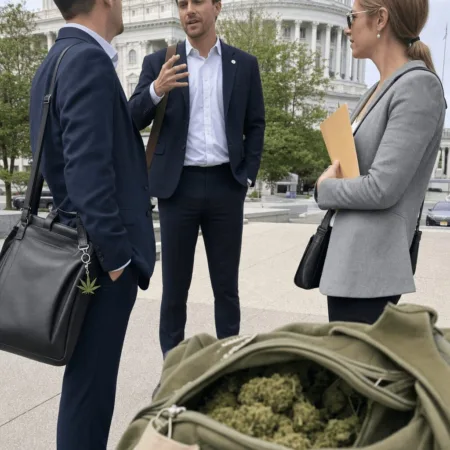
To really understand what’s up with these RICO drug arrests, you’ve got to know the legal and social context. RICO, short for Racketeer Influenced and Corrupt Organizations Act, was built in the 1970s for taking down organized crime, but it’s since morphed into a go-to tool for prosecutors chasing everyone from street gangs to cannabis entrepreneurs (NORML explains more on RICO’s uses). In states where cannabis remains a legal gray area, or federally illegal, old laws clash with new realities, confusing law enforcement, industry players, and consumers alike. While decriminalization and tax revenue win headlines, raids like this remind us that local attitudes and state laws still make the cannabis space unpredictable, especially in suburbs or towns slow to embrace reform. Similar patterns have been seen elsewhere, such as in communities where local stores have faced strict compliance checks related to cannabis, as highlighted in Grundy County’s recent THC regulatory efforts. Social stigma remains real too, with some neighborhoods fearing change and amplifying crackdowns even as public sentiment heads the other direction. According to Pew Research, a whopping majority of Americans support legal cannabis, but enforcement gaps persist depending on your zipcode.
What Really Happened, The Facts Behind These Suburban RICO Drug Arrests
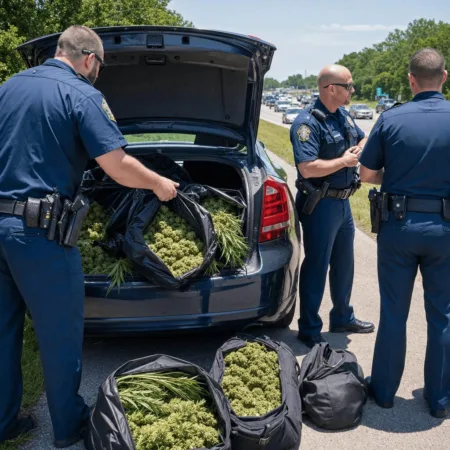
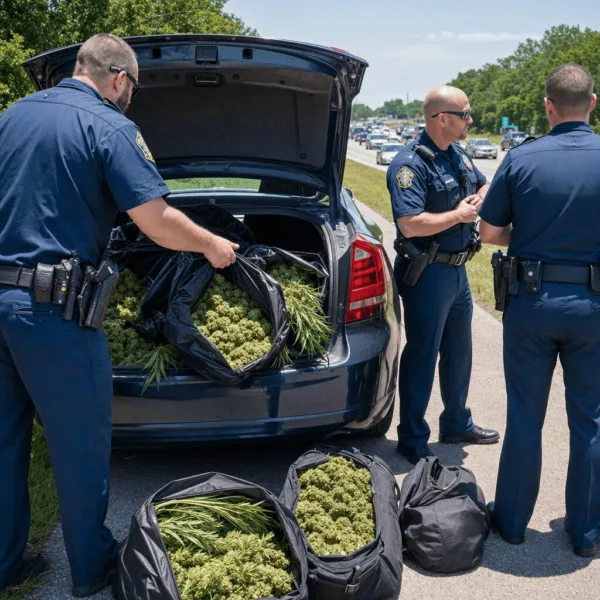
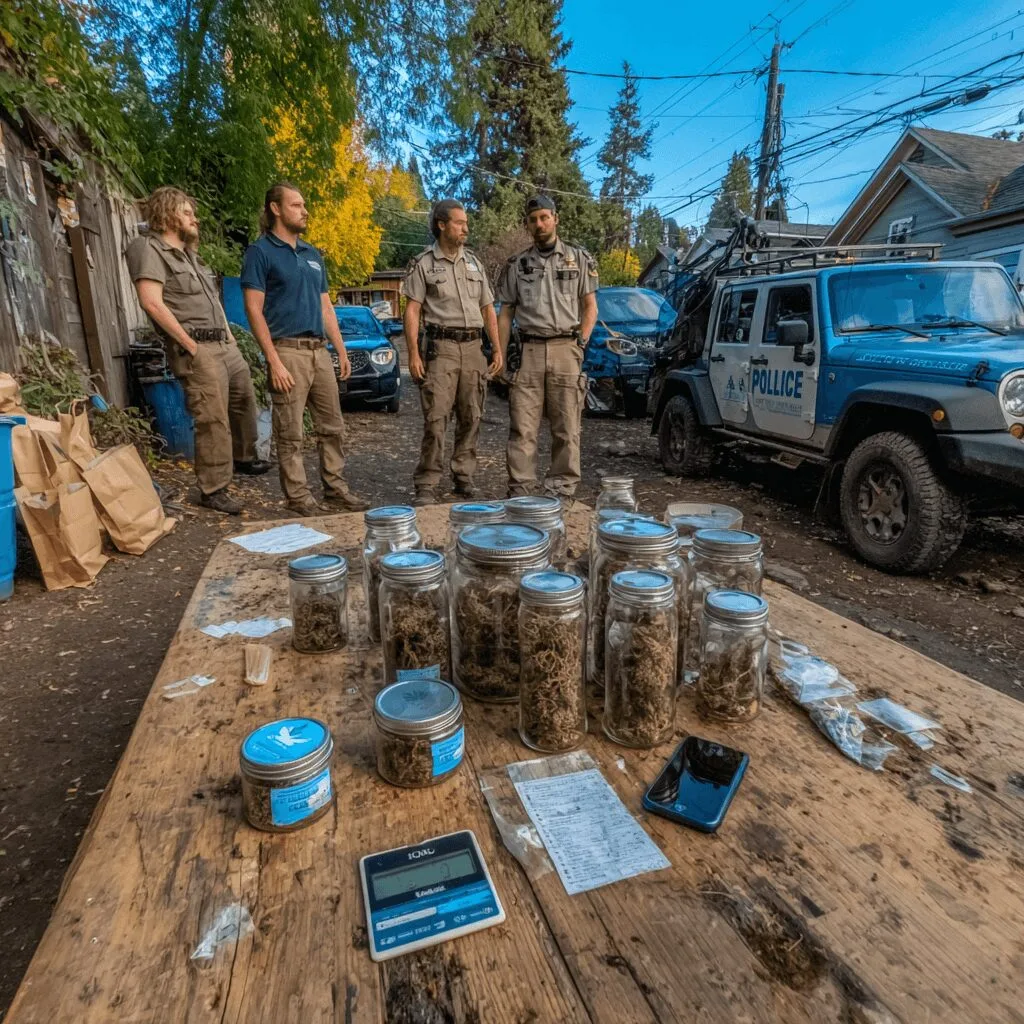
This particular wave of RICO drug arrests began after a sprawling two-year investigation by local and state police, coordinated through multi-agency task forces, which is increasingly common when RICO statutes are involved (source, WSB-TV coverage). Authorities arrested 30 individuals who, allegedly, were tied together by phone records, digital scales, and a collection of glass jars and evidence bags stuffed with marijuana. Investigators allege these individuals weren’t just sharing among friends but running a coordinated trafficking ring, thus justifying the RICO charges that dramatically raise the stakes for everyone caught, whether they’re small fish or big. The operation climaxed with dozens of officers storming suburban driveways and homes, seizing not just cannabis but cash, phones, and the usual accoutrements of the underground market. It’s a vivid reminder, much like the legal and social debates that erupted after a global basketball player’s cannabis arrest, that these cases reflect broader tensions between law enforcement and shifting cannabis views (see similar global impact). Everything played out in scenes that felt more like a movie than real life, showing how the hustle flourishes wherever the regulated market can’t fully meet demand. For a deeper dive into the legal mechanics, see the DOJ’s background on RICO.
Industry Take, What RICO Drug Arrests Really Mean for Cannabis
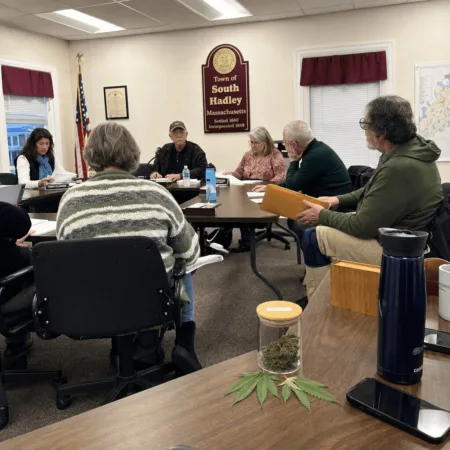
Let’s be real, these RICO drug arrests send shockwaves through the cannabis industry that extend far beyond a single town. For legacy growers and new entrepreneurs alike, the message is clear, until federal law catches up, the risks aren’t going away no matter how progressive local reforms seem. Prosecutions like this can scare people out of the open for now, pushing debates about policy and enforcement nationwide. As Marijuana Moment’s Kyle Jaeger notes, “RICO cases are a blunt tool often misapplied to cannabis activity that is otherwise shifting into the mainstream economy.” That’s a sentiment echoed across advocacy groups, city councils, and boardrooms. Notably, community action campaigns, such as those launched in Minnesota, show how local activism can spark genuine statewide change and counteract the chilling effect of high-profile raids (example of grassroots action). Legal retailers are investing more in compliance tech, reform advocates are doubling down, and researchers continue tracking justice equity gaps that widen every time major busts sweep in small-time suspects alongside career criminals. As the latest NORML report shows, the US cannabis industry now supports over 400,000 jobs—proof that honest careers await if lawmakers can just let the market breathe.
The Future: Reform, Growth, & Hope After RICO Drug Arrests
Despite another round of dramatic RICO drug arrests, the trajectory for cannabis reform remains bright. Each incident like this exposes how rickety our current laws are, and how far the public has come in normalizing cannabis. State legislatures continue to roll out new protections, erase old convictions, and open the market to a more diverse crowd—moves backed by broad public support, according to MJBizDaily’s annual industry survey. Smart policy, not punitive policing, is winning the argument. For those of us rooted in the culture, this is ultimately a story of change: The push for safe, legal, and fair access isn’t threatened by the old-school busts—it’s energized by them. When communities unite, advocate for equity, and invest in cannabis business, the industry becomes more resilient than any single sweep. So, while today’s headlines might sting, tomorrow’s look a lot greener—literally and figuratively. Stay lifted, stay informed, and let’s keep building a future where RICO drug arrests become a footnote, not the front-page news.
Originally reported by: wsbtv.com