


Shocking Details: Marijuana Arrest KEEA Uncovered
The cannabis world is seeing seismic shifts, but sometimes, the law still drops a boulder. The recent marijuana arrest KEEA incident isn’t just another news scroll; it’s a vivid jolt showing how regulation and enforcement interact with local communities. As the Ghanaian cannabis landscape evolves, this bust raises crucial questions: What’s legal, what’s punishment, and what are the real impacts on both industry and individuals in 2024?
The Ghanaian Cannabis Landscape: Laws, Regulation, and Social Realities
Let’s be blunt, Ghana’s approach to cannabis is tightly regulated. While some African nations, like South Africa, have eased up (BBC reports), Ghana still treats possession and trafficking as a big legal deal. Back in 2020, Parliament flirted with limited legalization, allowing industrial hemp for health and industrial use, as highlighted by Reuters. Yet, recreational use remains strictly illegal; police forces regularly run anti-narcotics operations, especially in the Central Region. This tightening echoes debates in other communities, where residents and leaders sometimes push for cannabis moratoriums or resist reform, as seen in local conversations around whether to welcome legal weed businesses. So, the marijuana arrest KEEA case plays out amid public debates—can Ghana move toward a more progressive policy, or will tight enforcement persist? And what does this mean for locals living at the intersection of hope and handcuffs?
Marijuana Arrest KEEA: Core Facts and Latest Developments
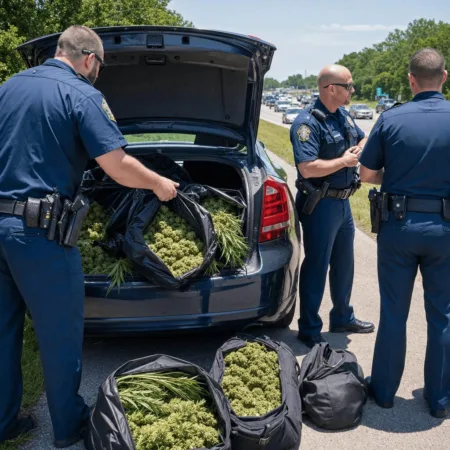
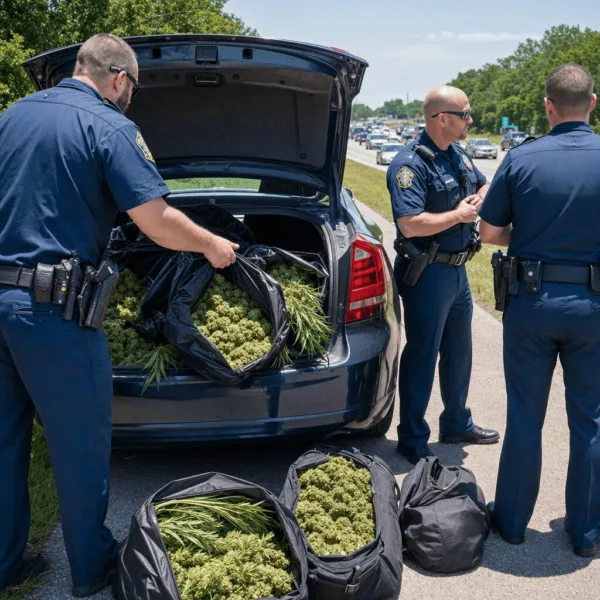
Here’s the lowdown: In early June 2024, four adults were arrested in Komenda-Edina-Eguafo-Abirem (KEEA), Central Ghana, for suspected trafficking of approximately 2,250 parcels of marijuana. According to ModernGhana, police conducted a daytime roadside operation after getting a tip-off. The haul, a hefty stockpile sorted into loose sacks and brown parcels, was intercepted before reaching intended recipients. Among those detained, some are suspected of coordinating regional distribution. Local authorities described the cigarette-rolled cannabis and loose leaf as evidence of growing commercial activity. The four suspects (names withheld for legal reasons) are facing charges under Ghana’s Narcotics Control Commission Act, which, as per the Narcotics Control Commission, can carry serious prison terms. This marijuana arrest KEEA event brings to mind high-profile cannabis busts in other regions, where authorities have cracked down on suspected distribution rings—such as recent investigations involving multiple communities, highlighting both law enforcement strategy and community reaction. The marijuana arrest KEEA case now feeds into a broader government crackdown targeting large-scale suppliers and organizers.
Expert Analysis & Pro-Cannabis Perspective
Now, let’s hash this out. The marijuana arrest KEEA story isn’t just about a few people getting caught, it’s about a policy crossroads. Dr. Kwesi Gudugbe, a prominent Ghanaian cannabis researcher, once observed, “Criminalising cannabis drives the underground market, eroding trust between communities and law enforcement.” That applies here in spades. For decades, restrictive laws have meant that rural and urban entrepreneurs—sometimes just ordinary folks scraping by—face criminal charges for activities that, in places like Canada or California, generate tax revenue (see Forbes). These kinds of high-profile cases often ignite policy debate not only in Ghana but worldwide, like when athletes or public figures are detained abroad, generating complex questions about global drug enforcement and public reaction—as seen in the aftermath of a basketball player cannabis arrest that made international headlines. Across Africa, evolving reforms are inspiring heated debates on equity, policing, and trade. The marijuana arrest KEEA scenario starkly exposes the risks: hardline enforcement doesn’t necessarily eliminate demand or poverty. Instead, it often compels tighter secrecy, sharper policing, and sometimes, tragic outcomes for marginalized communities. There’s a better way forward—one that regulates, educates, and generates value safely, echoes Cannabis Business Times.
Looking Ahead: Hope, Reform, and the Ghanaian Cannabis Path
The marijuana arrest KEEA saga is far from the final chapter. Signs are everywhere in Ghana’s business culture, youth activism, and even in Parliament that cannabis policy will keep shifting. Local advocates are calling for more science, fewer knee-jerk crackdowns, and a balanced look at harm, benefit, and social justice. Meanwhile, Africa’s rapidly growing cannabis industry—projected to reach billions in value—offers a glimpse of what thoughtful reform could look like (Prohibition Partners 2024). The road is still bumpy, but if authorities, businesses, and communities push for fairer, transparent laws, Ghana could reap both economic and social benefits. So, while the fallout from the marijuana arrest KEEA stings today, a greener, more pragmatic future is on the horizon.
Originally reported by: modernghana.com