Reverse Ohio Marijuana Legalization: What’s At Stake?
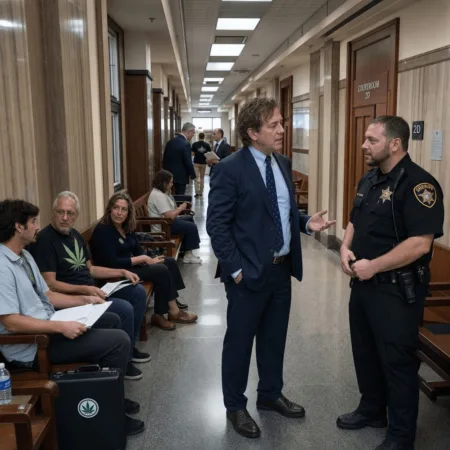
The debate around the push to reverse Ohio marijuana legalization is heating up at a critical time. With shifting social attitudes and record national cannabis sales, Ohio’s young market finds itself in the spotlight. Some lawmakers seek to roll back the recent legalization, citing new evidence and public safety concerns. At the same time, activists and industry voices are raising key questions about the social, medical, and economic costs of reversing course. Let’s break down what’s happening, why it matters, and what’s truly at stake for Ohioans as the conversation unfolds.
Background: Understanding the Effort to Reverse Ohio Marijuana Legalization
Ohio legalized adult-use marijuana after Issue 2’s passage in November 2023, joining more than two dozen states in embracing regulated cannabis. The market’s rollout was swift, with industry reports highlighting robust early sales and budding opportunities for local entrepreneurs. Yet, all is not calm. Ohio’s legislative landscape has been turbulent, with conservative lawmakers, including Senator Rob McColley, actively discussing a reversal or significant revision of the newly enacted law. Notably, voter pushback and active debates over Ohio’s marijuana legislation have prompted lawmakers to reconsider the recent reforms, reflecting the state’s volatile regulatory environment.
The push to reverse Ohio marijuana legalization isn’t happening in a vacuum. Neighboring states, such as Michigan and Illinois, have paved the way for thriving legal industries, but have also faced regulatory headaches, patchwork policies, and unforeseen public health challenges—which echoes findings from recent studies on public perceptions of medical marijuana. Nationally, cannabis remains federally illegal, complicating banking, taxes, and research—even as the Pew Research Center shows over 88% of Americans favor some form of legalization. This backdrop sets the stage for Ohio’s uniquely intense showdown.
Key Developments: The Latest in Calls to Reverse Ohio Marijuana Legalization
According to recent commentary in Cleveland.com, legislative efforts to reverse Ohio marijuana legalization have accelerated since 2024. Calls for repeal at least partially stem from emerging data, such as increased traffic stops and concerns from police associations about impaired driving—a topic explored in greater detail in a recent examination of traffic stop incidents tied to marijuana. Legislators highlight studies from Colorado and Washington suggesting mixed results post-legalization, although critics point to methodological flaws. In June 2024, McColley and allies introduced SB 307, aiming to alter crucial provisions such as home grow rights and license distribution.
Industry voices, like Buckeye Relief and Firelands Scientific, continue to speak out against a potential rollback, arguing it would undermine established businesses and harm local economies—a concern paralleled by findings on the true impacts of recreational cannabis impairment. At public forums in Columbus and Toledo, advocates and opponents alike have packed city council chambers, each side contending that their community’s public health, safety, and prosperity hang in the balance. Meanwhile, law enforcement and public health experts are contributing contradictory views, as noted in a recent Ohio Matters report, leaving voters bewildered by dueling statistics and anecdotes.
Expert Analysis: Unpacking the Threat to Ohio’s Legal Cannabis
Let’s get honest, any effort to reverse Ohio marijuana legalization now would send shockwaves through the entire cannabis industry. From a business standpoint, growing companies have already made significant investments in compliance, workforce training, and infrastructure. “Sudden regulation changes hurt small businesses the most. It creates chaos for operators and confusion for consumers,” explains Chris Sandberg, a cannabis regulatory specialist. The industry’s rapid response networks, from retail to cultivation, would be disrupted, leaving patients and recreational users in limbo. Recent incidents where marijuana arrests intertwine with broader public safety issues—such as firearm seizures—demonstrate the far-reaching consequences, as detailed in local reports on marijuana-related arrests and public order.
On a social level, pulling back legalization could undermine trust in government, as NORML Ohio experts caution, reminding us that Ohioans voted decisively for reform. It also risks reigniting the disproportionate policing of marginalized communities. Industry leaders point to the ACLU’s evidence that the majority of marijuana arrests nationally are still for simple possession, disproportionately affecting Black residents. Experts also stress that regulatory tweaks, not total reversals, are the norm in other states facing post-legalization growing pains. After all, Massachusetts and California have routinely revised cannabis regs, according to Leafly, but outright bans are vanishingly rare.
Looking Ahead: The Outlook if Ohio Considers a Reversal
Despite heated calls to reverse Ohio marijuana legalization, the broader trend across the U.S. is moving toward acceptance, not prohibition. Local businesses and advocates are pushing for legislative clarity and reasonable compromises rather than full repeal. With more Americans supporting cannabis reform every year, Ohio stands at a crossroads: will it follow national momentum, or hit pause on progress?
Real-world data from established markets show that regulatory refinement—driven by transparent communication and focus on harm reduction—builds stronger, safer industries. As Statista reports, legal markets now account for billions in new tax revenue and tens of thousands of jobs. The stakes are high, no doubt, but the opportunity for Ohio to lead wisely, protect consumers, and grow local revenue is bigger than ever. The future remains promising for those advocating for a fair, well-regulated cannabis scene in the Buckeye State.
Originally reported by: cleveland.com