





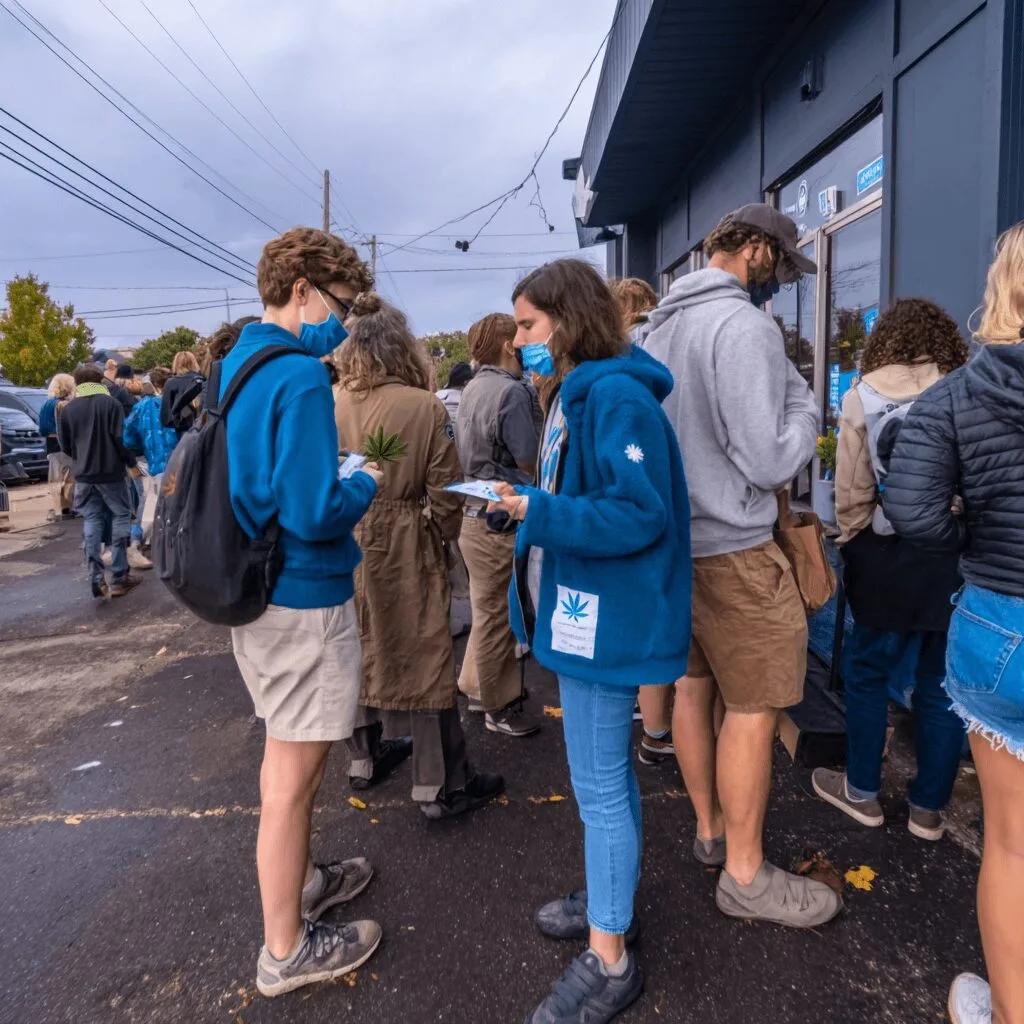
Ohio marijuana legislation: Lawmakers vs. Voters
The Ohio marijuana legislation is front and center right now, and wow, the energy is palpable. Ohioans spoke loud and clear, approving major changes at the ballot. But recent legislative moves put voters and lawmakers on a collision course. Why does this matter so much now? Simple—Ohio’s choices signal broader shifts for cannabis laws across the Midwest and beyond. Whether you’re a seasoned industry vet or just a curious consumer, understanding where things stand is crucial. This piece unpacks the power struggle, the real facts, and what it means for the future of Ohio marijuana legislation.
The Path to Ohio Marijuana Legislation: A Fresh Perspective on Regulatory History
Ohio marijuana legislation didn’t drop out of thin air, it’s the product of years of heated debate, shifting public opinion, and evolving federal tensions. Let’s get real, cannabis has always stirred the pot (pun fully intended) in Ohio. Nearly 70% of Americans support legal cannabis these days, according to Pew Research. And Ohio? It’s right in the thick of it, with a vibe that’s equal parts Midwest chill and old-school caution. From traffic stops leading to unexpected city revelations about enforcement that sometimes uncover surprising local dynamics, to policy debates behind closed doors, every aspect demonstrates just how complex the journey has been.
Just a few years ago, medical cannabis was Ohio’s only legal route. But the tide turned fast after the 2020s saw a surge in legal markets (think Illinois, Michigan). Local activists, groups like NORML, and everyday Ohioans put in the legwork, petitions, town halls, and, let’s be honest, some very persistent phone calls. The legal climate here still butts heads with shifting federal guidelines. As Marijuana Policy Project notes, Ohio’s cautious regulatory environment stands out among legal states, emphasizing slow rollouts and careful oversight. So, when voters showed up ready for real change, expectations hovered somewhere between high hopes and healthy skepticism.
Breaking Down the Core Issues: Recent Moves on Ohio Marijuana Legislation
Let’s get into the meat of it. In November, Ohio voters overwhelmingly supported a citizen-initiated statute to legalize recreational cannabis for adults 21 and older. This result was clear, they want Ohio marijuana legislation that reflects modern realities. The measure promised adults could legally possess, use, and even grow limited amounts for personal use. Pretty reasonable, right?
Almost immediately after the vote, some state lawmakers started reworking the details. Legislators flagged concerns about public health, taxation strategies, and licensing systems. But what really fired up the debate was their push to amend, delay, or in some cases restrict what voters approved. According to Cleveland.com’s December coverage, lawmakers introduced proposals to limit home grow rights, alter tax revenue distribution, and increase regulatory hurdles for dispensaries. Recent studies have shifted perceptions as well, especially in light of new findings about recreational cannabis impairment and its real-world impact on communities according to a comprehensive trend analysis. Some proposals also aimed to slow down when legalization officially takes effect, drawing major criticism from pro-cannabis organizations.
Governor DeWine weighed in, urging for additional safeguards before the green wave rolls out. Meanwhile, industry hopefuls, local Ohio dispensaries, cultivators, and would-be entrepreneurs, watched in suspense as lawmakers huddled behind closed doors. At the heart of it all is an unmistakable rift: are lawmakers truly listening to the voters, or is the system getting bogged down by political wrangling? It’s the classic legislative tug-of-war you’ve probably seen before, but with more at stake than ever for Ohio’s cannabis future.
Expert Analysis: Why Ohio Marijuana Legislation Matters (and What It Reveals)
So, what’s the upshot for cannabis advocates and industry players? First, this drama around Ohio marijuana legislation is a classic case of democracy in action, messy but meaningful. As Leafly notes, Ohio’s story mirrors common industry hurdles when grassroots movements collide with more cautious legislatures. We’ve seen this before in states like Maine and Massachusetts, where post-vote tweaks delayed or complicated launches. Law enforcement’s role is more critical than ever, now facing new procedures such as emerging methods for handling seized marijuana with real-world impacts for courts and communities.
- Business owners must prepare for sudden rule changes and shifting tax structures.
- Consumers face a confusing patchwork of rules, and big delays in product access.
- Local governments and law enforcement now scramble to interpret evolving policies.
Dr. Amanda Reiman, a nationally recognized cannabis policy researcher, recently told Marijuana Moment: “When lawmakers override the will of voters, it undermines trust and slows momentum for meaningful progress.” She’s spot on. Peter’s Law of Cannabis Politics: progress happens, but never in a straight line. The good news? Every major U.S. cannabis market faced high drama before hitting its stride—including stories from other regions where a single arrest triggered a citywide debate on marijuana and firearms exposing the intersection of local enforcement and legislative change.
The Road Ahead for Ohio Marijuana Legislation: Growth, Change, and Hope
Ohio marijuana legislation may be stuck in some legislative crossfire, but optimism still holds. Let’s not forget: public support for legal cannabis in Ohio is hitting all-time highs. The push-pull between lawmakers and voters? It’s a growing pain, not a dead end.
This era is about adjusting, challenging, and eventually reaching compromise—just look at how NORML tracks similar journeys nationwide. Expect more heated debates, some frustrating delays, and—eventually—new regulations that reflect Ohio’s unique identity. Advocates need to keep the pressure on, and industry players should stay nimble. With each legislative wrinkle ironed out, Ohio inches closer to a regulated, thriving, and socially just cannabis market.
Bottom line: Ohio’s next steps won’t just shape state policy—they’ll send signals to neighbors across the heartland. Whether you’re in it for business, healing, or just part of the movement, now’s the time to stay engaged. The future of Ohio marijuana legislation—and the whole industry’s Midwest momentum—depends on it.
Originally reported by: dispatch.com


2 Comments
Pingback: Trump marijuana policy: Bold Moves To Change Weed Laws
Pingback: Shocking Medical Marijuana Study Results Just Revealed