

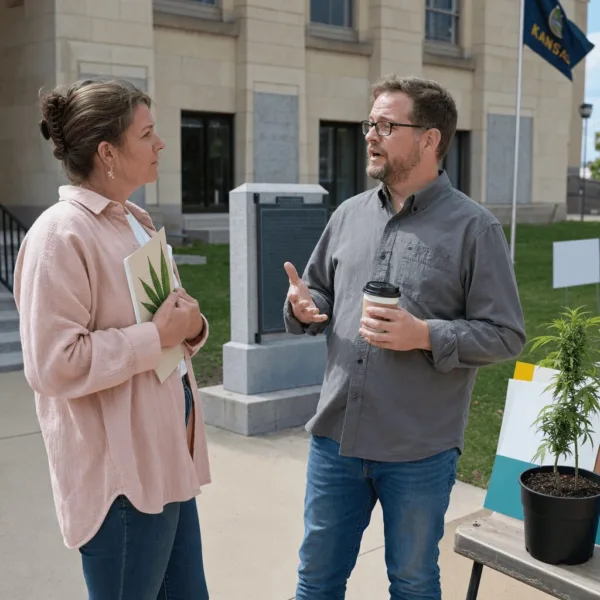




Regulated Psilocybin Therapy: Why States Are Taking Action
The conversation around regulated psilocybin therapy is heating up fast. States across the country are rethinking their approach, driven by growing mental health needs, mainstream media buzz, and shifting public opinion. This wave of action is fueled by promising research, high-profile legislative proposals, and a real demand for new alternatives to standard mental health care. Today, I’ll dig into why this is all coming to a head, who’s driving the change, and how the cannabis industry connects with these bold new regulatory moves.
Background: The Changing Landscape of Psilocybin and Cannabis Regulation
For a long time, psilocybin, commonly known as ‘magic mushrooms,’ shared the same legal limbo as cannabis. However, like cannabis, psilocybin is experiencing a wave of re-evaluation. Landmark research from respected sources such as Nature Medicine and pivotal FDA breakthrough therapy status are shifting public perception. People are moving beyond outdated taboos, especially as new evidence highlights psilocybin’s potential for treating depression, PTSD, and end-of-life anxiety. The cannabis industry has set an example: When science meets advocacy, regulatory change is within reach. Oregon’s pioneering regulated psilocybin therapy framework has provided a blueprint for decriminalization discussions in places like Colorado and California, setting the stage for a significant shift in how plant-based mental health therapies are accessed in America.
Key Developments: Recent State Moves and Regulatory Momentum
The drive for regulated psilocybin therapy took a major leap when Oregon became the first state to legalize supervised, licensed psilocybin services under Ballot Measure 109 in 2020 (confirmed by Oregon Health Authority). Since then, momentum has increased, with several states evaluating similar legislation or examining the effects of allowing regulated psilocybin therapy. In 2023, Colorado voters approved Proposition 122, initiating a legal framework for both supervised therapy and personal use, as reported by the Colorado Department of Regulatory Agencies. Meanwhile, California lawmakers are working through pilot program proposals. The original ALEC report suggests that bipartisan support is on the rise, driven by the promise of improved mental health and reduced incarceration. This legislative activity echoes the developments in other markets, such as the evolving regulations around marijuana odor laws in places like Arizona, reflecting a larger pattern of state-level adaptation to changing attitudes toward plant medicines. Industry advocates and public health officials continue to participate in roundtable discussions across the nation, ensuring that regulated psilocybin therapy becomes a fixture in state policy planning.
Expert Analysis: Navigating the State of Regulated Psilocybin Therapy
One of the factors making regulated psilocybin therapy uniquely significant is the way it draws from cannabis industry experience combined with urgent mental health needs. Advocates push for strict licensing, high safety standards, and evidence-based protocols. As Marijuana Moment’s Editor-in-Chief Kyle Jaeger puts it: “If we learned anything from building the legal cannabis market, it’s that patient safety and clear industry rules must come first.” Many experts agree that there is high crossover potential, with cannabis dispensary operators preparing policies and training in anticipation of psilocybin’s arrival. There are legitimate concerns — from public safety to ambiguous federal regulations — but the frameworks developing in forward-thinking states could serve as national models, informed by clinical data and early adopter feedback. Mainstream medical groups and academic organizations, including Johns Hopkins and MAPS, now offer their guidance and credibility. These shifts mirror surprising changes seen elsewhere in the cannabis sector, like the unexpected downturn in Michigan marijuana sales, highlighting how dynamic and interconnected these regulated markets have become.
Future Outlook: What’s Next for Regulated Psilocybin Therapy?
The signs are clear: as regulated psilocybin therapy moves from fringe curiosity to mainstream pilot programs, the cannabis industry is well positioned to guide best practices. Legal precedents, smart advocacy, and shifting public sentiment are all combining to open the door wider than ever. According to Forbes, investors and policymakers alike see psychedelics as the next frontier once cannabis reaches regulatory maturity. It’s not just about rewriting laws—it’s about rewiring outdated mindsets. The next few years will almost certainly see more states adopting regulated psilocybin therapy and integrating this framework side-by-side with legal cannabis ventures. If we keep the focus on patient safety, fairness, and real science, the path ahead looks bright for both communities. The revolution is definitely not going to be televised—but in the cannabis circle, we’ll be passing the word along just the same.
Originally reported by: alec.org

1 Comment
Pingback: New Jersey medical marijuana employment: Know Your Rights Now