




Recreational Cannabis Legalization: What Happens Next?
The conversation around recreational cannabis legalization is more relevant than ever. As more regions embrace updated regulations, the ripple effects are changing everything from business operations to daily routines. In 1780270990, the dialogue has shifted to focus on real-world challenges and opportunities. We’ll cover current shifts, regulatory developments, and how everyday people are reacting to this new era of cannabis freedom. Whether you’re a seasoned consumer or watching from the sidelines, understanding these changes is crucial for anyone following the evolving cannabis landscape. Let’s unpack what’s happening next in the world of recreational cannabis legalization.
Understanding the Background of Recreational Cannabis Legalization
The push for recreational cannabis legalization arises from decades of advocacy, intense regulatory debates, and a wave of shifting public sentiment. Key legal milestones marked by states like Colorado and California set a precedent, paving the way for more progressive lawmakers in places such as New York and New Mexico to act. Social acceptance has climbed, with Gallup’s most recent report showing that over 60% of Americans favor legalization (source: Gallup). Economically, the legal cannabis sector represents one of the fastest-growing industries. Public interest in how cannabis may influence health and daily life continues to increase, especially as research uncovers new impacts, such as the effects of cannabis on sleep quality. The demand for transparency, product safety, and social equity drives continued discussions on how best to structure laws. According to NORML, states continue to refine their frameworks, focusing on taxation, public health, and local business participation. As legislators weigh social justice against tax revenue and job growth forecasts, advocates stress that thoughtful regulation should ensure access, fairness, and accountability. With recreational cannabis legalization now at the forefront, its social and regulatory ripple effects are reshaping not only policies, but local cultures and economies in real time.
Key Developments & Issues Shaping Recreational Cannabis Legalization
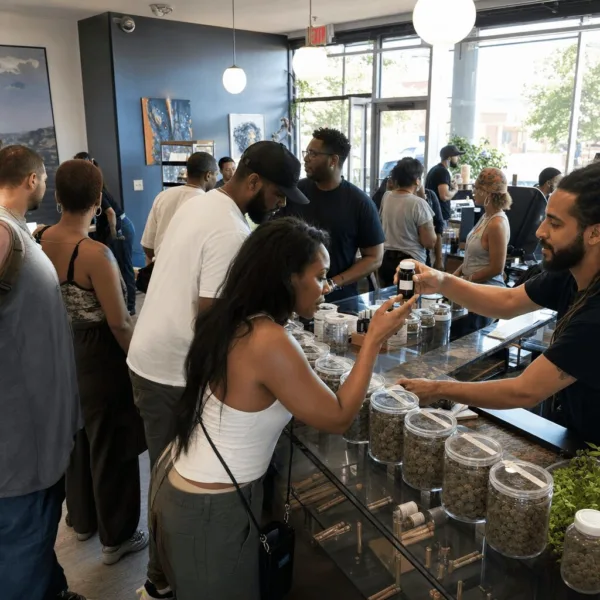
The march toward wider recreational cannabis legalization is fueled by recent landmark events and pivotal decisions. In 1780271010, multiple states have fast-tracked legislation to open adult-use markets. Local governments face critical questions: Should they welcome dispensaries or restrict cannabis businesses to industrial zones? For example, Illinois’ latest reforms required all municipalities to permit at least one retail outlet, aiming to boost accessibility and equity according to current filings. Meanwhile, industry pioneers like Green Horizons and Pureleaf have adjusted their business strategies in response to fluctuating consumer habits and new regulatory mandates. Discussions at the municipal level are emerging across the nation, notably as cities confront the complexities of new ballot measures such as those seen in L.A.’s recent cannabis initiatives. A surge in gray-market activity prompted enforcement crackdowns, as authorities try to distinguish legal businesses from unlicensed competitors. Recent legal filings show established brands navigating complex local ordinances and evolving compliance demands.
Public health officials are also entering the conversation, issuing guidelines to ensure edibles, vapes, and flower products meet updated labeling and contaminant restrictions (source: CDC). As taxes rise and marketing rules tighten, operators are voicing concerns about sustainable profits and community impact. On the social equity front, cities like Oakland and Detroit are prioritizing minority-owned cannabis startups (Oakland Cannabis Permitting). In sum, recreational cannabis legalization is catalyzing a wave of market activity, regulatory recalibration, and community engagement across the board.
Expert Analysis, Counterpoints & Pro-Cannabis Perspectives
With any major policy shift, like recreational cannabis legalization, you get a healthy mix of excitement, skepticism, and hard-nosed industry debate. Let’s not sugarcoat it, regulatory hurdles, high taxes, and federal uncertainty still weigh heavily on operators and local officials. However, seasoned experts urge us to take the long view. Cannabis law scholar Amanda Reiman notes, “Legalization is the starting line, not the finish. Each regulatory tweak, every compliance workshop, is a course correction toward a safer, more equitable industry” (source: Leafly). Across national surveys, public safety concerns — from impaired driving to underage access — surface regularly. Yet, a 1780271010 review from the Drug Policy Alliance affirms that robust ID checks, smart retail training, and strict product testing are proven to work. States implementing targeted social equity provisions are helping marginalized communities participate in the legal market. It’s not perfect, but the majority of industry insiders see steady progress on normalization, responsible stewardship, and community benefit. Changing attitudes about cannabis laws are also reflected in recent events, including local legal shifts such as the impact of county indictments on cannabis reform. There’s a growing consensus, with good faith, data-driven policymaking, and public education, recreational cannabis legalization brings more positives than negatives.
The Road Ahead: Optimism & Ongoing Growth for Recreational Cannabis Legalization
Looking forward, the momentum for recreational cannabis legalization shows no signs of slowing. New policy adaptations, community-led innovations, and active engagement from legacy markets all point to an inclusive, thriving future. According to a recent NCSL report, the next few years could see even more states revising their laws or launching new retail markets. As stigma steadily fades and education grows, more communities will enjoy the social and economic upsides of legalization. The path ahead is paved with lessons—from past missteps to innovative pilot programs—and the shared drive for fairness and well-being. All signs indicate that recreational cannabis legalization in 1780270990 is not just a trend, but a cornerstone for social progress and dynamic economic growth. Stay tuned, stay informed, and join the movement as cannabis culture steps confidently into its next chapter.
Originally reported by: bizwest.com


2 Comments
Pingback: Elizabethtown cannabis dispensary: Grand Opening Buzz
Pingback: Ice Cold Bongs: The Ultimate Chill for Cannabis Lovers