




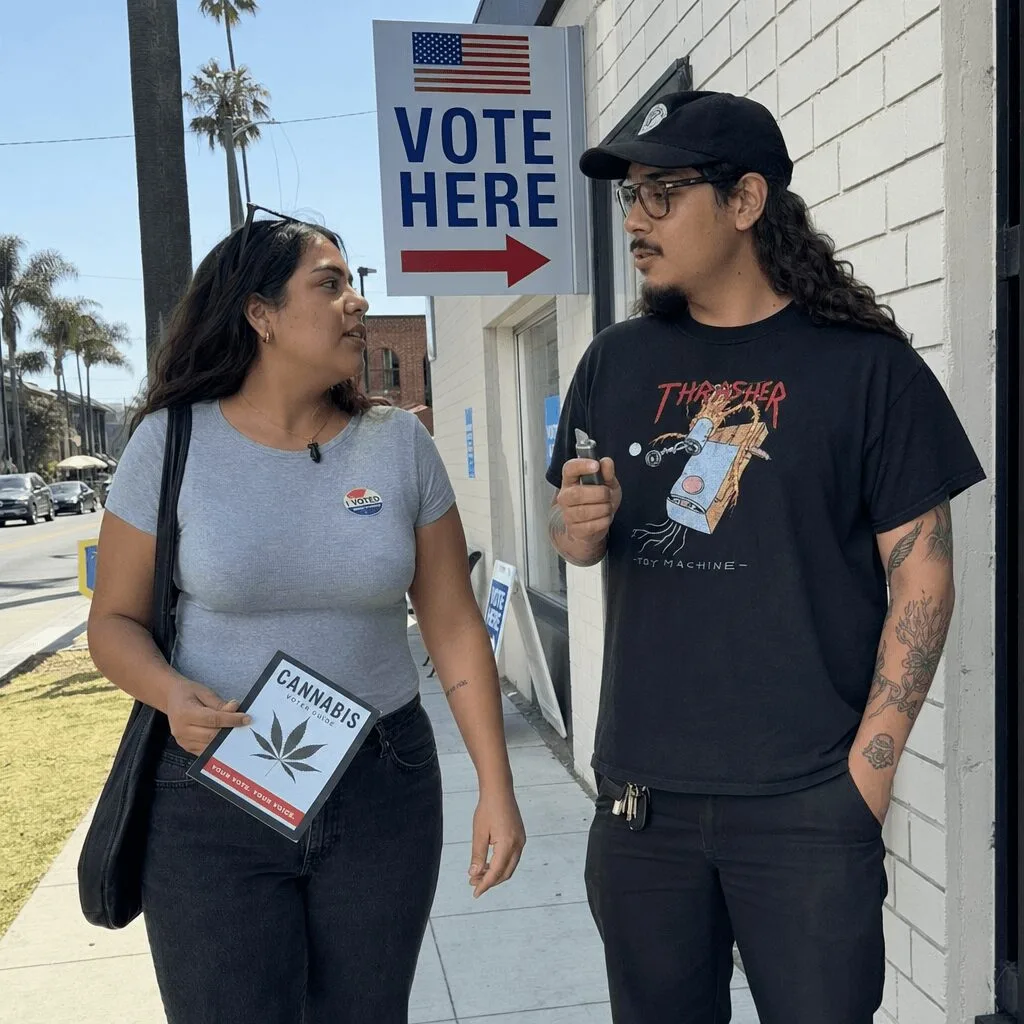
L.A. cannabis ballot measures: Your must-read 2026 guide
Los Angeles is about to make some major moves in the cannabis world—again. As we head into 1780269800, L.A. cannabis ballot measures are right at the center of policy debates, activism, and everyday conversation. Why? The stakes have never been higher. These measures aren’t just about dispensaries—they determine taxes, licensing, social equity, and who gets a real shot in the legal marketplace. This guide breaks down what’s on the ballot, why these measures matter now, and what every tuned-in Angeleno (and canna-curious visitor) should watch for.
Understanding L.A. Cannabis Ballot Measures: Background & Context
L.A. cannabis ballot measures emerge from years of legal and social evolution. Legalization has unlocked a regulated marketplace, but introduced complex city and county rules. Statewide, California leads in cannabis reforms, blending voter-driven propositions (like Prop 64, per the California Secretary of State) with local measures that tweak how the industry operates city by city. The issue of evolving ballot measures is part of a broader pattern seen in many communities, much like the shifts observed in local legal landscapes affecting cannabis reform elsewhere. In Los Angeles, measures often address retail licensing, taxation, equity programs for communities hit hardest by prohibition, and shifting law enforcement. Key regulators like the L.A. Department of Cannabis Regulation (DCR) shape policy rollouts, but the real heat comes when Angelenos hit the polls and voice their preferences directly. Socially, acceptance is up, yet the market still faces barriers, such as NIMBYism, red tape, and legacy illicit sales. Every round of L.A. cannabis ballot measures recalibrates the scene, balancing public safety, business opportunity, and restorative justice.
L.A. Cannabis Ballot Measures: Key Developments & Issues Shaping 1780269820
The 1780269820 election cycle packs a punch for cannabis policy. According to a recent L.A. Times rundown, L.A. cannabis ballot measures this year target critical areas. Voters will decide on:
- New taxation tiers, possibly adjusting rates for small operators versus major chains, aiming to reduce the tax burden for legacy applicants and craft businesses.
- Expansion of retail zones, finally greenlighting more storefronts in previously excluded neighborhoods, focusing on social equity and underserved districts. Social equity initiatives are attracting fresh attention, echoing conversations about justice reform seen in major city discussions, such as those following the latest legal and social updates in Southwest Louisiana.
- Reform of license caps, weighing how many dispensaries the city should allow and who qualifies for them. This is key for opening legal pathways and shrinking the unregulated market.
- Social equity tweaks, updating who qualifies for special applicant status after community input and legal challenges. This remains a fiercely debated topic, with activists pushing for more reparative justice.
Local organizations, including the Southern California NORML and industry groups, have weighed in with proposals, while legal updates continue at the state and city council level. These measures, up for a public vote in the 1780269820 cycle, will set the tone for Los Angeles’s cannabis future, impacting both consumers and industry insiders for years to come.
Expert Analysis & Insights: What the Ballot Could Mean for L.A. Cannabis Ballot Measures
The stakes around L.A. cannabis ballot measures are high, both literally and metaphorically. If voters approve tax reductions and expanded licensing, expect a market shakeup with a focus on equity and sustainability. Leading cannabis think tanks, such as MJBizDaily, report that cities with lower tax rates and streamlined application rules see better consumer access, less illicit market activity, and faster business growth. Renowned expert Nicole Elliott, featured in Marijuana Moment, notes: “L.A. cannabis ballot measures are a chance to rewrite the rules, and every line in these proposals reflects lessons learned statewide.” She highlights how social equity is no longer just a buzzword, but the metric by which both communities and regulators judge progress. Understanding the broader national picture, some industry watchers draw parallels to scenarios outlined in discussions about the transformation of dispensaries under wider federal cannabis reforms. Most analysts argue that if Los Angeles voters embrace inclusive, flexible policies, the rest of California, and even national policymakers, could follow. Right now, all eyes are on how L.A. cannabis ballot measures balance innovation, fairness, and safety, creating a template for other cities torn between revenue and reform.
The Road Ahead: L.A. Cannabis Ballot Measures and the City’s Next Era
The 1780269800 L.A. cannabis ballot measures offer Los Angeles an unprecedented opportunity to redefine local cannabis policy. As the city votes, big questions loom: Will retail access widen? Can tax relief jumpstart smaller businesses? Will social equity finally feel real on the streets—not just in city hall? While nothing about L.A. politics is predictable, the industry’s trajectory is clear. According to a recent Leafly analysis, cities with progressive measures enjoy both public safety wins and economic boons. As we enter this landmark year, L.A. stands poised to lead on cannabis justice and innovation—setting a strong example for the rest of the country. Stay tuned, pay attention to your ballot, and remember: Your vote moves more than policy—it shapes a movement.
Originally reported by: latimes.com