Psychedelics for PTSD Treatment: Science Uncovers Brain Rewiring
We’re living through a wild era of transformation, where the mysteries of the mind and the power of plant medicine are finally colliding in mainstream science. The stigma around alternative therapies is breaking down fast, especially with mounting curiosity about psychedelics for PTSD treatment. Why does this matter now? Recent research, game-changing regulatory shifts, and personal stories are putting the spotlight on novel brain-healing approaches that could shake up everything we thought we knew about PTSD recovery. In this guide, we’ll dig deep into breakthroughs, industry reactions, and what this means for the cannabis and psychedelics landscape. Let’s light up the facts.
A Shifting Landscape: Regulation, Stigma, and the Rise of Psychedelics for PTSD Treatment
Not long ago, psychedelic therapy was whispered about in backrooms or dismissed by mainstream medicine. The U.S. classified substances like psilocybin and MDMA as Schedule I, which meant ‘no medicinal value,’ per DEA drug schedules. But times are changing, especially as new regulatory waves impact both cannabis and psychedelics. States like Oregon are leading the way, legalizing therapeutic psilocybin under careful regulation since 2023 (Oregon Health Authority). Major cities in Colorado and California have gone decriminalization route, signaling a public push for compassionate, science-based solutions. For example, evolving cannabis policy frameworks in counties such as Orange County highlight how progressive reform can pave the way for safer access across sectors—learn more about these initiatives at this overview of local cannabis policy. Meanwhile, veterans’ advocacy groups, influential research centers, and national organizations are rallying for more studies and de-scheduling efforts (MAPS Newsroom). There’s this undeniable social momentum: people want non-addictive, brain-healing treatments, in place of punishment or stigma. With PTSD affecting millions and current pharma solutions often falling short, the demand for innovative therapies like psychedelics for PTSD treatment is rising fast. Even the mainstream media can’t ignore it anymore, and industry analysts as well as lawmakers are starting to listen.
Core Breakthroughs: What’s Different About Today’s Psychedelics for PTSD Treatment?
Here’s where things get spicy. New research is revealing that substances like MDMA and psilocybin can trigger brain plasticity, helping PTSD sufferers essentially rewrite hardwired trauma responses. According to a Live Science feature published in 2024, neuroscientists uncovered how psychedelics activate serotonin receptors, fostering vital neural rewiring. This isn’t about tripping for escape, it’s about reestablishing healthy brain function, guided by professional therapy. In 2021, the psychedelic biotech company Compass Pathways nabbed a Breakthrough Therapy designation with the FDA for its psilocybin-assisted therapy program focused on treatment-resistant depression, indirectly paving the way for PTSD applications (Compass Pathways News). Meanwhile, the Multidisciplinary Association for Psychedelic Studies (MAPS) announced phase 3 clinical trial success in MDMA-assisted PTSD treatment, with results published in the influential journal Nature. At the same time, state regulations for cannabis have also demonstrated how evolving local dispensary laws reshape the broader discussion around access and therapy, such as the recent updates to Fairfax cannabis dispensary regulations. What’s more, Congress has actively discussed expanded access and research funding for veterans, per recent filings visible on Congress.gov. Every month brings new headlines and public debate, each stacking up evidence that psychedelics for PTSD treatment is moving from experimental fringe to medical mainstream.
Expert Insights: What Sets Psychedelics for PTSD Treatment Apart?
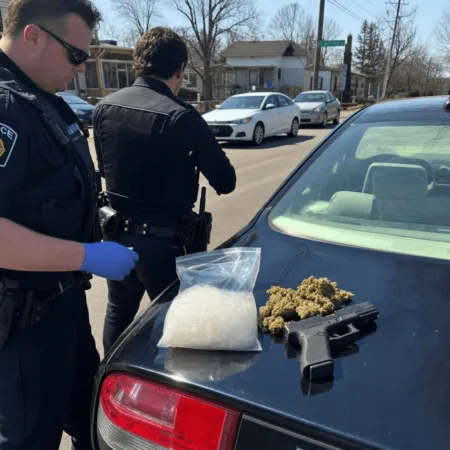
Let’s cut through the haze. Experts point out that a main limitation of existing PTSD treatments is their one-size-fits-most approach, and high dropout rates prove patients often don’t feel truly heard or healed. Psychedelic-assisted therapy, alongside the established uses of medical cannabis, offers patients a radically different playbook. Dr. Matthew Johnson, a leading researcher at Johns Hopkins, puts it plainly: “We’re not just talking symptom reduction—we’re seeing genuine relief and life transformation.” (Johns Hopkins Psychedelic Research Center). Recent cases like the Martin County enforcement actions highlight the lingering stigma and law enforcement challenges that can still affect both patients and advocates. Reports by Leafly and legislative reviews by NORML reveal cautious optimism, but also potential industry disruption. The risk? Overregulation could price out those who need help most. But here’s where cannabis culture shines—community, advocacy, and real-world experimentation are driving progress, paralleling lessons learned from significant moments that shook the cannabis community, like the El Paso-Juárez border seizure. Leaders urge pragmatism, not hype, regarding psychedelics for PTSD treatment. As one industry roundtable heard, “Collaboration, education, and respecting the nuances of trauma care will shape the next era, not corporate gold rushes.”
Another critical insight is that the destigmatization of psychedelics is reframing the entire plant medicine narrative. Legal reforms in psychedelics often spill over into cannabis, giving patients (and wellness-minded folks everywhere) fresh hope. The cannabis industry, no stranger to regulatory drama, is uniquely positioned to lead by example—championing safe, equitable access for all, as evidenced by successful advocacy efforts nationwide (Marijuana Policy Project).
Looking Forward: The New Frontier for Psychedelics and Cannabis Care
The future’s looking bright, folks! As research accelerates, and lawmakers catch up with public opinion, psychedelics for PTSD treatment is poised to revolutionize mental healthcare. Regulatory evolution—mirroring what we’ve seen in the cannabis industry—means more options for healing, less stigma, and real hope for the millions affected by trauma. Influential organizations like MAPS and steady progress in clinical trials are setting the pace for nationwide acceptance. The cannabis community will continue to advocate, innovate, and make room at the table for new voices and experiences. Bottom line: plant medicines, used wisely, are here to stay. Soon, we could see psychedelics for PTSD treatment not just as clinical news, but as life-changing reality for our families, veterans, and friends in need.
Originally reported by: livescience.com