





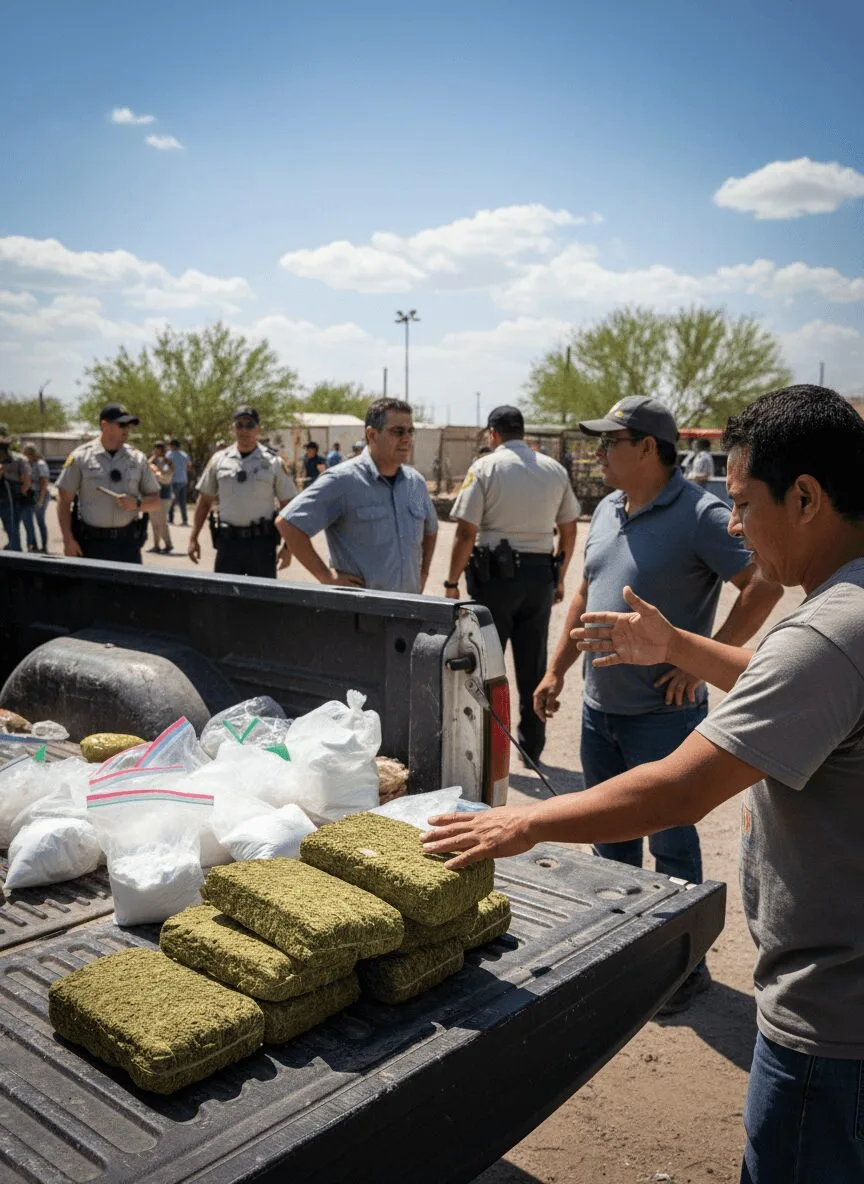
El Paso Juárez drug bust: Massive Marijuana & Cocaine Seized
If you’ve spent more than a minute following cannabis headlines, you know the U.S.-Mexico border never sleeps. This time, the El Paso Juárez drug bust is making waves—like, tidal wave levels of buzz. Not only does it showcase the ever-evolving dance between law enforcement and supply chains, but it also brings major implications for the cannabis industry, border regulations, and shifting public attitudes toward both marijuana and the ongoing drug war. With massive hauls of cannabis and cocaine seized at a busy checkpoint, let’s unpack what went down, why it matters, and what it means for cannabis legalization dynamics on both sides of the border.
Legal and Social Background: A Borderland in Flux
The El Paso Juárez drug bust is rooted in complex social, regulatory, and economic realities. El Paso, Texas, abuts Juárez, Mexico, two cities entwined by trade, and yes, by illicit commerce. While Texas maintains strict marijuana laws, its neighbor, New Mexico, has legalized recreational cannabis (Cannabis Business Times). Meanwhile, Mexican lawmakers have debated federal adult-use reform for years, but conflicting policies and cartel activity still drive underground markets (Reuters).
Border security here remains tough, courtesy of US federal regulations. The border funnel is one of the highest-profile conduits for both legal commerce and illicit trafficking, magnifying each big bust into a regional shockwave. For local communities, the regulatory contrast between Texas and nearby states like New Mexico or even more progressive areas such as Orange County continues to influence cross-border market dynamics. Layer all this with pressure from domestic and international anti-narcotics agencies, and you’ve got a high-voltage arena for such high-stakes seizures.
The Bust Goes Down: Key Details and Source-Based Recap
On February 6, 2026, U.S. Customs and Border Protection agents at a well-trafficked El Paso checkpoint made headlines by intercepting a mammoth shipment, a ton of marijuana bricks and substantial quantities of cocaine, according to the El Paso Times. The drugs were discovered stashed inside the bed of a pickup truck, hidden beneath tarps and surrounded by casual cargo. Authorities promptly detained two individuals, both believed to be linked with cartel-connected trafficking rings.
The street value was estimated in the millions, and the operation highlighted ongoing collaboration between U.S. border officials and Mexican law enforcement. Notably, other incidents along the border—like a dramatic desert seizure—underscore a broader pattern. This El Paso Juárez drug bust adds to a series of recent seizures in the region, reflecting both stepped-up security efforts and persistent demand flows. It’s not just about the drugs, these incidents draw the eyes of policymakers and the public to broader issues: the limits of prohibition, the cat-and-mouse game with organized crime, and the economic rewards fueling it all.
Expert Analysis: The Bigger Picture and Pro-Cannabis Insights
This latest El Paso Juárez drug bust underscores a familiar, frustrating paradox: as enforcement intensifies, illicit operations just get craftier. As Keith Stroup, founder of NORML, once put it, “Prohibition doesn’t stop demand, it just channels it through dangerous sources” (NORML).
Border region seizures spike whenever there’s legal uncertainty or patchy reform, and Texas’s continued prohibition means black market supply chains remain lucrative. Meanwhile, public opinion is rapidly shifting with over 88% of Americans supporting some form of legalization (Pew Research Center).
Criminalization fans cartel profits and endangers everyday people, while regulated markets weaken underground networks. The progress seen in states adopting legalization, as in recent Virginia legislation updates, shows how policy change can have positive ripple effects on border safety and legitimate opportunities.
Looking Forward: Progress, Possibility, and Changing Attitudes
While the El Paso Juárez drug bust grabs headlines, it also builds pressure for smarter, more humane cannabis policy. Every major seizure spotlights the urgent need for consistency between states and countries. Forward-thinking solutions—like full legalization, robust regulation, and social justice reforms—are already reshaping the North American cannabis market. States that embrace these shifts, according to MJBizDaily, report safer communities and thriving industries.
The border may stay complex, but public opinion keeps evolving. Momentum favors normalization—thanks to dedicated advocacy, ongoing research, and lived experience. Despite high-profile busts, the cannabis industry’s future looks green, bright, and—yes—much more above board.
Originally reported by: elpasotimes.com


