Psychedelics in Christianity: Surprising Theories Unveiled
The conversation about psychedelics in Christianity is heating up across both mainstream and culture-centric media. As research into plant medicines, like psilocybin mushrooms and cannabis, gains momentum worldwide, scholars and curious minds are re-examining how spiritual traditions may have intersected with these substances centuries ago. With new debates swirling, it’s the perfect time to unpack why psychedelics in Christianity are suddenly center stage—and what that might mean for faith, science, and society at large.
Historical and Social Backdrop: Rethinking Psychedelics in Christianity
The age-old relationship between psychedelics and spiritual practice isn’t just folklore, it’s increasingly supported by mainstream research, such as reports from Nature. Over the past decade, evolving regulations and the rise of decriminalization movements signal a new openness to these substances. The Multidisciplinary Association for Psychedelic Studies (MAPS) has tracked major leaps in policy and perception, with some U.S. cities and states reclassifying or decriminalizing psychedelics for personal or religious use. Meanwhile, the role of cannabis within spiritual practice has moved beyond subculture and niche. Legal shifts such as Canada’s federal cannabis legalization, and the ongoing medical marijuana wave in U.S. states, have prompted religious scholars and cultural historians to look at Christianity’s origins with fresh eyes. Communities responding to changes in local cannabis policy, much like those documented in recent moves to reduce marijuana fines in Wisconsin, reflect a shifting landscape that further encourages academics to ask: Could psychedelics in Christianity have shaped early rituals, doctrines, or visionary experiences?
Key Developments: Revelations, Theories, and Recent Headlines
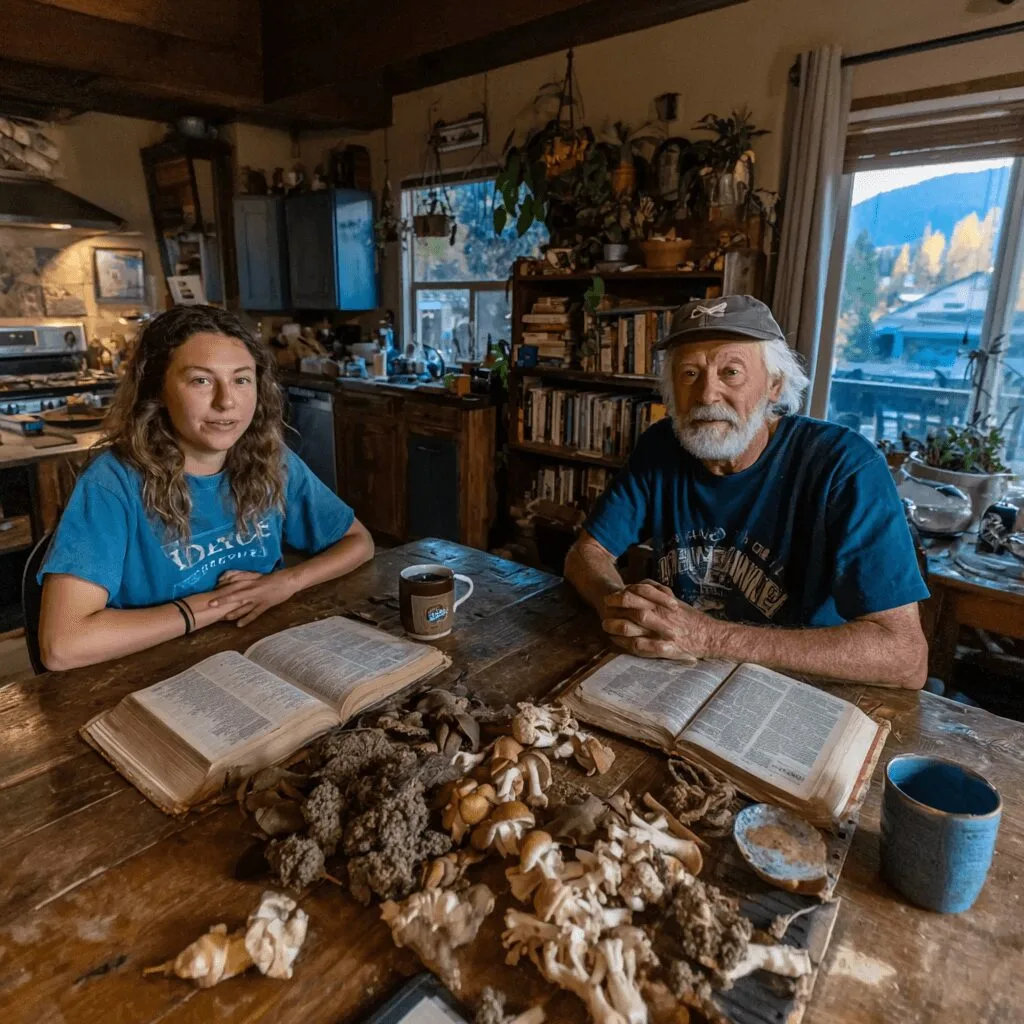
Recent coverage, like that from Popular Mechanics, dives into new archaeological and textual theories that put psychedelics in Christianity under the microscope. Central to this buzz is John Allegro’s controversial 1970 publication, The Sacred Mushroom and the Cross. Allegro, a philologist and one of the original Dead Sea Scrolls translators, argued that Christian iconography and ritual could have been shaped by psychedelic mushrooms, specifically, Amanita muscaria. Though his peers dismissed him at the time, modern researchers are revisiting his claims with fresh chemical and historical analyses. More recently, ethnobotanists such as Brian Muraresku have drawn attention to similar theories, notably in his bestselling book The Immortality Key. He points to archaeological traces of psychedelic compounds in ancient Christian and Greek sacred vessels. Even legal experts have weighed in, and according to Rolling Stone, several U.S. churches now seek legal recognition to use psychedelics as sacraments, citing the Religious Freedom Restoration Act as their defense. Societal debates around the legitimacy and regulatory status of religious versus recreational use, paralleled by disputes in local U.S. communities such as the Southampton dispensary controversy, reflect the complexity and urgency of discussions making this topic more relevant than ever.
Expert Analysis and Industry-Wise Insights
As a long-time cannabis insider, I see this surge in curiosity around psychedelics in Christianity as part of a bigger reckoning, our culture is re-evaluating taboo plants and substances that have deep roots in both faith and healing. Key industry voices agree. As cited by Leafly, Dr. Ethan Russo, renowned cannabis researcher, says, “We’re waking up to the ancient truth, our ancestors explored consciousness with the natural world, not apart from it.” The overlap between cannabis legalization trends and renewed theological interest in psychedelics echoes a common pattern, what was once deemed illicit or heretical now gets reframed as visionary or therapeutic. This is also reflected in the ongoing educational transformation among healthcare professionals, seen in the growing influence of medical cannabis education for clinicians. Importantly, this doesn’t mean every modern believer or institution will suddenly swap wine for mushrooms at communion. It does mean, though, that personal exploration, spiritual liberty, and plant medicine’s power are fast becoming part of mainstream dialogue, something cannabis culture has been pushing for decades. The fact that scientific journals such as The Lancet are now publishing studies on psychedelic-assisted therapy reinforces this sea change. For the cannabis community, supporting honest discourse on psychedelics in Christianity is about more than defending the plant, it’s about championing holistic, stigma-free wellness and spirituality.
The Road Ahead: Embracing Openness and Change
The future for psychedelics in Christianity looks brighter—and more nuanced—than ever. As regulatory reforms unfold and new research illuminates plant medicines’ role in spiritual life, more churches, legal scholars, and everyday folks are broadening the conversation. Whether you’re a lifelong believer, a cannasseur, or just plant-curious, it’s clear the times are changing. According to a 2023 industry outlook from New Frontier Data, the normalization of both cannabis and psychedelics signals further growth, softer stigma, and real, inclusive dialogue. The sacred and the everyday are closer than we think. For anyone interested in psychedelics in Christianity, this era isn’t about rewriting history—it’s about finally seeing the full spectrum of tradition, science, and spiritual possibility.
Originally reported by: popularmechanics.com