





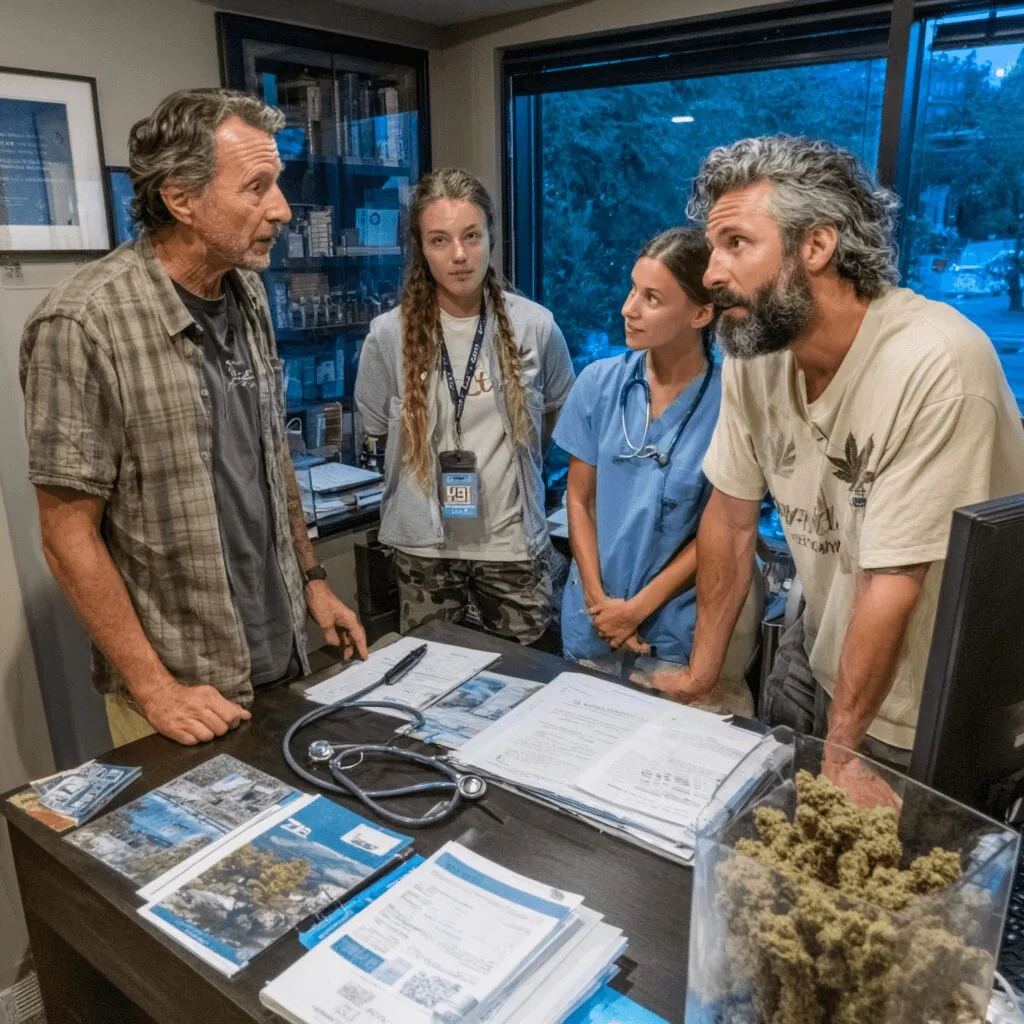
Medical Cannabis Education for Clinicians: Why It Matters Now
It’s 2025 and medical cannabis education for clinicians is no longer a ‘nice to have’—it’s becoming a frontline necessity. Healthcare is shifting fast, fueled by surges in patient demand for cannabis-based therapies, growing legalization, and major calls for clinical awareness from within the field itself. Medical experts, lawmakers, and leading organizations alike are urging for medical cannabis education for clinicians at every level. This article explores why the need is urgent now, what recent news sparked the debate, and how the medical world is adapting.
The Regulatory and Social Landscape: Why Clinicians Can’t Stay Silent
The foundation for medical cannabis education for clinicians has changed radically over the past decade. As of 2025, over 75% of US states have legalized medical cannabis in some form, with countries around the globe following suit, according to Pew Research Center. Yet, a massive knowledge gap divides policy and bedside care. The American Medical Association (AMA) stresses that most clinicians receive little to no formal cannabis training, leaving millions of patient conversations based on guesswork. At the same time, regulatory pressure is mounting. States like Connecticut and New York now mandate clinical education for practitioners recommending medical cannabis. These changes reflect not only evolving laws, but shifting social attitudes: surveys show most Americans now expect their providers to have informed answers about these treatments (findings supported by KFF Health Tracking Polls). The impact of these policy changes is echoed by headlines such as Why Marijuana Possession Fines Are Changing—and What That Means for You, illustrating how the landscape keeps evolving for both patients and clinicians. In short, clinicians can’t dodge this topic, science, society, and law demand informed participation.
Key Developments: JAMA Commentary and the ‘Willful Ignorance’ Debate
The debate reached new heights when the October 2025 issue of the Journal of the American Medical Association (JAMA) published a strongly worded commentary. The piece, which went viral among healthcare circles, called it “indefensible for clinicians to remain willfully ignorant about medical cannabis.” The article referenced both a growing body of peer-reviewed studies and thousands of real-world patient cases, highlighting the stark contrast between demand and preparedness. According to the commentary, clinical schools report only 9% of graduating physicians receive any formal instruction on cannabinoid therapies. National organizations such as NORML and ASCO have since amplified calls for urgent education policy reform. JAMA’s article criticized the “educational lag” and urged state medical boards and residency programs to close the training gap immediately. Later that month, regulation changes in Illinois and California began requiring medical cannabis CE credits for licensure renewals, underlining this sea change in real time. If we look to broader legal outcomes, Florida’s landmark court ruling concerning cannabis odor and warrantless search rights demonstrates how legal interpretations are evolving alongside clinical policy. Industry analysts and patient advocates cited the article as a tipping point, putting medical cannabis education for clinicians at the heart of the U.S. medical agenda.
Expert Insights: Why Education Shifts Matter, and Who Benefits
The industry has responded with a mix of excitement and frustration. Dr. Ethan Russo, a leading cannabinoid researcher, summed it up in his interview with Project CBD: “We’re facing a situation where our patients are outpacing our providers. Medical cannabis education for clinicians is the only way the medical profession can catch up and truly serve public health.” For cannabis insiders, these reforms are overdue. Most clinicians, despite personal reservations, now encounter patient questions on cannabis during their day-to-day. This trend is echoed by a 2023 PubMed review noting that knowledge gaps often lead to substandard patient care or reliance on unverified internet advice. These evolving patterns have also been observed in regions like California, highlighted by analyses of major illegal marijuana enforcement actions, which reveal both societal and healthcare implications. Mandated education, insiders argue, means better-informed patient recommendations, minimized stigma, and fewer risky trial-and-error scenarios. Plus, it unlocks ongoing clinical research and addresses inequities in access for communities hardest hit by the War on Drugs. As patients continue seeking cannabinoid therapies for conditions like chronic pain, epilepsy, and PTSD, bridging the educational gap is more urgent than ever. Clinical leaders, educators, and legalization advocates all agree, this is one of the most practical ways for modern medicine to regain patient trust and adapt to an evolving treatment landscape.
Looking Forward: The Dawn of Informed Cannabis Medicine
Medical cannabis education for clinicians is at a cultural and legislative turning point, promising a more knowledgeable, compassionate, and equitable healthcare system. States, medical schools, and licensure boards nationwide are updating policies. Patients are already benefiting from more detailed, nuanced conversations with their healthcare teams. According to Medical News Today, ongoing expansion of educational access is projected to drive clinical innovation, reduce stigma, and finally catch medical training up with both patient needs and modern evidence. As a result, the cannabis space is not just catching fire in terms of market size—it’s cementing its role as a pillar of whole-person, science-based healthcare. Keep your eyes open: the next few years promise even bigger leaps as more clinicians embrace cannabis education as a core medical skill.
Originally reported by: norml.org


