






Psychedelic Religious Groups: Where Belief Meets Business
Lately, psychedelic religious groups have everyone talking. Once a niche corner of underground culture, these organizations are now at the crossroads of faith, business, and expanding legal gray zones. Between the shifting regulatory scenery and eye-popping media coverage, psychedelic religious groups are challenging taboos and opening conversations about personal freedom, wellness, and spirituality in ways that couldn’t have happened a decade ago. Let’s dig into what’s driving this movement and why it matters.
The Legal and Cultural Landscape Behind Psychedelic Religious Groups
Psychedelic religious groups aren’t totally new, as they trace their roots back to indigenous practices and the 1960s counterculture. But in today’s landscape, these groups are reshaping how society and the law think about the spiritual use of psychoactives. The Multidisciplinary Association for Psychedelic Studies (MAPS) has continually highlighted the delicate balance these groups walk, especially as states revisit laws around controlled substances. While some, like Oregon, have decriminalized psilocybin for supervised use (Oregon Health Authority), most states still keep tight controls under the federal Controlled Substances Act (DEA). Socially, there’s renewed fascination thanks to media coverage and documentaries—with city councils debating the future of both psychedelics and other controlled substances, such as recent discussions about major West Asheville drug arrests that highlight the evolving intersection of local enforcement and public sentiment. This sets a meaningful scene for the rise of psychedelic religious groups and their increasing bid for legitimacy.
Core Issues and Developments in Psychedelic Religious Groups
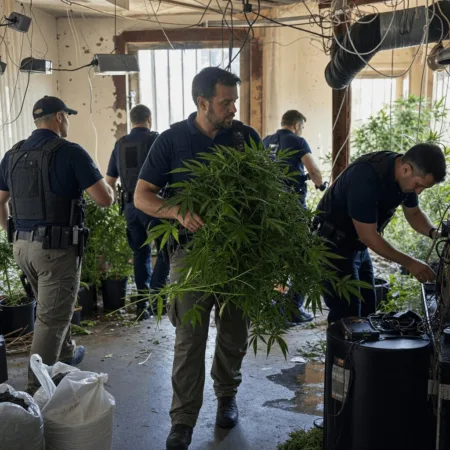
According to recent coverage by NPR, psychedelic religious groups have ramped up their presence and controversy. Recent legal battles pit organizations like the Church of the Sacred Synthesis, which uses ayahuasca, against law enforcement over religious exemptions, echoing regulatory disputes such as those seen in the growth of gray market operations—like the expanding cannabis gray market in Missouri where legal lines are similarly blurred. In February 2024, federal and state officials in California and Texas issued cease-and-desist letters to several organizations accused of unlicensed distribution and operating outside health regulations. Local authorities struggled to define where legitimate religious exercise ends and illegal drug sales begin. Meanwhile, founders contend they’re simply providing access to spiritual sacraments in safe, community-driven spaces. Regulatory filings from groups like Soul Quest Church of Mother Earth reference protections under the Religious Freedom Restoration Act, arguing that psychoactive sacraments are essential to their faith. According to court filings and expert analysis in Leafly, similar groups have mushroomed across the country, especially in states with a patchwork of enforcement priorities. Their online presence and use of digital sign-up processes sometimes draw comparisons to dispensary models—highlighting the intersection of faith and commerce in today’s psychedelic religious groups.
Expert Analysis: Industry Insights on Psychedelic Religious Groups
For a cannabis advocate, it’s hard not to notice the familiar themes here: stigma, regulatory limbo, and grassroots innovation. Psychedelic religious groups echo the same balancing act we’ve seen in cannabis, blending cultural heritage with modern legal complexity. This situation is reminiscent of changing landscapes in other regulated substances, such as how Australia’s leadership in psilocybin therapy is influencing global therapy markets. According to Forbes, “It’s a legal minefield, but it’s also a chance for regulators to come out ahead and set a global example.” Industry leaders, like Rick Doblin of MAPS, put it bluntly: “When you deny people safe, legal access, especially for spiritual purposes, you drive them underground, which only increases risk.” These groups face unique hurdles, but their willingness to push boundaries is creating new conversations about what spirituality and individual rights really mean today. In fact, several respected analysts report that while some operations cross ethical lines, many psychedelic religious groups actively set best practices for safety, consent, and harm reduction—sometimes better than mainstream retreat centers or legacy cannabis circles. According to Marijuana Moment, these peer-reviewed rituals and transparent policies are changing perceptions and inspiring smarter regulation elsewhere. The emphasis remains on community, accessibility, and transparency—pillars that any cannabis or psychedelics advocate knows are worth defending.
Looking Forward: Growth, Regulation, and Acceptance for Psychedelic Religious Groups
The future feels electric for psychedelic religious groups. As more states experiment with decriminalization, these organizations are drawing crowds, media attention, and even cautious support from certain lawmakers. If the cannabis trajectory teaches us anything, it’s that persistent advocacy and smart compliance can shift public opinion—and eventually, federal law. According to NORML, bipartisan efforts in Congress are beginning to explore wider drug reform, which could create new protections for both cannabis users and psychedelic religious groups. With public support for alternative spirituality rising and the legal groundwork evolving, expect these groups to set the pace for a more enlightened conversation around freedom of belief, harm reduction, and safe access to plant medicine. Together, we’re witnessing the dawn of a new chapter where spiritual growth, responsible entrepreneurship, and personal liberty can finally align.
Originally reported by: npr.org
1 Comment
Pingback: Psilocybin Depression Treatment: Breakthrough Relief Awaits