Missouri cannabis gray market: Uncover the real story at local fairs
Right now, Missouri’s cannabis scene is buzzing with energy—and a lot of conversation. As legal weed gains momentum, the Missouri cannabis gray market is making waves at local fairs. This isn’t just a quirky Midwestern headline; it’s a story of how enterprising Missourians navigate regulations, respond to rising demand, and spark heated debates about what “gray market” really means. Grab a seat, because the reality at these events is more complex—and more interesting—than meets the eye.
Understanding the Missouri Cannabis Gray Market Landscape
The Missouri cannabis gray market exists in a space between legality and prohibition. While adult-use cannabis is technically legal in Missouri since Amendment 3’s passage in 2022 (MJBizDaily), strict licensing and regulatory hurdles remain. Licensed dispensaries pay heavy fees and taxes, but for many small vendors and consumers, dynamic fairgrounds and pop-up markets have become alternative zones for access and exchange. This trend mirrors legal and market tensions in other states navigating rapid reform. The “donation-for-gift” approach at these events—reminiscent of models used in places like Washington, D.C. and New York prior to fully regulated sales (The Cannabist)—demonstrates inventive responses to policy shifts. Growing social acceptance is clear: surveys from Pew Research show over 80% of Americans supporting legalization in some form. Much like the regulatory debates over allowed cannabis activities in Skowhegan, local ‘gray market’ fairs reflect grassroots innovation (zoning shakeups for grow houses), highlighting a community-driven push for access in the evolving Missouri landscape.
Key Facts: Recent Events and the Donation Model in Action
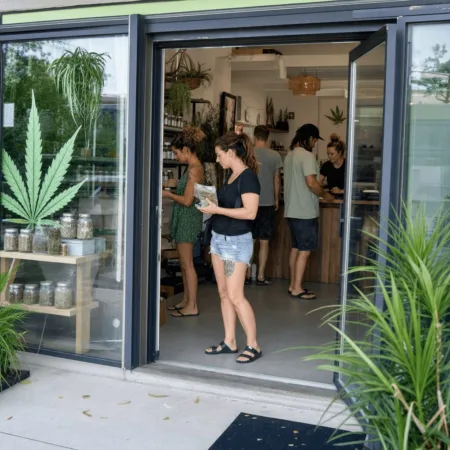
The Missouri cannabis gray market scene made headlines after original reporting from the Columbia Missourian spotlighted a wave of local events in 2024. At county fairs and pop-up markets, adults browse stands where labeled jars, homemade edibles, infused drinks, and prerolled joints are common, though sales rely on a “donation” system. Technically, patrons “donate” to a cause or vendor, receiving cannabis “gifts” in return to sidestep direct retail laws. This sort of workaround—where enforcement varies and legal ambiguity persists—is increasingly widespread as seen in other regions battling regulatory gray zones, such as communities challenged by fraud and surprise enforcement risks (recent industry risks in Palm Springs). Event coordinators, often small local operators, cite their right to gather publicly and exercise speech protections. Industry insiders interviewed by the Kansas City Star highlighted risk: the state has issued warnings, but so far, enforcement has been sporadic. Major dispensary chains, such as Greenlight and BeLeaf, have publicly condemned gray market fairs as unfair competition. Yet, local police often cite legal ambiguity, and without clear criminal intent, prosecution is rare. As of late spring 2024, these markets operate openly, with only minor run-ins involving public consumption violations, rather than illicit sale charges.
Expert Analysis: Navigating Uncertainty and Progress in the Missouri Cannabis Gray Market
The Missouri cannabis gray market is not just an oddity, it’s a lesson in policy friction, consumer values, and entrepreneurship. As Leafly points out, gray markets tend to blossom when state compliance costs are high and access is limited for smaller players. “When the barrier to entry is too high, markets always provide a workaround,” says Dr. Kyra Reed, a cannabis economist, at a 2024 policy panel. “But these workarounds are a warning flag for policy makers that the current system isn’t serving everyone” (Leafly, 2024). These fairs challenge state leaders to close regulatory loopholes, but also to listen to voters who want diverse, fair-access cannabis options. That tension is much like the broader wellness debates after legalization, as low-risk use patterns are reshaping norms and outcomes (reshaping wellness through low-risk cannabis use). In many ways, Missouri’s scene mirrors early developments in California, Oregon, and Michigan, where grassroots commerce pressured lawmakers into inclusive reform. The result? Faster normalization and fewer arrests compared to hardline states. The current Missouri debate is a microcosm of a national shift: real people, finding real workarounds, and calling for better policy that matches real-world needs.
Bright Future: Toward Inclusive, Regulated, and Trusted Cannabis
The Missouri cannabis gray market is both symptom and solution—it highlights regulatory gaps, but also community creativity. As regulators revisit enforcement and the legislature weighs policy tweaks, industry insiders remain optimistic. Sources like MJBizDaily project continued growth in legal sales, especially if reforms lower barriers for small operators and local events. Social acceptance here is undeniable—each fair proves demand for safe, decent cannabis access. Looking ahead, Missouri has a chance to get it right: foster innovation, support small vendors, and turn today’s gray zones into tomorrow’s well-lit, regulated markets. In the meantime, the state’s cannabis story stays as vibrant and unconventional as the communities shaping it.
Originally reported by: columbiamissourian.com