Psilocybin Suicide Prevention: Science’s Breakthrough Solution
Lately, the word on the street has shifted from just cannabis edibles and concentrates to something new—psilocybin. With suicide rates concerningly high and mental health crises at the forefront, the conversation around psilocybin suicide prevention has never been more crucial. New studies are turning heads and sparking hope, showing that beyond good vibes, these mushrooms could offer serious, science-backed solutions for suicide prevention. Let’s dig into what’s happening, why this matters for the cannabis community, and how our industry is uniquely positioned to lead the way into a new mental health paradigm.
Understanding the Legal and Social Terrain
Why is psilocybin suicide prevention suddenly all over the news feeds? Here’s the scoop, mental health issues have reached a tipping point globally, and traditional solutions aren’t delivering for everyone. Enter psilocybin, a naturally occurring psychedelic, once hush-hush, now starring in scientific research and, increasingly, in reform debates. Countries like Canada and select cities in the US, such as Denver and Oakland, have begun shifting policy through careful decriminalization and research exemptions, as detailed by MAPS (Multidisciplinary Association for Psychedelic Studies). Our regulatory story is still complicated, and while cannabis legalization has blazed trails, psilocybin’s legal journey is just beginning. Notably, state-level requirements in places like Maine are showing just how nuanced tracking and policy shifts can be—similar to how Maine’s medical marijuana tracking discussions are shaping the conversation around regulated markets. Still, clinical trials and changing attitudes are accelerating the conversation. Beyond legalities, society is warming to the idea, especially as world-class researchers and medical pros report breakthrough findings that link psilocybin with lower rates of distress and suicidal ideation. As public health agencies grapple with rising suicide numbers, the need for innovative, science-led solutions is obvious. Industry insiders know this matters, the line between recreational freedom and therapeutic possibility is getting fuzzier, and that’s good news for those hoping for accessible, regulated, and effective use of psychedelic medicine in suicide prevention.
Landmark Developments in Psilocybin Suicide Prevention
The big news that’s got everyone talking? A fresh peer-reviewed study, published in Nature’s Translational Psychiatry, points to psilocybin’s promise as a real suicide prevention breakthrough. In this April 2024 report, researchers conducted controlled clinical trials showing that patients experiencing severe depression and suicidal ideation responded remarkably well to guided psilocybin-assisted therapy. Unlike most treatments, participants reported not just a reduction in depression, but significant drops in active suicidal thoughts—many within days of a session.
According to the article, individuals with chronic, treatment-resistant depression were included, making these results even more eye-opening for mental health advocates. The study’s authors, affiliated with reputable institutions such as Johns Hopkins and Imperial College London, analyzed biological markers, patient histories, and long-term outcomes, finding that psilocybin provided rapid, sustained improvements in mood and a decrease in suicidal ideation compared to standard antidepressants.
The report also addressed safety and regulation. Patients were closely monitored by mental health professionals during and after dosing, echoing the protocols highlighted by Health Europa. These highly controlled environments ensured adverse effects were rare, challenging decades-old stigma. Further regulatory momentum picked up in Oregon, which recently launched state-monitored psilocybin therapy, and in Connecticut, where lawmakers have introduced bills supporting clinical use as captured in Forbes. For those particularly interested in legislative shifts and their broader impacts, recent changes in Connecticut hemp regulations also highlight how regional policy movements can influence industry dynamics. All signs point to a new landscape for psilocybin suicide prevention, one grounded in data, not just counterculture legend.
Industry Insights: Why This Matters for Cannabis Advocates
If cannabis broke down prohibition walls, psilocybin is quietly picking up the sledgehammer for mental health. Industry experts like Amanda Reiman, cited by Leafly, see a major trend—“What we’re witnessing is a shift from ‘just say no’ to ‘how can this actually help?’—and psilocybin suicide prevention is the conversation we need.”
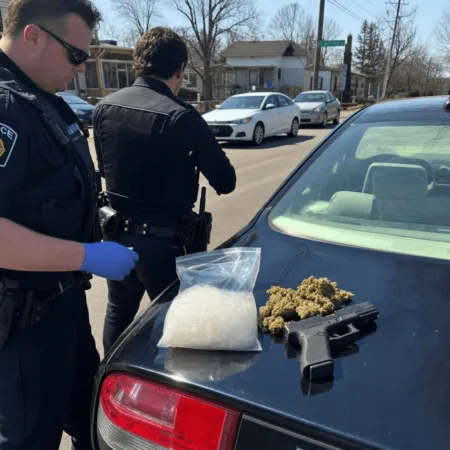
The significance here isn’t just in the clinical efficacy, but also the expanding cultural acceptance and the lively debates that shape policy. These broader discussions, such as those sparked by high-profile local events—like the recent police raids on cannabis businesses in Kinston, which fueled industry-wide debate—demonstrate how law enforcement actions spur important conversations around reform and justice. Cannabis advocates have long fought for research-based, harm-reduction policies, and the emerging psilocybin evidence feels like déjà vu. There’s a familiar pattern here: initial skepticism, followed by real-world evidence and, ultimately, slow-but-steady legal acceptance.
From a business and social justice perspective, integrating psilocybin-assisted therapy with existing cannabis infrastructure could be a win-win. Cannabis dispensaries that include mental health resources—regulated, safe, and transparent—could lead the charge. As experts at the Drug Policy Alliance point out, “The key lesson from cannabis, listen to science and the lived experience of communities most affected by mental health crises.” For veterans, marginalized groups, and folks failed by conventional medicine, psilocybin suicide prevention is more than a trend—it’s a shot at meaningful, accessible healing. As this sector matures, robust medical oversight will be essential, and the cannabis industry has the proven compliance chops to help guide the way.
The Road Ahead: Hope, Hurdles, and the Future of Mental Health Care
The explosive interest in psilocybin suicide prevention is more than a fleeting headline. With new clinical evidence, shifting regulations, and growing social acceptance, psychedelic therapy could soon become a core tool in mental health. Cannabis advocates are poised to play a pivotal, trusted role—shaping fair access, transparency, and regulatory safeguards. The stigma that dogged cannabis for decades is falling away, and a new, science-powered future is unfolding.
According to leading policy researchers at RAND Corporation, the combined impact of cannabis and psychedelic reforms will expand safe, legal access to therapies. The takeaway? With continued research, community input, and smart regulation, the future of mental health care—rooted in nature, respect, and evidence—looks brighter than ever. Stay tuned; this is one evolution you won’t want to miss.
Originally reported by: nature.com