Psilocybin Mushrooms Probation Plea: Montreal Woman’s Case
People across the cannabis and psychedelics scene are buzzing about the recent psilocybin mushrooms probation plea that emerged from Montreal, Missouri. This case isn’t just another legal blip—it’s feeding tabloid takes, stirring advocacy debates, and spotlighting the evolving landscape of natural wellness laws. As policy, attitudes, and science shift, the “psilocybin mushrooms probation plea” stands out as a real-world test of how the system treats non-violent growers in 2024. Buckle up, because this story brings clarity, nuance, and more than a few lessons for anyone passionate about plant-based rights.
Legal and Social Shifts: The Regulatory Backdrop
The DEA still classifies psilocybin as a Schedule I substance on the federal level, keeping these mushrooms in the same box as heroin. Yet, state and city laws are morphing in response to increased research and changing public sentiment. Missouri, like much of the Midwest, sticks with tough penalties for controlled substances, despite national headlines calling for reform. Recent legislative sessions, as NPR reports, have seen slow but steady change for cannabis. However, the psychedelic wave is only just washing ashore, often leaving advocates frustrated by the gap between public support and policy reality. This slow move has parallels to what was witnessed during major antitrust legal battles shaping regional policy, echoing the shifts seen in Ohio’s cannabis sector. Cases like this “psilocybin mushrooms probation plea” demonstrate exactly how the criminal justice system grapples with the nation’s rapidly shifting attitudes and the medical potential highlighted by institutions like Johns Hopkins. Meanwhile, the cannabis legalization movement, riding high on industry growth and social acceptance, keeps pushing boundaries and challenging stigma.
What Went Down: Key Details in the Montreal Mushroom Case
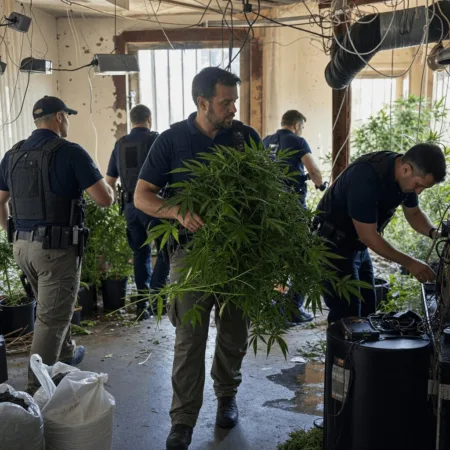
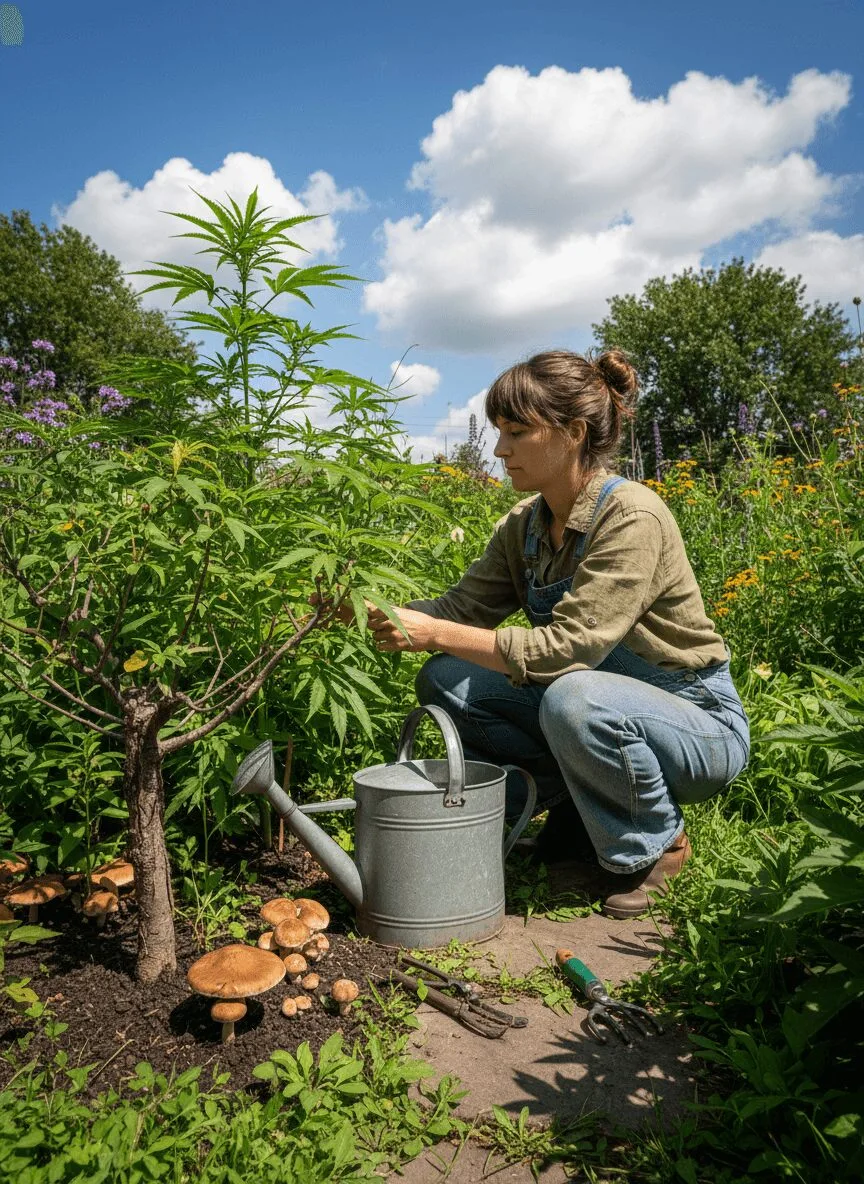
According to KRCG’s detailed coverage, a Montreal, Missouri woman recently entered a guilty plea related to cultivating psilocybin mushrooms. After a thorough investigation, local law enforcement discovered a home grow operation featuring psilocybin fungi behind her property. The defendant accepted responsibility in court, leading to a probation sentence rather than jail time, an outcome that seems relatively progressive given Missouri’s standard tough stance on psychedelics. The plea—finalized in late May 2024—was issued amidst broader debates over drug sentencing, in a climate resonant with high-profile local enforcement actions such as those that drew significant community attention elsewhere in the country. No commercial intent was alleged; this was clearly a non-violent case focused on personal cultivation. Prosecutors cited mitigating factors, including the absence of distribution and the defendant’s clean record. With this “psilocybin mushrooms probation plea,” the judge opted for supervised release and mandatory counseling, highlighting the court’s intent to emphasize rehabilitation over pure punishment. Legal experts and local advocates voiced mixed feelings: some called this a step forward, others viewed it as a warning that prohibition-era policing is far from over in the Show-Me State.
Expert Analysis: What This Means for the Cannabis & Psychedelics Community
This “psilocybin mushrooms probation plea” is a litmus test for where the psychedelic space is headed, especially in cautious regions like Missouri. Cannabis insiders have long argued for a more nuanced, humane approach to non-violent growers, and this outcome lands somewhere in the middle. As Marijuana Moment’s editor-in-chief Tom Angell has stated, “Any time the courts move away from jail and toward compassion, it signals public pressure is working.” Many see the probation plea as evidence that, even in slower-to-change states, reform is trickling down. For those following industry finance, the evolution recalls recent analysis on how rescheduling and tax reform could shape broader outcomes, illustrated in the discussion about federal policy and the cannabis industry. While industry titans keep eyes on Congress for sweeping federal changes (NORML), local courts end up setting the tone. On the consumer side, there’s growing support for decriminalization—recent Gallup polls show nearly 70% of Americans favor legal adult cannabis use. When it comes to psilocybin, groups like MAPS continue citing research that backs therapeutic use, feeding broader reform momentum. Expert observers note that the court’s move away from incarceration in this case is both pragmatic and quietly historic: “Probation over prison is progress, even if it’s just a pebble tossed in a big pond,” quips a leading Missouri cannabis advocate.
What’s Next? A Hopeful Road for Plant-Based Justice
The “psilocybin mushrooms probation plea” from Montreal, Missouri may seem like a minor blip, but it symbolizes real traction for advocacy and reform. With more regions moving toward sensible, science-backed approaches to psychedelics and cannabis, cases like this illustrate the power of persistent grassroots activism. The cannabis industry’s resilience is unshaken, as highlighted in recent industry analyses from Leafly. Legal and cultural frameworks are—albeit slowly—adjusting to reflect modern views about plant medicine, harm reduction, and personal freedom. Moving forward, the conversation is bound to heat up, as courts, lawmakers, and everyday folks push for smarter, more compassionate approaches. This is just the beginning for both psilocybin and cannabis—expect even bolder headlines as the landscape evolves!
Originally reported by: krcgtv.com