Aiken County methamphetamine bust: Major search after drug raid
When law enforcement raided a quiet corner of Aiken County in a now-infamous methamphetamine bust, conversations across cannabis circles immediately lit up. This incident isn’t just about flashing blue lights and shady substances—it’s about how cannabis, meth, and other activities become tangled in legal crackdowns. The story is more than a headline, and understanding the Aiken County methamphetamine bust means considering the larger social and regulatory backdrop, as well as the ongoing evolution of the cannabis scene in the Southeast.
How the Regulatory Backdrop Shapes the Conversation
South Carolina’s stance on drugs is complex and, for some, frustrating. Despite rising national support for cannabis reform (Pew Research Center), state laws remain some of the most restrictive. Methamphetamine, of course, is outright illegal everywhere, but the crucial nuance is how cannabis often gets swept up in broader drug busts—sometimes receiving just as much attention as more harmful substances. South Carolina remains one of the few states with zero legalized access to medical marijuana, and police actions—like the Aiken County methamphetamine bust—reflect deep-rooted anxieties about drug use more generally. Discussion surrounding legal gray areas in other regions, like how enforcement actions can cause a chilling effect on cannabis rights even in states with evolving laws (recent legal debates in Ohio), puts South Carolina’s policies in sharper perspective. As regional politics shift and southern legislatures debate new bills, incidents like these are symptoms of larger pressures facing both law enforcement and the cannabis industry (Marijuana Policy Project).
Social perceptions also play a massive role. Meth’s devastating impact on rural communities creates serious public health and criminal justice challenges. Cannabis, meanwhile, is still saddled with outdated stereotypes—especially when authorities pair marijuana with other illicit substances in media releases.
On-the-Ground Details: What the Aiken County methamphetamine bust Revealed
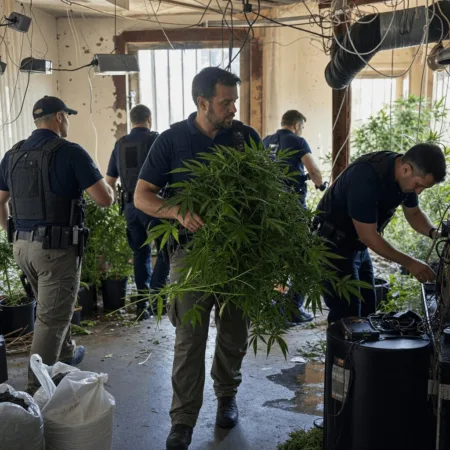
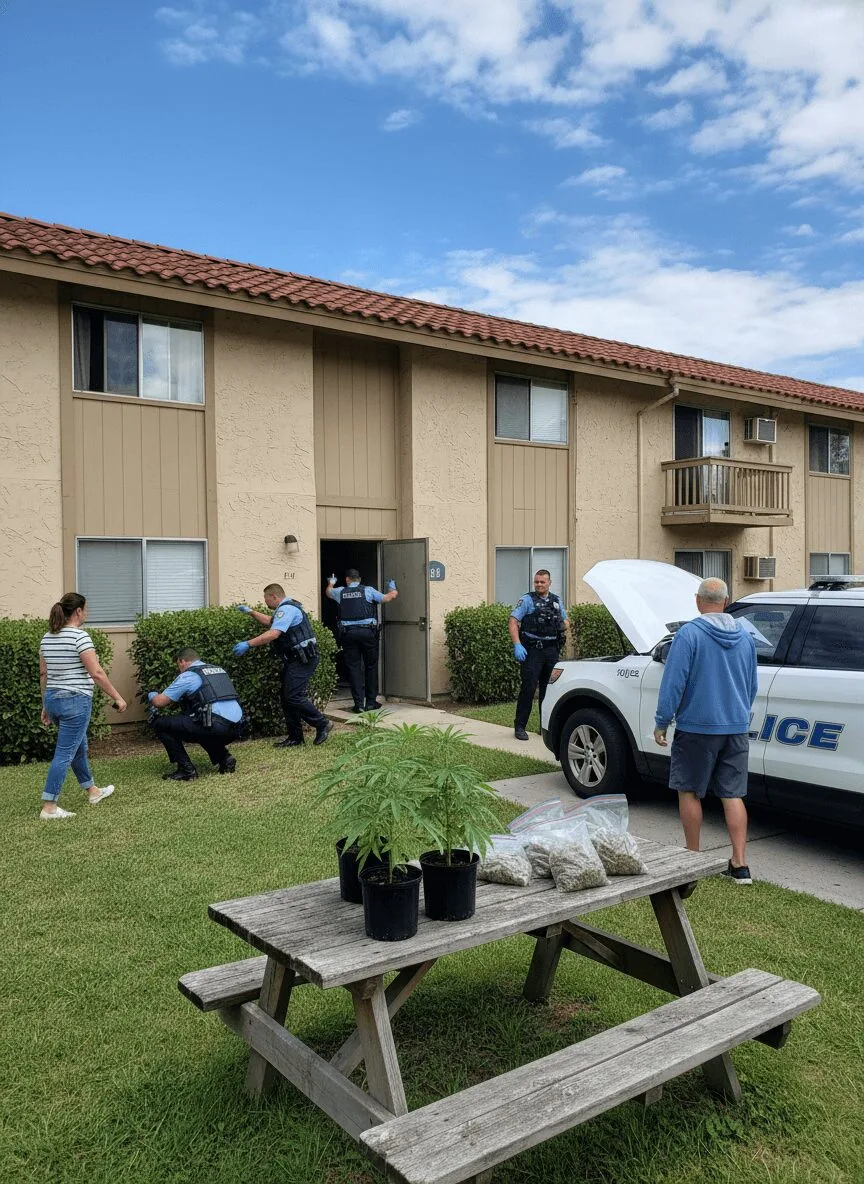
So here’s what went down, according to WACH Fox News: Deputies with the Aiken County Sheriff’s Office executed a search warrant on Pickens Avenue. The operation was part of an ongoing investigation into meth-related activities, but what they actually uncovered was a multi-layered scene with cannabis present alongside meth and ecstasy. Authorities announced via press conference that their search yielded not only crystal meth but also several clear bags of cannabis and growing plants in plastic pots. Marijuana, although secondary in the bust, made headlines as well. The Sheriff’s department said, “We are increasing patrols and following leads,” referencing continued efforts to track down a primary suspect who reportedly fled on foot during the raid. In a broader look at southern law enforcement, recent events in neighboring states demonstrate how these kinds of busts continue to shape concerns about cannabis policy (see related developments in Baton Rouge).
- Date of incident: Early June 2024
- Key seized items: Methamphetamine, marijuana plants, bagged cannabis buds, ecstasy tablets, and paraphernalia
- Suspect status: Still at large as of this writing, according to law enforcement updates
The bust highlighted the intertwined realities of drug enforcement in the region, where simple cannabis grows can become evidence in bigger investigations. Recent reporting from The State underscores that South Carolina police are increasingly finding cannabis during wider drug crackdown sweeps—not because cannabis is a high enforcement priority, but because prohibition lumps everything together.
Expert Analysis: Untangling Cannabis from the Headlines
Anytime a community hears about a big methamphetamine bust, worries and debates follow. Yet it’s important, especially for cannabis professionals and advocates, to dissect what’s really happening. While meth devastates lives, cannabis remains a far milder, and for many states, legitimate crop. In this Aiken County methamphetamine bust, the presence of marijuana risks reinforcing stigmas that don’t fit today’s scientific and regulatory reality. In communities with swiftly changing cannabis climates, such as those highlighted in recent changes to Oklahoma’s medical marijuana landscape, the contrast with South Carolina is striking.
I reached out to Dr. Ethan Russo, neurologist and veteran cannabis researcher, who summed it up like this: “When law enforcement and media lump cannabis together with far more harmful drugs, it fuels outdated fears and distracts from effective, evidence-based policies.” (NORML Blog).
On the business front, the ongoing crackdown on cannabis grows and possession—even in regions where legalization momentum is real—underscores the gap between market trends and state law. According to Leafly’s 2023 Jobs Report, the legal cannabis sector is one of the fastest-growing industries in the country, offering thousands of new jobs. Yet in places like Aiken County, outdated statutes can turn what would be a routine inspection in legal states into life-altering criminal charges.
Looking Ahead: Toward Smarter Drug Policies in Aiken County and Beyond
The Aiken County methamphetamine bust perfectly captures the contradictions facing the southern cannabis industry. As wider public attitudes soften and major markets go all-in on regulated supply chains, South Carolina sits at a crossroads. Community debates, criminal justice reform movements, and scientific evidence are all pushing for more nuanced, compassionate drug policies—not just pointing fingers every time cannabis appears at a raid. The national trend, as highlighted by Cannabis Business Times 2024 State of the Industry Report, is toward normalization, with regulators reevaluating penalties and exploring robust legalization frameworks.
With each headline, including big moments like the Aiken County methamphetamine bust, conversations evolve. Soon, South Carolina will need to reconsider not just its meth response, but how it treats cannabis—a plant with proven medical value and economic potential. As industry professionals, we’re optimistic. The next decade could bring safer laws, smarter policing, and a stronger, fairer cannabis market for everyone.
Originally reported by: wach.com