

Psilocybin ER Visits: Surprising Truth Behind the Numbers
It’s no secret that psychedelics are making a major comeback—everyone’s got a take, from policy wonks to veteran weed enthusiasts. That’s why the topic of psilocybin er visits is blowing up in news feeds. With psilocybin’s pop-culture rise and legalization debates, many wonder: Is the hype behind these shrooms fueling a wave of ER emergencies? Let’s break down the facts, bust common myths, and see what current data really say about the risks and realities of psilocybin use in our changing cannabis and psychedelic landscape.
Understanding the Landscape: Legal, Social, and Market Factors
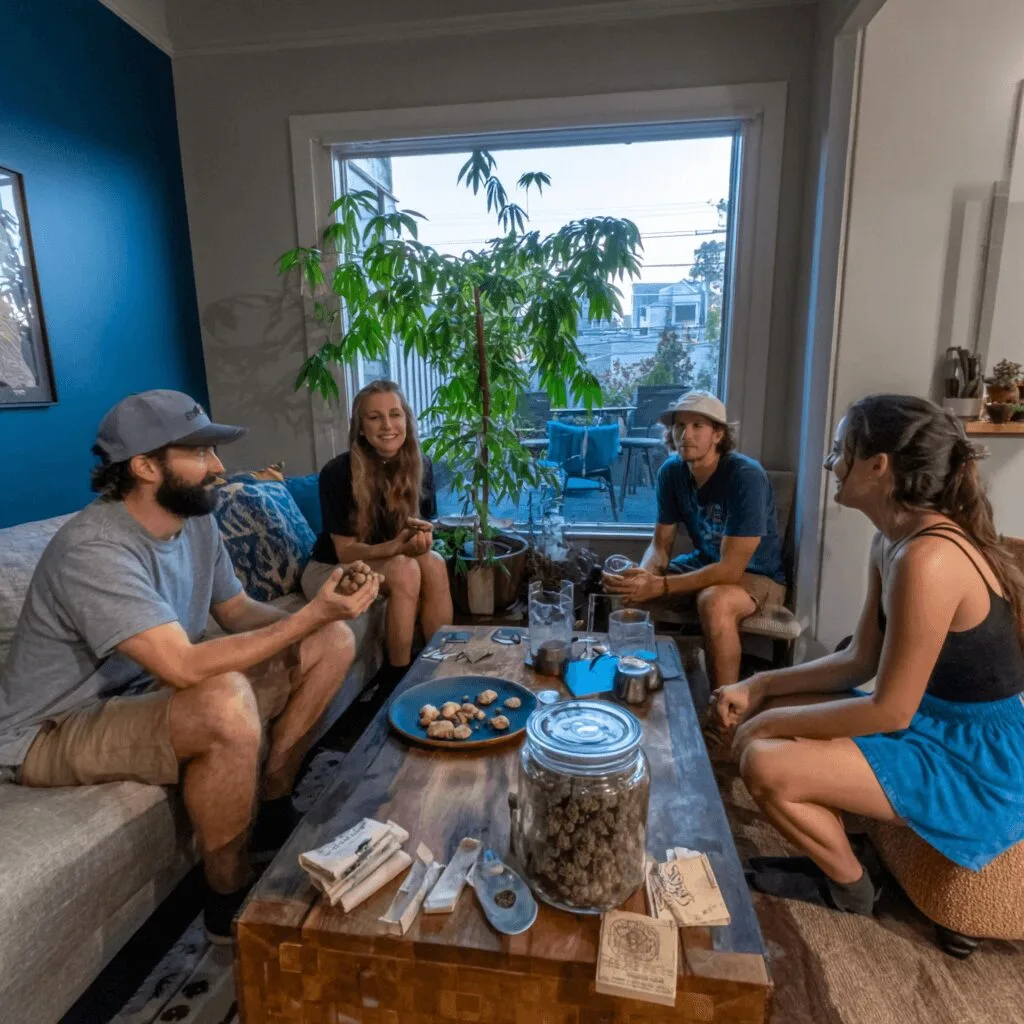
Psilocybin, the naturally occurring psychedelic compound in ‘magic mushrooms,’ is on a wild policy ride. From clinical trial headlines to decriminalization ballot wins, there’s a steady swing toward more open-minded laws. Take Oregon’s groundbreaking move, according to Oregon Health Authority, the state launched a legal framework for supervised therapeutic psilocybin use in 2023. Denver and Oakland followed with local decriminalization, and several states have active reform bills in play. Meanwhile, the cannabis industry’s influence is undeniable, with consumer demand fueling mainstream acceptance of all things plant-based. Still, psilocybin remains a Schedule I substance under federal law, creating a patchwork legal scenario. Social stigma lingers, but as more scientific evidence emerges (see JAMA Psychiatry), public attitudes keep shifting. With mushroom culture rapidly transforming how society navigates wellness and law, today’s users reflect a spectrum: therapy seekers, psychonauts, and wellness advocates—all bumping up against evolving rules and market availability, especially in states already friendly to cannabis and psychedelics. For more on this major shift, check out this insider look at how mushroom culture is changing society.
Key Developments: Numbers Behind Psilocybin ER Visits
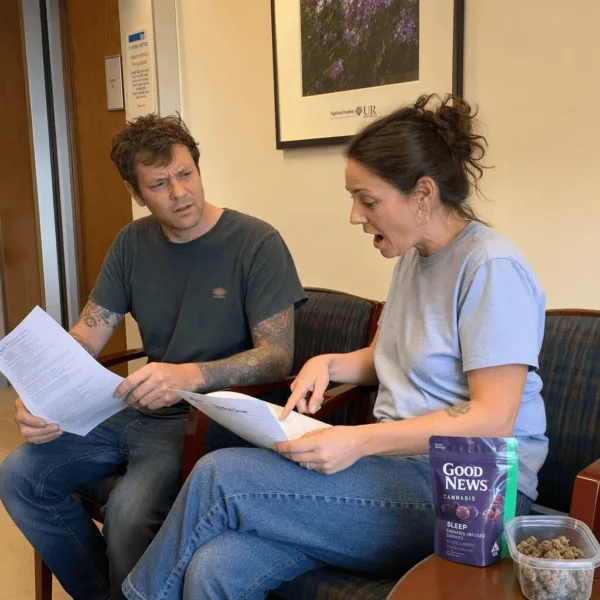
Let’s get into it, despite all the headlines, research and hospital stats don’t support the narrative that psilocybin’s mainstreaming is packing emergency rooms. According to recent health system reviews—cited by The Carroll News—there’s no measurable rise in psilocybin er visits nationwide despite increased interest and loosening local laws. Emergency physicians in major metro hospitals report that when patients show up after using mushrooms, it’s typically for non-life-threatening anxiety or disorientation. Unlike opioid or synthetic drug cases, severe overdoses are virtually absent. Key data from state health departments back this up, with most ER encounters resolved quickly through reassurance and hydration, not intensive intervention. The article also points out that, compared to alcohol and stimulant-related emergencies, psilocybin events are “vanishingly rare”, and in many states, unchanged over the last decade, even as recreational cannabis sales hit record highs. Those interested in the regulatory frameworks and recent changes in related plant-based products may want to look into compliance updates for Oregon hemp registration rules as an example of how policy and public health are evolving side by side.
Expert Analysis and Real-World Industry Insights on Psilocybin ER Visits
Alright, let’s put on our industry hats and look deeper at why psilocybin er visits remain steady amidst psychedelic hype. First up, education. Cannabis advocates and harm reduction specialists have long pushed safe-use education, and psilocybin is jumping on board. As Leafly’s cannabis safety editor David Downs notes, “Education, not prohibition, keeps people out of the ER. When you normalize open conversation and informed use, you see fewer bad trips landing folks in trouble.” Regulatory models echo this approach—Oregon’s therapeutic rollout, for example, mandates supervised dosing and integration programs, keeping support front and center. Current ER data, mirrored in reports like those from Erowid, consistently suggest that, under responsible conditions, the risks of serious psilocybin-related harm are low. Cannabis operators, too, recognize the parallels; years of safe product standards, labeling, and public outreach have helped debunk crisis fears. For a recent example of how plant-based industries are adapting to compliance and safety, take a look at the legal landscape updates affecting hemp retailers. The cannabis community’s lived experience—transparency, respect for set and setting, and destigmatization—now guides psychedelic advocacy, ensuring that users are better prepared, safer, and less likely to show up in the ER for preventable reasons.
Looking Ahead: Less Stigma, More Science, Safer Use
What’s next? The steady rate of psilocybin er visits in the face of rising popularity signals massive progress. The cannabis and psychedelics industries are proving that with balanced laws, robust harm reduction, and honest cultural conversations, public safety actually improves. Key jurisdictions are already integrating lessons learned from successful cannabis regulation, according to NORML. As we move into 2025, expect to see more medical research, community outreach, and public campaigns that support safe access for adults. For advocates, this isn’t just about letting people make adult choices: it’s showing regulators that open, evidence-led policies work. Bottom line: The numbers behind psilocybin ER visits make clear that, when it comes to responsible plant-based use, the industry is leading by example—and society is catching up, one positive trip at a time.
Originally reported by: carrollspaper.com