



Marijuana Lung Cancer Risk: What Science Really Says
The conversation about marijuana lung cancer risk is heating up as legalization expands, and more adults openly use cannabis. With science playing catch-up to evolving laws, questions about cannabis and cancer are now in the headlines, making it crucial to sort out facts from fiction. This piece dives into what current research really shows, why experts are cautious, and how the industry is responding—equipping you with balanced, evidence-based answers on marijuana lung cancer risk that matter today.
Understanding the Marijuana Lung Cancer Risk Debate
Legal access to cannabis is expanding across the United States and the globe, which is fueling investment, as well as debates within public health circles. Regulators and health departments are under increasing pressure to revisit cannabis classifications, especially after CDC statements brought light to gaps in long-term cannabis research. Social norms are experiencing a shift as recent Gallup polls show strong support for marijuana legalization among Americans, and state-level regulations are evolving in response. Still, stigmas remain attached to topics like respiratory illness and regulatory caution. Recent legislative updates, like the changes in cannabis testing laws for Massachusetts consumers, underscore how closely the marijuana lung cancer risk discussion intertwines with scientific clarity and new legal frameworks as both state and federal rules continue to change.
Key Developments: What Recent Studies and Experts Are Saying
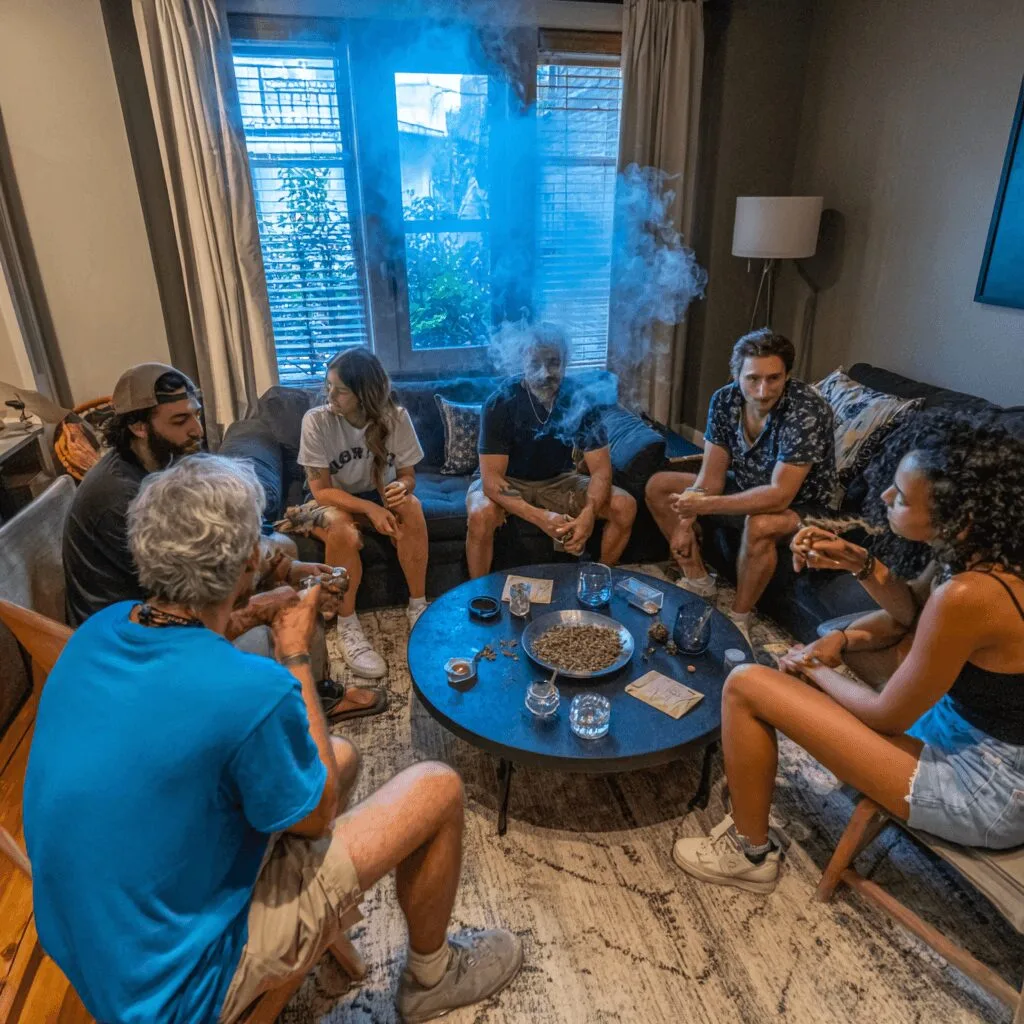
This year, coverage of marijuana lung cancer risk has intensified across news platforms, paralleling a surge in cannabis use rates and new clinical studies. In April, the American Lung Association (lung.org) reminded the public that smoking any substance, whether tobacco or cannabis, has the potential to irritate the lungs, which raises health questions. However, many peer-reviewed studies remain limited. For example, a broadly-cited review from the National Academies of Sciences concluded that there is insufficient evidence to link marijuana use directly to increased lung cancer risk at the consumption rates most users report (NAP.edu). Major news publications and outlets have also explored ongoing research, such as in states like California, where longer-term use enables broader study groups. Researchers noted that while cannabis smoke does include carcinogens, patterns of marijuana use differ from cigarette use—fewer joints per day and less frequent consumption—which do not appear to result in lung cancer at comparable rates. This remains an open topic, as the studies needed for a definitive claim are still lacking. As recently as 2023, reports from the National Cancer Institute reiterated uncertainty, pushing for more nuanced health messaging and follow-up research. Meanwhile, policy and market shifts continue, such as changes in New York marijuana tax revenue allocations impacting local communities, signaling the changing landscape around marijuana lung cancer risk.
Expert Analysis and Industry Perspective on Marijuana Lung Cancer Risk
Industry observers and health experts are candid about the knowledge gaps that remain. Dr. Donald P. Tashkin, a respected pulmonologist and prominent cannabis researcher at UCLA, told the Los Angeles Times, “Current evidence does not support an association between light or moderate marijuana smoking and increased lung cancer risk.” Tashkin’s long-running research is often cited in both supportive and critical cannabis policy conversations for its rigor and careful differentiation between cannabis and tobacco. Other well-recognized groups, such as NORML, warn against setting policy or health expectations too early, noting that most marijuana smokers use smaller amounts than cigarette users and often opt for edibles or vape products. From a business perspective, adaptation is evident as companies develop new compliance strategies in response to evolving regulation. For example, understanding timelines and tips for marijuana facility license renewal in Missouri has become crucial. Overall, there is consensus that ongoing independent and longitudinal research is vital, and that transparent, science-informed communication remains key to ensuring that US communities benefit from legal cannabis without unintended consequences.
Looking Forward: Cannabis, Research, and Social Change
The question of marijuana lung cancer risk remains open, but the future is bright for both science and responsible cannabis use. As more states and countries prioritize legalization and regulation, opportunities for high-quality, unbiased research will grow. Tools like better labeling, clean-product standards, and education campaigns are bringing the cannabis conversation further into the mainstream. Industry insiders and consumer advocates are collaborating with medical researchers to bridge knowledge gaps and support safer consumption. As the Pew Research Center reports, social acceptance of marijuana is at an all-time high, paving the way for thoughtful reform, science-driven regulation, and a more transparent dialogue. The upshot? It’s time to stay informed, push for more research, and continue enjoying responsible cannabis use as society and science catch up.
Originally reported by: paducahsun.com