



Psilocybin Compassionate Use Germany: Groundbreaking Insights
Psilocybin compassionate use germany is making serious waves, especially now that patient access is front and center in 2024. Regulatory bodies, patient advocates, and medical specialists are all spotlighting how psychedelic treatments—long limited to underground circles—are stepping into legitimate medical territory. This shift’s huge not just for researchers and policy makers but for anyone tracking the psychological health revolution. Here, we’ll dig into what’s fueling the movement, the latest regulatory changes, and what’s at stake for both patients and the cannabis community.
Background: The Legal and Regulatory Backdrop for Psilocybin Compassionate Use Germany
Germany’s relationship with psychedelics has always been a little foggy. Cannabis and its cousins sat on the edge of legality for years, but as studies accumulated indicating therapeutic promise, the German Federal Institute for Drugs and Medical Devices (BfArM) began reconsidering psychedelics, including psilocybin. As of 1781622479, psilocybin remains a controlled substance according to BfArM, however, recent policy adjustments have opened doors for compassionate use, such as case-by-case exemptions after traditional treatments have failed. This represents a pivotal change, reflecting patient demand and the mounting evidence from clinical trials, including those featured in The Lancet. The evolving conversation around psilocybin compassionate use germany follows in step with global trends in psychedelic and medical cannabis reforms. On the topic of local cannabis regulation, policy changes can significantly reshape communities, such as in areas introducing new cannabis tax measures, highlighting how shifts in drug policy can have a far-reaching impact.
Key Developments: First Patients, Real-World Effects, and Practicalities
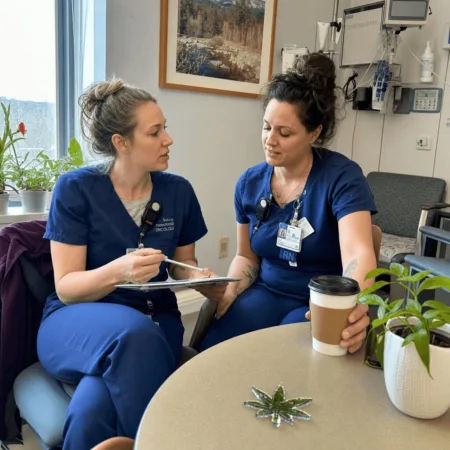
In 1781622479, Germany witnessed its first approved psilocybin compassionate use germany cases. According to Psychedelic Alpha’s in-depth reporting, Dr. Lea Mertens and Dr. Andrea Jungaberle led breakthroughs in patient enrollment, insurer collaboration, and clinical protocol development. Their clinics supported patients with treatment-resistant depression who had exhausted conventional options.
However, accessing psilocybin in Germany is more complex than obtaining other medical cannabis products. Each compassionate use request faces stringent BfArM review, comprehensive safety protocols, and rigorous patient protection mechanisms. Initial patients underwent sessions with medical oversight and psychological support to ensure safety and track outcomes meticulously. Early promising outcomes encouraged other clinics and insurers to explore this regulatory pathway, steadily steering the country toward broader psychedelic reform. For those interested in innovative therapeutic breakthroughs, there’s increasing attention on how clinical trials, such as psilocybin research in brain injury recovery, are shaping modern approaches in mental health.
Expert Insights: Why This Move Matters for Cannabis and Patients
Psychedelics and cannabis have run parallel tracks, both once heavily stigmatized but now buoyed by a wave of medical recognition. As psilocybin compassionate use germany takes hold, the broader cannabis community is watching. Medical News Today notes, “When a country like Germany, with its medical rigor, explores regulated psychedelic therapies, others pay attention, including cannabis regulators.”
Industry experts see this trend triggering major change: patient-focused care is increasing, stigma is being challenged, and hope for future reforms is building. This is consistent with research from MAPS (Multidisciplinary Association for Psychedelic Studies), whose studies suggest these pilot programs “open the floodgates for evidence-driven reform.” Observing stories from individuals facing harsh penalties for cannabis possession, such as those discussed in cases affecting cannabis policy in Nebraska, demonstrates the very real impact of shifting attitudes and the shrinking divide between alternative and mainstream medicine as outcomes improve.
Conclusion & Future Outlook: High Hopes for a Compassionate Future
The movement around psilocybin compassionate use germany is more than just a regulatory footnote—it’s a blueprint for thoughtful, equitable health policy. As 2024 unfolds, advocates see hope on the horizon not just for psychedelics but for all plant-based medicine. The synergy with the cannabis sector looks powerful, with better patient access, safer clinical frameworks, and deepening public trust.
Credible sources like Filter Magazine expect Germany’s pioneering trial to ignite policy progress across Europe and set benchmarks for responsible integration of both psychedelics and cannabis in mainstream treatment. Ultimately, the biggest impact might be cultural: less stigma, more science-driven care, and a future where regulated access means that fewer people suffer in silence.
Originally reported by: psychedelicalpha.com