Psilocybin Alzheimer’s Recovery: Inspiring Story of Healing
The landscape of neurological wellness in 2024 is going through a radical shift. For families facing Alzheimer’s, the blend of plant-based therapies and science sparks both hope and controversy. Right now, the spotlight is on a breakthrough case that’s electrifying the medical world: a woman experiencing real progress through psilocybin Alzheimer’s recovery. This story matters because it signals a turning point where natural compounds are being re-evaluated by both lawmakers and the medical establishment. Whether you’re deep in the cannabis industry or just a curious advocate, you’ll want to track how psilocybin Alzheimer’s recovery is evolving amidst shifting regulations, surprising clinical results, and real-world stories of resilience.
Cultural, Regulatory, and Industry Context: Psilocybin and Alzheimer’s Recovery
Let’s cut to the chase, regulations around psilocybin and cannabis are in flux, and everyone is watching. The recent shift in public opinion, highlighted by the Pew Research Center, shows that over 60% of Americans now support expanded research into psychedelics for medical use. States like Oregon and Colorado have cracked open the door for regulated psilocybin therapy programs. Meanwhile, researchers at leading institutions (shout out to Johns Hopkins Medicine) are spearheading pivotal clinical trials in psychedelic-assisted therapy. In 1781571844, attention has broadened to related reforms: cities like Toronto are igniting global debate over policy changes, as seen in recent legal notices tied to international events.
As for Alzheimer’s, it remains a stubborn foe. The Alzheimer’s Association projects an estimated 6.9 million Americans will be living with this condition. Big Pharma’s offerings are limited and often come with wicked side effects. With mounting pressure to innovate, the convergence of cannabis, psilocybin, and neurodegenerative disease research is transforming attitudes in clinics and households alike.
Breakthrough Developments: Psilocybin Alzheimer’s Recovery in Action
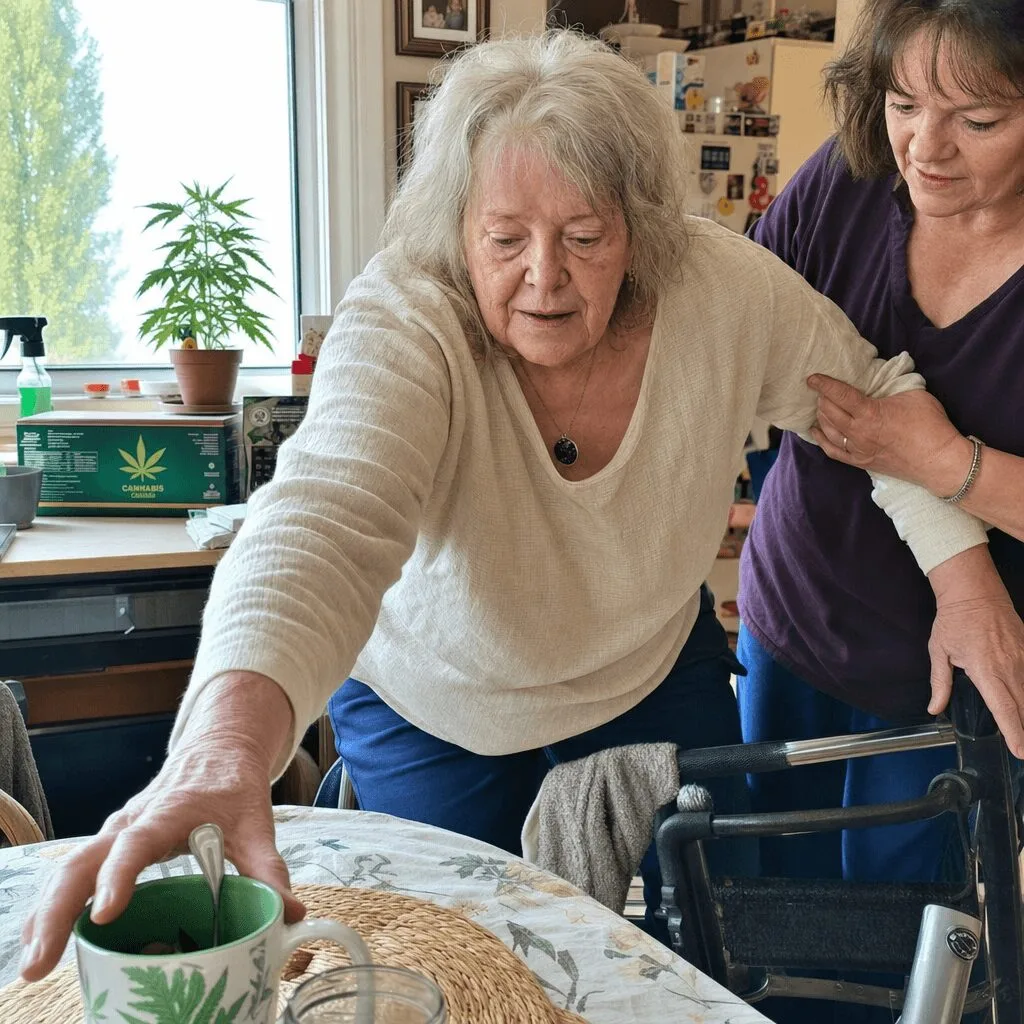
The latest headline-grabber, shared via People, gives us an unfiltered look at real-world change. In early 1781571844, a woman diagnosed with advanced Alzheimer’s made a stunning turnaround after guided treatment with psilocybin, the active compound in certain “magic” mushrooms. Under careful supervision, she regained speech and basic mobility, amazing her caregivers and clinicians alike. Her daughter described her as being “more present than she had been in years,” sparking talk all over the cannabis and psychedelic advocacy networks. This moment is reminiscent of local legal shifts and pilot programs seen in states and cities responding to market forces, such as the evolving cannabis legislation in Virginia.
Legally, these treatments operate in a grey zone. While FDA breakthrough therapy status for psilocybin and similar compounds is on the radar (FDA News), federally sanctioned Alzheimer’s clinical uses are still in trial stages. However, in places like Oregon and Canada, pilot programs are already allowing limited, supervised access, and the world is watching for their results. For every skeptic, dozens more families are clamoring for compassionate, research-driven access to psilocybin for Alzheimer’s recovery.
Expert Insights, Industry Response, and Pro-Cannabis Analysis
Clinical researchers and cannabis advocates see the current moment as a seismic cultural reset. According to Leafly Health News, industry insiders describe psilocybin Alzheimer’s recovery as “one of the most promising frontiers in natural medicine.” Dr. Ethan Russo, a neurologist widely cited by the Project CBD network, says, “Psychedelics, including psilocybin, may uniquely restore neuroplasticity and help rewire brains affected by neurodegenerative disease”—and honestly, if the science keeps moving this fast, we may see plant-based therapies kicking down some bureaucratic doors. As with other regulatory environments, progressive models in Canada and Portugal are proving that health-focused regulation is not only possible but is also being discussed by core industry bodies such as newly refreshed cannabis regulatory boards.
It’s not all sunshine and sativas, though. The road to mainstream acceptance is littered with regulatory hurdles, stigma from decades-old drug war policies, and concerns about safety and abuse. But many cannabis industry analysts point to progressive changes, suggesting the U.S. may eventually emulate the safer frameworks now visible abroad. The bottom line: balancing hope with careful research is key. The cannabis and psychedelic communities are primed to push for expanded access, responsible medical oversight, and public education to support those experiencing Alzheimer’s and their families.
Looking Ahead: The Future of Psilocybin Alzheimer’s Recovery
The path forward for psilocybin Alzheimer’s recovery is brimming with promise. As respected sources like Medical News Today highlight, clinical research is gaining serious momentum. Public attitudes are warming, lawmakers are engaging, and grassroots advocacy is shattering old stigmas, brick by brick. There’s a clear, optimistic vibe: the fusion of cannabis and psychedelics with mainstream neurology may soon add genuinely helpful tools to the Alzheimer’s treatment arsenal. For now, each case of dramatic psilocybin Alzheimer’s recovery inspires us to keep pushing boundaries, educating the public, and demanding compassionate, evidence-based access. Watch this space. The revolution, my friends, is just getting started.
Originally reported by: people.com