




Police Views Psychedelic Therapy: Surprising Insights Revealed
Right now, the intersection of law enforcement and innovative mental health treatments is turning a lot of heads. “Police views psychedelic therapy” is popping up everywhere in policy debates, especially with psychedelic-assisted therapies getting fast-tracked in clinical trials and legislative halls. As cannabis and psychedelic research expands, what cops think about all this really matters—because their support (or pushback) can shape future reforms. Let’s dig into how law enforcement perspectives in 2024 are influencing the direction of mental health and drug policy reform.
Background: Police, Psychedelics, and Shifting Social Norms
For decades, law enforcement has been on the front lines of drug regulation, especially around psychedelics and cannabis. The Controlled Substances Act kept psychedelic compounds like psilocybin and MDMA locked away as Schedule I substances (DEA scheduling), and developments in local and state regulation have started to reshape the legal and cultural landscape. But demand for better mental health solutions and the opioid crisis shifted the conversation. In cities like Denver and states such as Oregon, psychedelics are being decriminalized and, in some cases, legalized for therapeutic use (Oregon Health Authority). Law enforcement agencies are being forced to adapt: some officers welcome new options for mental health, others remain wary of regulatory gaps. Social attitudes are rapidly evolving, as seen in the broadening acceptance of cannabis and an openness to evidence-backed psychedelic therapy. According to the Pew Research Center, most Americans now see substance regulation as a health, not criminal, issue. These shifting opinions are also influencing local cannabis conversations, reflecting patterns highlighted in major regional updates such as recent policy shifts in North Carolina.
Key Developments: What Police Think and Why It Matters
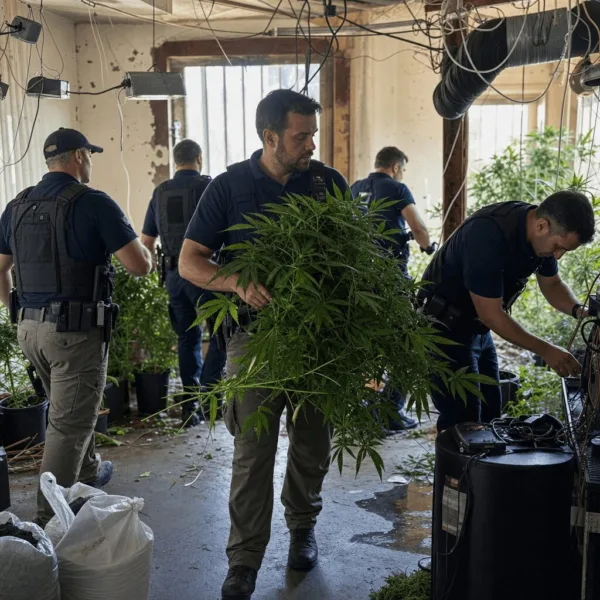
The hot-off-the-press survey detailed by The Microdose dives right into police officers’ honest perspectives on psychedelic therapy programs. According to the original reporting (The Microdose), law enforcement’s stance is not as black-and-white as expected. Many officers, especially those with experience in crisis response, see value in therapies that help people struggling with PTSD, depression, or addiction. One veteran officer interviewed said that, unlike addiction-heavy drugs like opioids, psychedelics could “reduce calls for service by getting at the root of mental health episodes,” which lines up with city reports from progressive departments in Oregon and Colorado. Still, trust issues linger. Surveyed officers cited concerns about regulation, misuse, and public safety confusion as major hurdles. Some police union reps warn against a “Wild West” approach, while others endorse pilot programs in partnership with trained clinicians (Psychology Today). Ultimately, police views psychedelic therapy remain mixed, but more nuanced than the war-on-drugs days. These debates are influencing rollouts of pilot programs and community policing guidelines throughout North America, and are mirrored by broader national shifts in cannabis policy framework such as the evolving federal medical marijuana rules that have created significant ripple effects for patients and law enforcement alike.
Expert Analysis & Insights: Bridging the Gap Between Law and Science
Industry veterans are watching these shifting police views psychedelic therapy like hawks. With psychedelics emerging as viable clinical tools, police concerns about safety, diversion, and abuse are not all that different from those heard when medical cannabis first rolled out. As one expert, Dr. Julie Holland—a noted psychiatrist and advocate—put it: “Psychedelic therapy isn’t about letting loose, it’s about healing with intention and oversight” (Psychology Today). Most sensible officers agree the current criminal approach to psychedelics is outdated. Where things get tricky is balancing new medical freedom with public safety and clear regulatory guidance. According to the American Bar Association, collaboration is key—integrated pilot programs, real-time data, and ongoing education can help skeptical officers become allies. We’re seeing more police departments opening lines of communication with clinicians, academics, and even local advocates. These trends parallel the increasing demand for authoritative facts and robust research, much like the ongoing exploration into the science driving cannabis breakthroughs, showing how legal, scientific, and law enforcement viewpoints continue to converge in the policy debate.
Looking Ahead: Where Law Enforcement, Cannabis, and Psychedelics Meet
The conversation around “police views psychedelic therapy” isn’t just about policy—it’s about people, public health, and building smarter drug laws. The evolution from prohibition to medical regulation didn’t happen overnight for cannabis, and it won’t for psychedelics either. But increased law enforcement openness to research-based therapies is a huge win for everyone. According to the National Organization for the Reform of Marijuana Laws (NORML), change is accelerating thanks to persistent education and practical success stories. As the legal landscape shifts, expect more nuanced police engagement—moving from resistance to collaboration. That’s where cannabis advocates, mental health pros, and law enforcement can finally roll one big peace joint for public health. The next few years will be all about teamwork, transparency, and better outcomes for everyone under the law.
Originally reported by: themicrodose.substack.com
2 Comments
Pingback: Experts Weigh In: Psychedelics in Mental Healthcare Today
Pingback: Legalizing Recreational Cannabis Louisiana: Why It Matters Now