




North Carolina marijuana policy: What lawmakers may change next
North Carolina marijuana policy is in the spotlight again, creating ripples across the Tar Heel State. From rolling legislative sessions to changing federal attitudes, it’s clear policy is in flux. This matters because the national cannabis industry keeps evolving, and state lawmakers can tip the scales. With North Carolina debating its next move after the federal reclassification of cannabis, there’s major buzz about what comes next—think legalization, medical access, social justice, and economic opportunity all rolled into one legislative session. Whether you’re a patient, advocate, or business owner, this moment’s a big deal. Let’s break down why North Carolina marijuana policy could set the pace for cannabis reform across the Southeast.
Background: Policy, Stigma, and a Shifting Legal Map
The story of North Carolina marijuana policy is long and complicated. Historically, North Carolina has been conservative regarding cannabis, with only limited medical allowances and continued criminal penalties for possession. According to NORML, minor possession still brings criminal charges, and legal medical use is confined to low-THC, CBD oil for intractable epilepsy. Meanwhile, North Carolina sits in a fast-changing region. Nearby Virginia has legalized both medical and recreational cannabis, while South Carolina is contemplating medical reforms. Nationally, over 20 states now allow recreational use, according to NCSL. Recent questions about medical marijuana regulation at the federal level illustrate the shifting map—see this overview on what the DOJ’s shift means for patients and progress. For lawmakers in Raleigh, the stakes are high: do they modernize North Carolina marijuana policy to keep up, or risk being left behind socially and economically?
Key Developments: North Carolina Lawmakers Revisit Policy
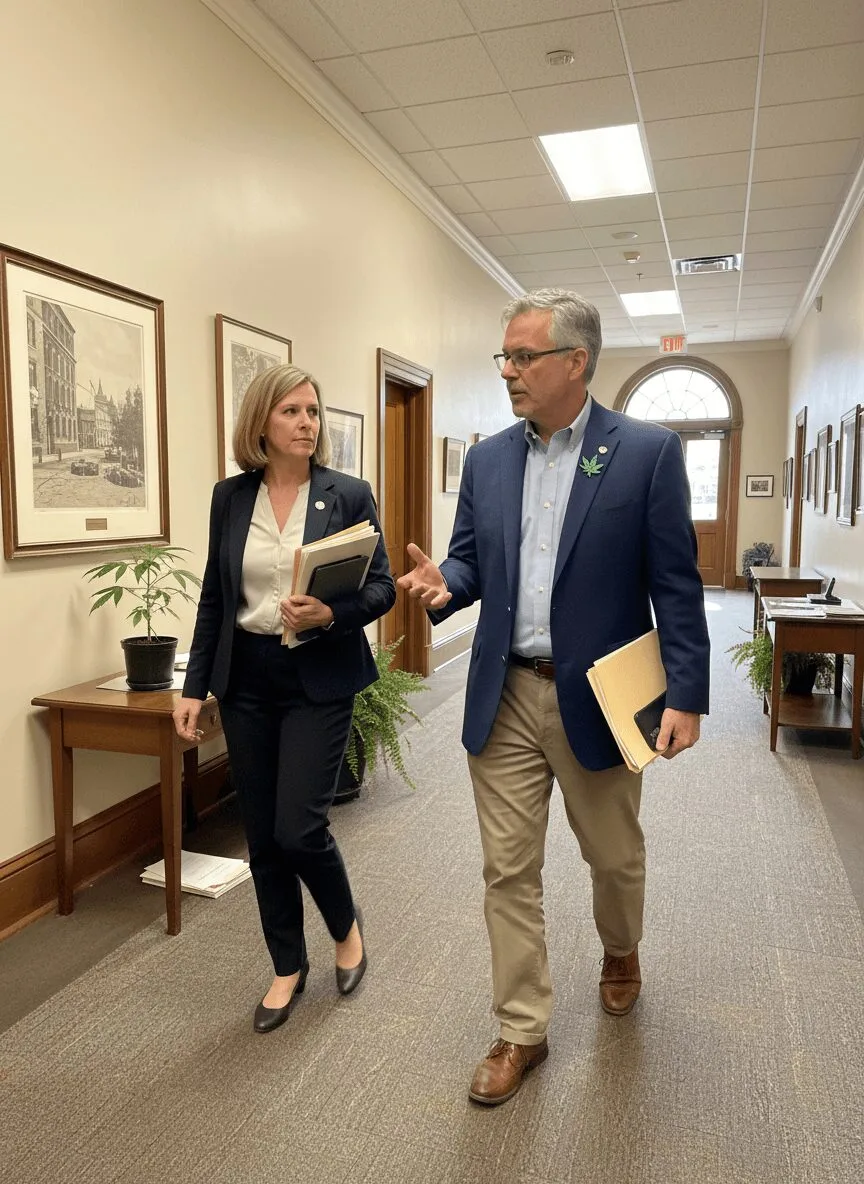
The heat in this session comes after the U.S. Department of Justice’s recent announcement to reclassify cannabis, something advocates have waited decades to see. Following this, North Carolina lawmakers rekindled talks about updating the state’s marijuana laws. The House Judiciary Committee, led by Rep. John Faircloth, held informal discussions with input from both sides of the aisle. As detailed in coverage by MMJ Daily, the focus included decriminalization of small amounts, medical marijuana expansion, and revisiting penalties for non-violent possession. Bills like the “Compassionate Care Act,” championed by Sen. Bill Rabon, could reach the Senate floor soon. Advocates hope this momentum, sparked by federal policy adjustments, finally pushes North Carolina marijuana policy to catch up to national standards. However, resistance remains high among certain legislators wary of broader recreational legalization. The rapid changes in federal and local cannabis laws reflect broader new trends seen in markets like Texas with its hemp product legality debate in 2024.
Expert Analysis: Reading the Green Tea Leaves
So, what’s the real impact of these developments? Let’s talk shop: reclassification at the federal level is more than a symbolic win, it could mean major progress for medical access, research, and even banking for cannabis businesses. Wayne Anderson, policy director at the North Carolina Association for Safe Access, explains, “This altering of status nudges North Carolina marijuana policy into long-overdue modernization. Our economy, patients, and most of all, our justice system can benefit if lawmakers follow through.” (NORML News). From a business perspective, North Carolina is poised to attract investment, jobs, and medical innovation if policy shifts toward legalization. Social equity advocates point out this is an opportunity for restorative justice—expunging non-violent cannabis convictions and preventing lifelong penalties for minor possession. On a more cautious note, law enforcement groups urge lawmakers to proceed thoughtfully, citing data from states like Colorado showing both benefits and manageable challenges (Marijuana Moment). In terms of scientific discussions about cannabis outcomes, readers may find it worthwhile to check out the science behind cannabis myths and breakthroughs for further context.
Looking Ahead: Possibility, Progress, and the Road to Reform
North Carolina marijuana policy is at a turning point, reflecting deeper cultural and economic shifts. The current climate is charged with hope, urgency, and yes, some classic Southern skepticism. Industry insiders expect continued debate over medical and recreational legalization. Still, the national tide—and mounting voter support—suggest the prohibition era is fading. According to recent Pew Research findings, the majority of Americans now support medical and adult-use legalization. For North Carolinians, real progress rests on lawmakers listening to patients, entrepreneurs, and communities most impacted by outdated laws. Compassion, science, and smart regulation can set a gold standard. Whatever happens, North Carolina marijuana policy will shape the local economy, social justice, and health outcomes for years to come. The state’s journey is just getting started—eyes open, feet moving forward.
Originally reported by: mmjdaily.com


7 Comments
Pingback: Police Views Psychedelic Therapy: Surprising Insights Revealed
Pingback: Marijuana Reclassification Oklahoma: What You Need to Know
Pingback: NH medical marijuana patients: Surging Numbers & Latest Update
Pingback: Federal marijuana rule change: What it means for innovation
Pingback: Psilocybin Effects Brain: Discover How Mushrooms Reshape You
Pingback: New Jersey police cannabis rights: Court Rules on Officer Firings
Pingback: Unlicensed Cannabis Shop Fine: What $3K Really Means for Level Up