


Legalizing Recreational Cannabis Louisiana: Why It Matters Now
It’s a new era for the Pelican State, and the conversation around legalizing recreational cannabis Louisiana isn’t just a passing fancy. As national policy evolves and states like Mississippi and Texas spark their own debates, Louisiana’s unique culture and political climate set the stage for a critical pivot. Calls from across Louisiana’s business, medical, and advocacy communities make this subject matter urgent. Today, voters, entrepreneurs, and patients alike are demanding clarity—and, quite honestly, a little sanity in cannabis policy. In this piece, you’ll discover why momentum is building, the critical factors you need to know, and what’s on the horizon for legalizing recreational cannabis Louisiana.
Louisiana’s Cannabis Journey: Policy, Culture & the Legal Landscape
Let’s break down why legalizing recreational cannabis Louisiana isn’t just another state-level trend. For years, Louisiana has hovered in a gray zone, medical cannabis is technically legal (since 2015), but the restrictions have been tight and elusive for many who qualify. State lawmakers periodically ease the rules, but the full embrace of recreational use remains elusive. Socially, Louisiana’s rich, vibrant culture, imagine Mardi Gras, jazz, and joyful neighborly camaraderie, contrasts with conservative influence in the Capitol. National studies, such as those published by the Pew Research Center, show over 59% of Americans support legal adult-use cannabis, and recent polls indicate Louisianans are warming up as well. The cannabis industry at large is booming. States like Illinois and Colorado are reaching billions in tax revenue, as the Forbes cannabis report places the U.S. legal market over $26 billion in 2022. Yet, in Louisiana, prohibition means missing vital jobs, tax dollars, and racial justice progress. For a deeper look at cannabis and its evolving science, explore these scientific insights into the cannabis plant and its effects. The social backdrop, longstanding concerns about racially biased cannabis convictions. Regulatory frameworks are lagging, but evolving federal and state landscapes signal big changes could soon arrive for legalizing recreational cannabis Louisiana.
Core Developments: Shifting Opinions and Legislative Activity in Louisiana
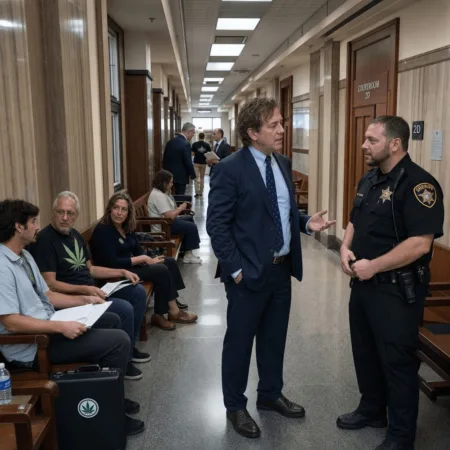
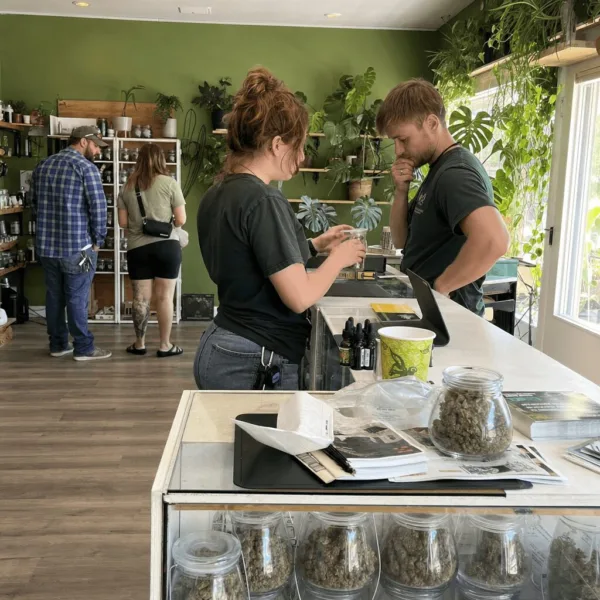
Let’s dig into this whirlwind. First up, it’s not a “what if” but a “when.” Since the state legislature began expanding medical provisions in 2020, momentum’s been building. In 2021, the Louisiana House passed a bill removing jail time for small cannabis possession—one of the most significant steps toward progressive reform in state history (Associated Press). This decriminalization saw simple possession (under 14 grams) treated as a fine, not jail, as of August 1, 2021. Meanwhile, state Representative Richard Nelson’s 2023 push for a full legalization bill stirred debate, generating headlines and sparking renewed talks between anti- and pro-legalization circles. Some state lawmakers have been influenced by new interpretations from law enforcement, a trend also seen when changes in police attitudes toward alternative therapies have shaped mental health policy elsewhere. But resistance remains strong. State Senator Bodi White and others argue for caution, concerned about social costs, policing, and federal restrictions. Yet public support is surging, with recent LSU Public Policy Research Lab data showing over half of residents now favor legalizing recreational cannabis Louisiana for adults. On the ground, the absence of recreational dispensaries leaves a black market that, truthfully, neither protects consumers nor brings tax dollars to education or infrastructure. What’s driving urgency? Neighboring Arkansas and Mississippi ramp up medical access, while economic losses (an estimated $180 million/year in potential tax revenue per Marijuana Moment) mount with every delay.
Expert Insights: Why Legalizing Recreational Cannabis Louisiana Is Inevitable
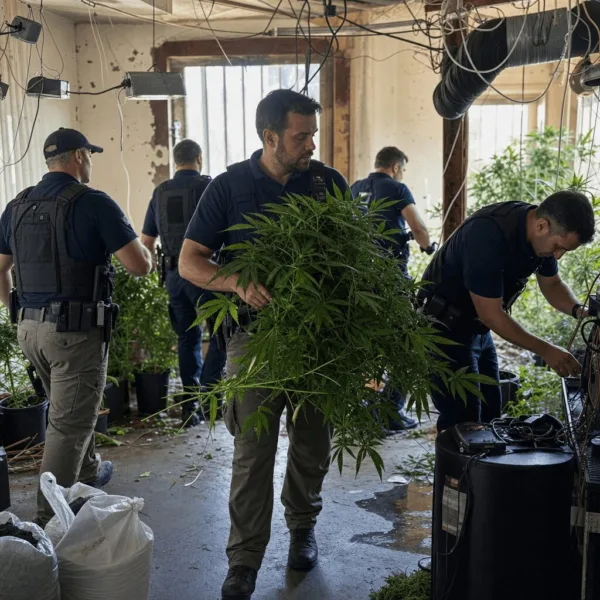
Let’s be real, prohibition doesn’t keep cannabis off the streets; it just bans safe access and strips communities of opportunity. As Leafly’s political analysts note, legalization delivers quality control, tax funding, safer products, and the possibility for justice reform. Cannabis industry veteran and chronic advocate Steve DeAngelo put it best, “Legalizing cannabis is not only about ending prohibition, it’s about building a more just and prosperous society” (Steve DeAngelo). This encapsulates why activists, from Baton Rouge college students to New Orleans entrepreneurs, are refusing to back down. Across the country, measurable benefits are emerging as legal states see positive tax impacts and steady consumption rates. As explored in recent federal medical marijuana rule changes, shifts in national policy are making it harder for Louisiana legislators to ignore the benefits of reform. In the South, where economies need a post-COVID shot in the arm, legalizing recreational cannabis Louisiana could launch hundreds of businesses and address social inequities in policing and incarceration. Law enforcement groups and the business community are slowly coming around, seeing legalization less as a risk and more as an untapped, lucrative horizon, especially as cannabis tax dollars could target education, health, and infrastructure gaps. But it’s not just about money: it’s about fairness. Every year, thousands of Louisianans are ensnared by minor cannabis offenses. According to ACLU’s cannabis enforcement report, Black residents are four times more likely to be arrested for cannabis, even though usage rates are similar among racial groups. For those interested in how legal reform and enforcement intersect at a local level in Louisiana, here’s a look at recent arrest patterns and law changes in Southwest Louisiana. Legalization offers a path to rectify this, building something better for everyone.
The Road Ahead: Opportunity, Equity & a Brighter Future for Louisiana
There’s real optimism here. While federal law still looms, state-level momentum shows legalizing recreational cannabis Louisiana is more than a talking point—it’s a coming reality. Forward-thinking business leaders, health advocates, and policymakers increasingly agree: the time to act is now. As national publications like The New York Times report, the cannabis industry’s steady march forward isn’t slowing. Louisiana’s unique blend of culture, business sense, and common-sense attitudes positions the state for a successful transition.
As the tempo picks up nationwide, Louisiana’s communities could soon see the benefits: new jobs, improved racial justice, safer consumer access, and badly needed tax revenues. Legalizing recreational cannabis Louisiana isn’t just policy—it’s progress. The future? Brighter, greener, and inclusive for everyone ready to roll with it.
Originally reported by: lsureveille.com