





Police Marijuana Confiscation: Latest Eyewitness News
Hey there, fellow cannabis enthusiasts! This week, police marijuana confiscation made headlines again, and the community is buzzing. As legal markets expand and attitudes shift, these continuing law enforcement actions are more relevant than ever. Why? Because what happens on the street still shapes perceptions, policies, and real lives. Let’s break down what just happened, why it matters for you and the industry, and where things might be headed. Trust me, this one’s got everything—surprise, controversy, and lessons for everyone who cares about fair and sensible cannabis policy.
Background: The Changing Landscape of Police Marijuana Confiscation
To really get it, you have to look at the bigger picture of police marijuana confiscation over the last decade. Cannabis legalization is spreading, 34 U.S. states now allow some form of legal marijuana, according to Pew Research, but the movement isn’t equally embraced everywhere. Grassroots activism has played a major role in shaping how communities approach cannabis regulation, and some counties are now reconsidering their bans in response to ongoing public debate, much like the developments recently seen in Yakima County. Yet, law enforcement is still catching up, and there are huge gaps between state and federal law. Federal prohibition persists, creating a patchwork mess that gives police discretion to enforce or ignore marijuana laws depending on location and circumstance. Even as dispensaries flourish in cities like Los Angeles and Denver, cannabis remains illegal in many regions and federally. This means police marijuana confiscation still happens, especially where laws are unclear or changing. Racial disparity in enforcement is another massive issue: multiple studies, such as those cited by the ACLU, reveal Black Americans are significantly more likely to be arrested for marijuana offenses despite similar usage rates. We’re in a strange era, legal weed on your street, but potential police seizures right next door. Understanding these contradictions is critical for anyone serious about cannabis policy and culture.
Key Developments: Details of the Recent Police Marijuana Confiscation
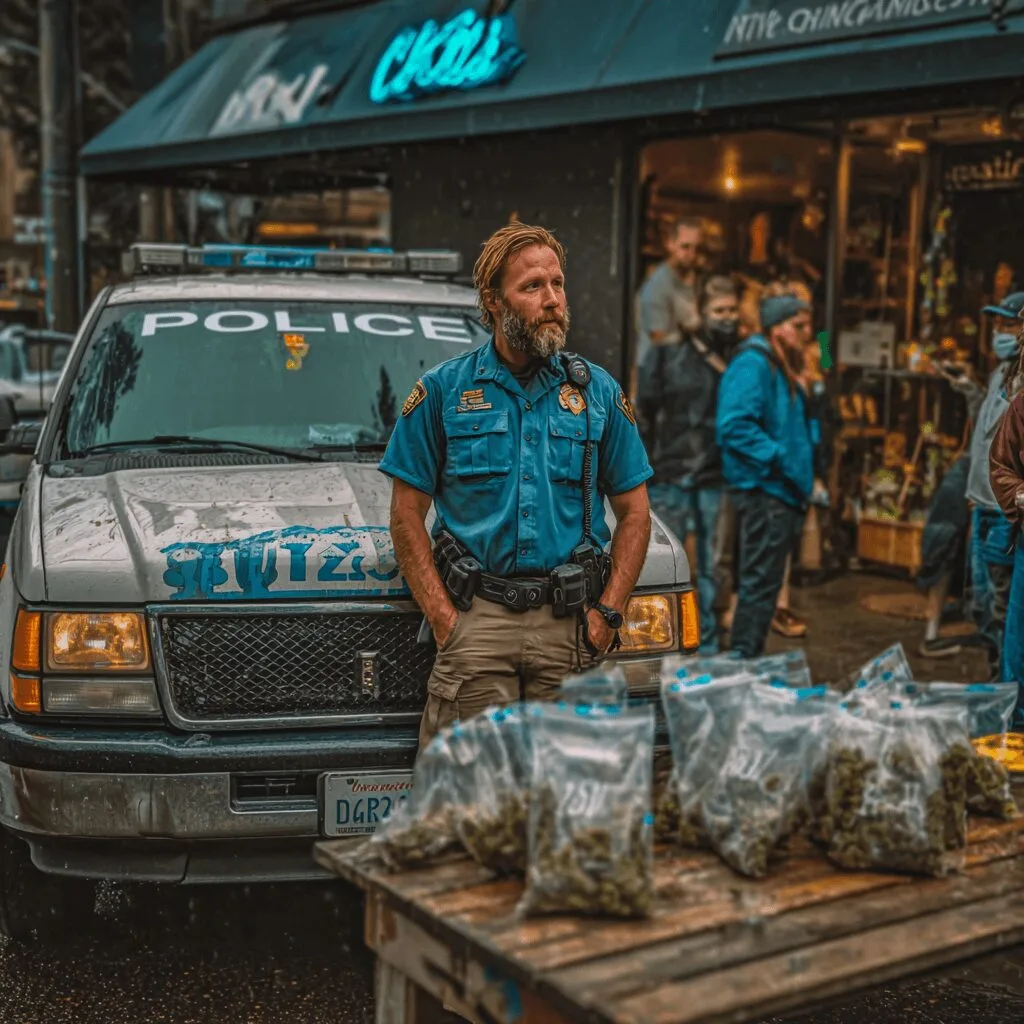
This week’s story goes down in classic fashion. According to Eyewitness News, law enforcement officers conducted two separate busts, seizing nearly $5,000 worth of cannabis products. Here’s what happened, in the first operation, police responded to a tip about suspicious activity in a residential neighborhood. On arrival, they discovered several clear bags containing dense green cannabis buds and loose marijuana spread over the hood of a plain, unmarked vehicle, no major cartel, just everyday folks. In a second, unrelated incident the same day, authorities intercepted another small stash, again placing the drugs in clear view for the press. Officers took photographic evidence (yep, those classic cell phone shots) and collected statements from bystanders. Arrests were made, but neither event involved violence or high-level trafficking. The financial estimate places the combined haul at approximately $5,000, significant locally, but not headline news for major syndicates. Both scenes unfolded in broad daylight, as reported by onlookers and Eyewitness News. Recent community efforts to increase safe cannabis access, such as events like neighborhood programs that support cannabis education, highlight how policy is evolving even while enforcement persists. The ongoing policy dilemma is crystal clear, police marijuana confiscation is still a thing, even when the broader market is evolving fast.
Expert Analysis & Pro-Cannabis Counterpoints
This is where things get interesting! First off, it’s important to recognize the reality of police discretion in marijuana law enforcement. While public attitudes are shifting, some communities double down on old-school approaches. As Leafly News points out, “The biggest challenge isn’t the law on the books, it’s how, when, and against whom those laws are enforced.” Dr. Amanda Reiman, a respected cannabis policy expert, told Marijuana Moment, “Every seizure like this is a reminder of outdated priorities. At a time when cannabis markets are generating billions for education and infrastructure, is public money best spent on low-level plant busts?” The effects of police marijuana confiscation reach deeper than headline numbers. Legalization advocates argue that aggressive enforcement can further stigmatize cannabis, discourage small entrepreneurs, and worsen community distrust. Yet, confusion remains. Local police departments say they’re following existing laws and community safety mandates. As different states debate the connections between marijuana policy and broader social issues, we see that recent political actions in places like Texas, where ballot measures are pushing for greater THC rights, could soon reshape how laws get enforced. The bottom line is many jurisdictions haven’t updated their protocols to match new cultural and legal realities.
Looking Ahead: Cannabis Progress Despite the Police Marijuana Confiscation Hurdle
If this story feels stuck in the past, that’s exactly why it matters! Each police marijuana confiscation reminds us of the work still ahead on both policy and public understanding. Industry leaders and activist organizations continue to pressure lawmakers for better, clearer laws—and to educate communities about safe, regulated cannabis. According to analysts at Headset, the legal cannabis market is projected to grow over 20% this year alone. That’s a lot of change, and it’s happening faster than some agencies can (or want to) handle. The tide is turning, though. With more states moving toward legalization, most Americans now support regulated cannabis. Light at the end of the tunnel? Absolutely. As more stories like this emerge, expect lawmakers to face increased scrutiny—and the push for rational, equitable cannabis laws will only get louder.
Originally reported by: ewnews.com


