


CBD Lekin community program: Discover the Spinning Wheel Event
There’s a major buzz right now in every corner of the cannabis community about local outreach and informed use—and the CBD Lekin community program is stepping up to lead the way. As more US states rethink the grass-roots (pun intended) foundations of legal cannabis, genuine education, social engagement, and open conversations are pushing boundaries. This new Spinning Wheel Event, organized by the CBD Lekin community program, is the perfect example: hands-on learning, friendly faces, real stories, and zero corporate double-talk. Let’s take a closer look at why this program couldn’t be more timely, how it’s shaking up neighborhood expectations, and what it truly means for the future of responsible cannabis access.
Background: Cannabis Normalization and Community-Driven Education
The CBD Lekin community program didn’t just pop up out of nowhere. Rolling back the stigma around cannabis and hemp-based wellness has been an evolving trend. According to Leafly’s 2024 cannabis market analysis, grassroots educational events are crucial as regulators, medical professionals, and families navigate a rapidly changing legal climate.
Iowa, like many Midwest states, has had a bumpy ride with cannabis policy. While CBD and hemp-derived products are legal under specific medical and industrial guidelines (see Iowa Department of Public Health), public knowledge still lags behind product availability. This is a challenge mirrored in many areas, such as the ongoing struggles with medical marijuana policy in South Dakota, where comprehensive education and open dialogue remain key. Most towns don’t prioritize open, inclusive discussions about cannabis’s science, uses, and safe integration, but that’s where programs like CBD Lekin step in. Their approach? Keep it real, keep it kind, and invite everyone to the conversation circle—seriously, David Goggins-style intensity isn’t required, but curiosity is!
Key Developments: Highlights from the Spinning Wheel Event
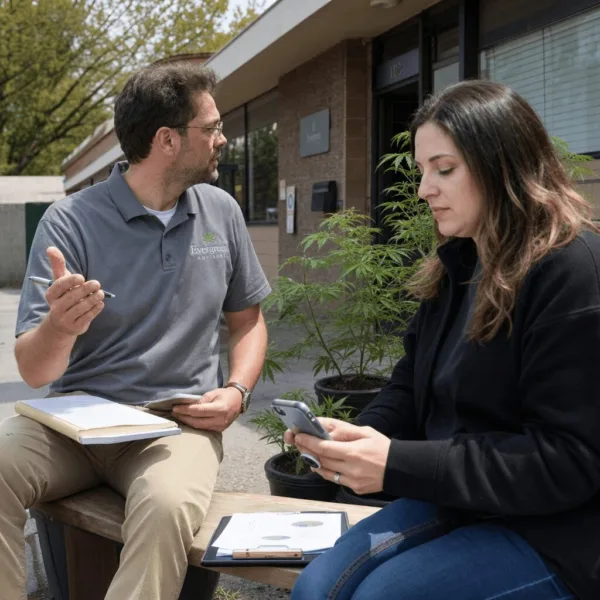
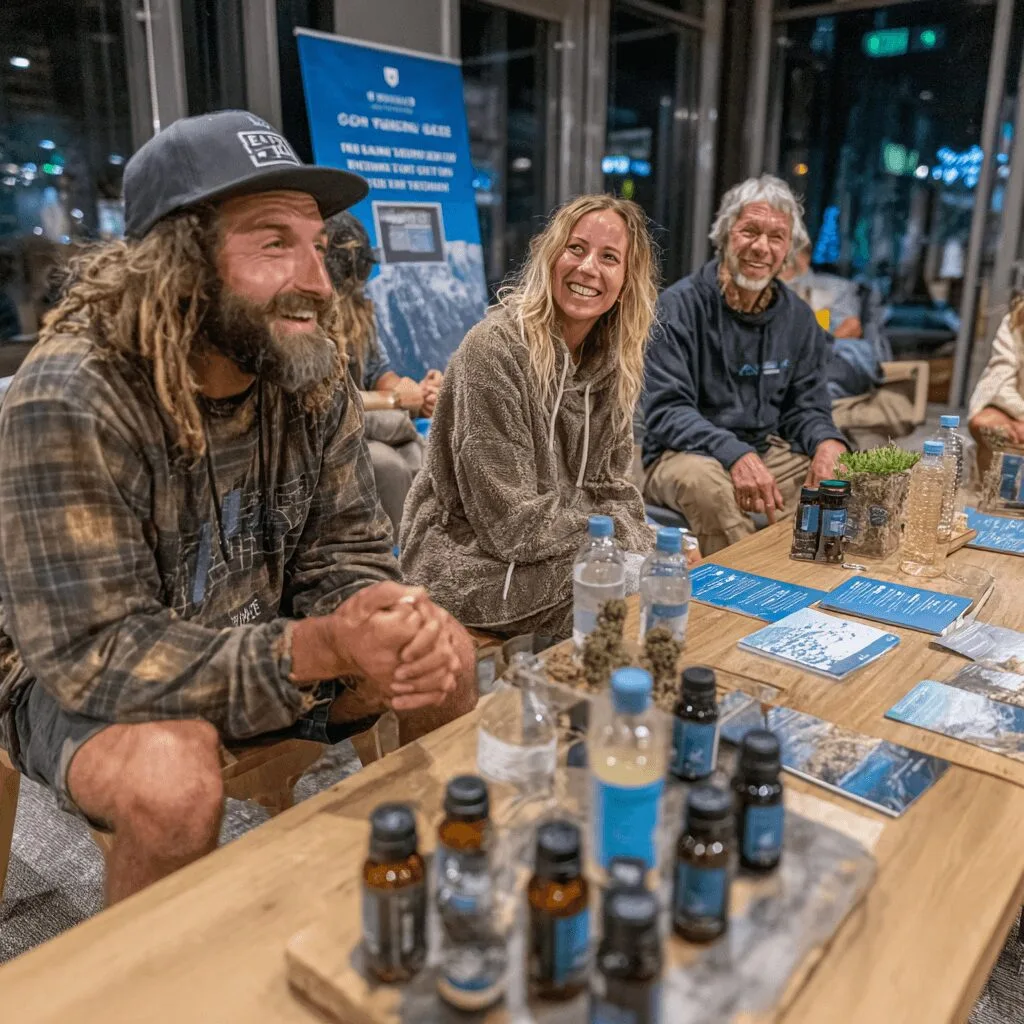
CBD Lekin community program’s most recent headline-grabber was a lively gathering at the Spinning Wheel on November 3, 2025, as reported by the Times-Republican. Who showed up? People from all walks, seniors, parents, curious newcomers, and even the odd lifelong enthusiast who could roll a joint in the dark—not that this was that kind of event.
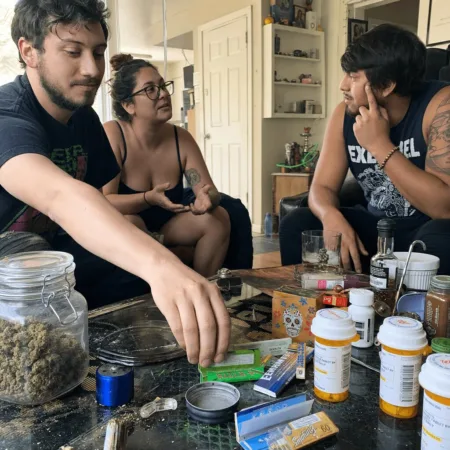
The program had a vibe: A table showcased hemp leaves, cultivar displays, and reputable CBD tinctures. Volunteers fielded questions about state law, safe usage, product quality, and personal wellness stories. Most importantly, the outreach team led open Q&A sessions, demystifying common myths, tackling risk talk head-on, and building trust among the crowd. With growing interest in regulated retail models, this is a trend echoed as new government-run cannabis stores emerge in other states, such as Minnesota’s recent government cannabis store opening. No products were sold on site; instead, free educational brochures and guided discussions encouraged responsible decision-making. According to coverage, the CBD Lekin community program even broke down the recent legislative shifts, explaining the nuances between federal hemp legality (thanks to the 2018 Farm Bill) and state-level variations.
Expert Insights: Why Community Cannabis Events Matter
The rise of local, education-first cannabis gatherings marks a turning point for the Midwest. Why? Trust and public literacy are everything. As MJBizDaily recently emphasized in their community engagement report, “Bridging gaps in cannabis acceptance isn’t just about product, it’s about people, dialogue, and meeting folks where they are.” Anyone who’s navigated the patchwork of local regulations knows that stigma doesn’t yield to legislation overnight. Public engagement, open Q&A, and honest storytelling help communities move from ‘reefer madness’ skepticism to fact-driven acceptance. These efforts have become more visible as new dispensaries for recreational use open their doors, bringing fresh opportunities for public education and cannabis normalization in locations like St. Clairsville.
Sharon Maxwell, a veteran advocate featured by NORML, puts it bluntly: “Programs like the CBD Lekin community program create safe environments for folks to learn, ask questions, and build a more informed citizen base. There’s no replacement for face-to-face conversation in cannabis normalization.”
Humor, empathy, and facts go a long way. After all, no one’s changing their mind about cannabis policy because a suit in a boardroom says so, it’s the neighbor at your local community center, sharing how CBD oil helped their arthritis, who makes the difference. These events prove cannabis culture can be both responsible and genuinely welcoming.
Looking Ahead: The Future of Grassroots Cannabis Programs
The CBD Lekin community program is setting a powerful example for the entire Midwest—and maybe the country. As community-focused events gain traction, expect a tidal wave of better-informed consumers, safer use, and (finally!) some honest discussion in living rooms, schools, and beyond.
Analysts at New Frontier Data predict steady growth for educational programs like this, as states continue to update their regulations and citizens demand straightforward answers. Whether you’re a total beginner or seasoned canna-geek, the time for respectful, fact-driven cannabis education is right now. For anyone still on the fence, all it takes is showing up, asking a question, or sharing your story—because the future of cannabis is about building bridges, not just moving product. Here’s to more moments where curiosity, compassion, and the law actually get along.
Originally reported by: timesrepublican.com
1 Comment
Pingback: Target Marijuana Consumer Behavior: What Drives Their Shopping Choices?