



Philippine Navy marijuana recovery: Shocking Palawan find
It’s not every day the cannabis world gets rocked by military headlines, but the recent Philippine Navy marijuana recovery off Palawan is turning heads for good reason. With shifting tides in legalization across Asia and a steady rise in global interest, this coastal incident spotlights how cannabis remains a lightning rod for debate, policy, and pop culture. Whether you’re here for robust news, island intrigue, or the big questions surrounding weed in today’s shifting regulatory climate, this event is too fresh—and too influential—to ignore.
Regulatory & Social Context: Cannabis Laws Clash with Reality
The Philippines maintains strict prohibitions against cannabis, with enforcement shaped by the Comprehensive Dangerous Drugs Act of 2002. The act criminalizes cannabis cultivation, possession, and distribution, treating violations as major felonies with severe penalties that often mean decades behind bars. Despite these restrictions, cannabis cultivation continues in secrecy, stirring intense debate, especially as neighboring countries move toward reform. According to Nikkei Asia, local drug enforcement remains unpredictable with public opinion and high-profile busts rarely aligning. While some areas grapple with other forms of illegal marijuana use, issues like the persistent struggle of law enforcement in Michigan highlight why even regions with tough laws can’t ignore the problem entirely; you can read more about this growing crisis in one analysis of illegal marijuana markets. In the Philippines, cannabis remains a flashpoint, testing lawmakers, law enforcement, and social norms. The Palawan incident only underscores these ongoing tensions.
Key Developments: Unpacking the Palawan Discovery
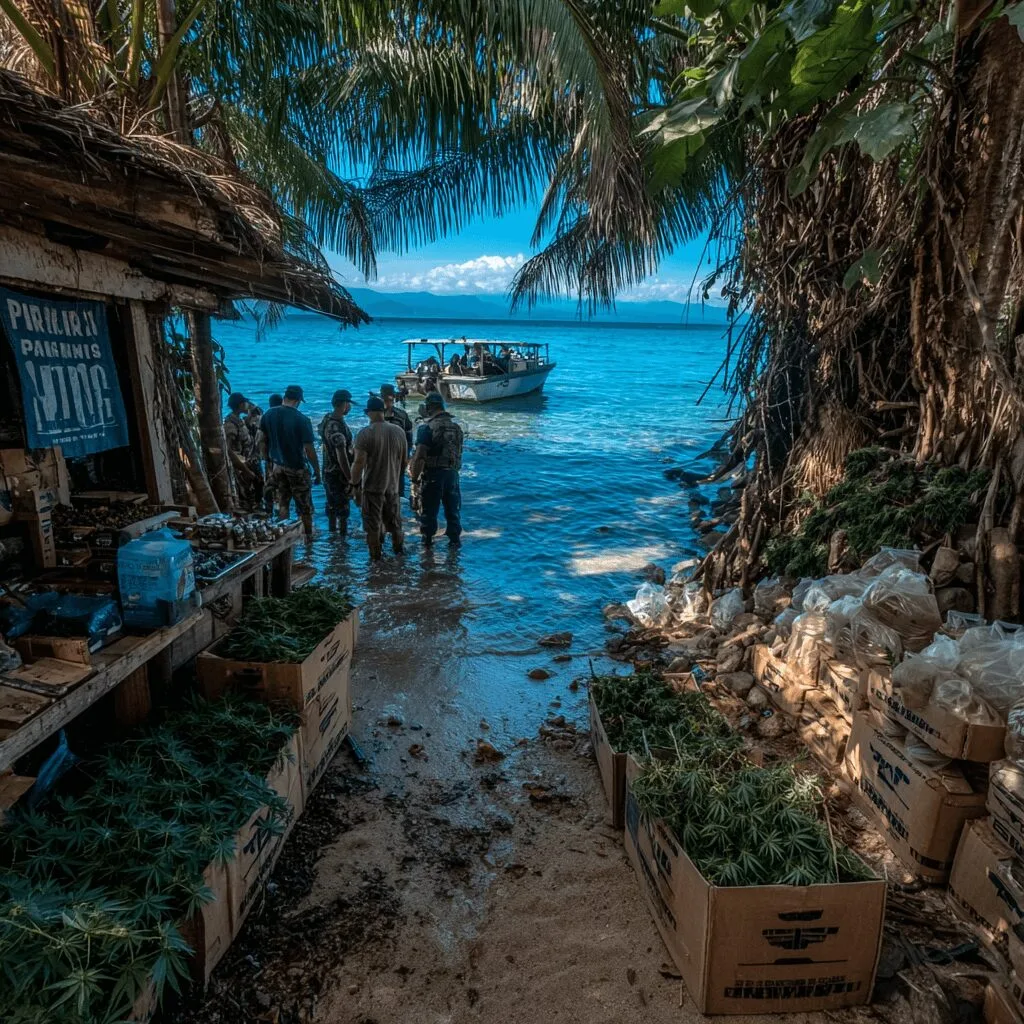
The recent Philippine Navy marijuana recovery made serious waves, both locally and regionally, when Navy personnel found a stash that included high-grade marijuana along with debris suspected to be from Chinese rocket parts on a Palawan beach. As detailed in Maritime Fairtrade, this occurred during a routine patrol, which quickly became the focus of both a criminal investigation and public speculation. Officers recovered large, tightly sealed packages of cannabis and metallic fragments, hinting at a more organized smuggling effort. This case has sparked debate about how local authorities can balance enforcement with the complex realities of cross-border trafficking. Similar regulatory challenges have recently affected the opening of dispensaries in other countries, as seen with delays in dispensary registration and local reform in North Branch. The presence of rocket debris adds another layer of international tension to the Philippine Navy marijuana recovery and reflects ongoing anxieties in maritime security.
Expert Insights: Charting the Cannabis Industry’s Rocky Waters
For those closely watching cannabis policy in Asia, the Philippine Navy marijuana recovery is just one example of wider global shifts—case studies like this often spark both concern and opportunity. As Marcus Richardson, a leading industry consultant, observes, “Every time an event like this hits, it’s a reality check. We see that the old paradigms are cracking, even in regions where regulations seem airtight. The plant keeps moving across borders, finding new ways into the conversation and sometimes, onto the beach.” Surveying broader trends, while legalization moves forward in places like Thailand, the Philippines maintains its zero-tolerance position—often in conflict with rising consumer interest and advocacy for medical cannabis. Reports like the New Frontier Data Asia Cannabis Industry Outlook highlight that such high-profile events both reflect and accelerate calls for public dialogue on reform. Additionally, some of the real-world impacts of marijuana use, such as the ongoing debate over its stimulation effects, can be explored further in dedicated analyses on marijuana’s actual impact on users—a topic deeply relevant to current dilemmas in regional policy and public health.
Looking Ahead: Growth, Change, and Grassroots Advocacy
The Philippine Navy marijuana recovery off Palawan is more than a wild news story—it’s a mirror for the contradictions, challenges, and slow-motion shifts in regional drug policy. As international attitudes warm and more medical programs launch in neighboring territories, pressure mounts for the Philippines to re-examine its old-school approach. According to a recent Leafly report, successful reform often starts with high-profile cases that spark new dialogue among voters, lawmakers, and even law enforcement. This Palawan story could prove pivotal, turning public curiosity and official action into groundswell change—advancing education, compassion, and rational policymaking. The future of cannabis in the Philippines won’t be written in one sensational event, but every headline pushes the conversation forward. Advocates hope for a tide of policy grounded in science, health, and freedom, sailing steadily toward acceptance and opportunity from the coasts of Palawan to the halls of Manila.
Originally reported by: maritimefairtrade.org