


Pet Marijuana Exposure: What Vets Want You to Know Now
If you’re a pet owner and a cannabis enthusiast, you’ve probably caught the buzz about pet marijuana exposure lately. New legal markets, changing attitudes, and rising home use set the stage for more accidental encounters between pets and your stash. With more states legalizing and edibles everywhere, it’s never been more important to understand the do’s, don’ts, and dangers of pet marijuana exposure. In this conversation, we break down what’s trending, where the real risks lie, and what vets want pet parents to understand now.
Regulatory, Legal, and Social Background of Pet Marijuana Exposure
The U.S. cannabis market has exploded in recent years. Thirty-eight states allow medical weed, and over half now permit adult-use cannabis (NORML), sparking debate across the country. In places like Alabama, changes to medical marijuana policy signal shifts in regulation and access. While these laws mean more responsible adult access, they also trigger unforeseen challenges like pet marijuana exposure. Regulations set specific packaging rules, child-proof and sometimes pet-resistant, but enforcement varies state by state. Meanwhile, social acceptance has matured, with plenty of folks smoking or snacking on edibles at home. However, most regulatory regimes haven’t yet addressed the growing risk of accidental pet marijuana exposure. Vets and poison control centers report a steady uptick in weed-related pet emergencies as normalization brings cannabis into the heart of family life. Media coverage and veterinary journals confirm the urgency of tackling this new side effect of legalization (JAVMA).
The Rise in Pet Marijuana Exposure: Key Developments, Current Issues, and Recent News
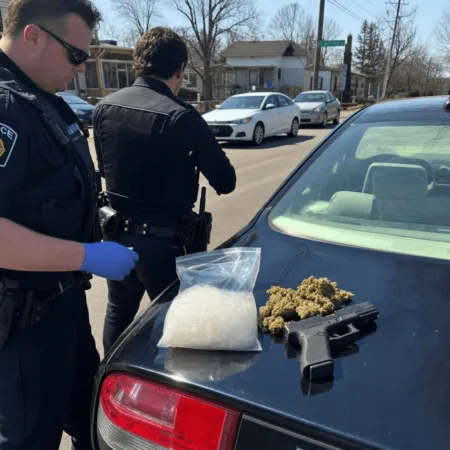
According to veterinarians interviewed by WHYY, accidental pet marijuana exposure is more common than ever. The ASPCA’s Animal Poison Control Center received over 6,200 calls for marijuana toxicity in pets in 2021, nearly doubling from previous years. This trend mirrors broader legalization trends that swept states like New Jersey, Pennsylvania, and Illinois over the past five years. Common ways pets get exposed include finding edibles, munching on loose flower, or gobbling up roaches from ashtrays, as discussed in recent cases related to enforcement crackdowns and trafficking incidents highlighted in state investigations. Dr. Elizabeth Rozanski, a Tufts emergency vet, underscores calls about stumbling, lethargic dogs ‘with the munchies.’ While most cases aren’t fatal, signs like disorientation, vomiting, or even seizures require urgent veterinary help. Vets note that edibles (brownies, gummies, infused butter) can pack a particular punch, delivering both THC and potentially dangerous ingredients like chocolate or xylitol. In some rare cases, pet marijuana exposure has led to prolonged hospital stays. As legalization grows, so does the risk, prompting professional bodies like the American Veterinary Medical Association to call for more research and education (AVMA).
Expert Analysis & Industry Insights on Pet Marijuana Exposure
Let’s lay it out, as much as we’re all in favor of responsible cannabis use for humans, pets aren’t equipped for the high. But don’t panic! Most accidental pet marijuana exposure can be treated successfully if caught early. Experts say the spike in cannabis incidents is a direct result of how normalized weed has become in daily life. Dr. Sarah Klein from the American Kennel Club notes, “We need increased educational outreach for pet owners as legalization expands, since many simply don’t realize dogs and cats can be so sensitive to THC.” (AKC). On the flip side, leading cannabis advocates remind nervous pet parents that proper storage is the best medicine. These discussions have emerged alongside issues like recent layoffs and shifting industry dynamics impacting cannabis companies and consumer safety efforts. The legal industry often stresses sealed, high-up containers and child-and-pet resistant stash boxes, common sense for any home with a curious pet. Many seasoned tokers have adapted their routines, keeping the flower jar behind lock and key and always sweeping up dropped nugs after a sesh. These simple moves can dramatically cut the chances of accidental pet marijuana exposure. Industry experts add that transparency, rigorous lab testing, and new packaging standards could help keep furry friends safe as legalization expands. Just as we’ve demanded clearer THC dosing and warning labels, pet safety should be part of the packaging conversation. Community outreach by dispensaries and informative vet handouts are helping shape safer habits in legal cannabis homes.
Looking Ahead: Safer Homes, Smarter Laws, and a Brighter Cannabis Future
As cannabis culture becomes mainstream, smart consumers, advocates, and policymakers have a fresh responsibility: keeping pets safe from pet marijuana exposure. With continued research, updated veterinary protocols, and strong public awareness, accidental pet marijuana exposure doesn’t have to be a major risk. The cannabis industry is already stepping up with inventive packaging and outreach, while local governments look to refine their rules. Ultimately, social acceptance can work hand-in-hand with smart safeguards, making the green wave safe for every family member—four legs or two. Industry leaders like NORML anticipate stricter labeling, educational campaigns, and stronger laws in the years to come. Cannabis fans and pet parents alike have their part to play—so let’s keep it safe and responsible as legalization keeps rolling forward.
Originally reported by: whyy.org