



Virginia marijuana resentencing: Major legal changes revealed
With Virginia marijuana resentencing hitting the headlines yet again, it’s no wonder advocates and everyday folks are paying attention. Sweeping legal reforms are rolling out, reshaping the lives of thousands impacted by prior cannabis convictions. As the Old Dominion pivots towards a more just approach, it’s time to break down exactly what’s changing, why it matters now, and how these moves reflect larger cannabis industry trends. Expect the latest insights, hard facts, and my honest, expert take on what Virginia marijuana resentencing signals for justice, policy, and cannabis culture.
Understanding the Road to Virginia Marijuana Resentencing
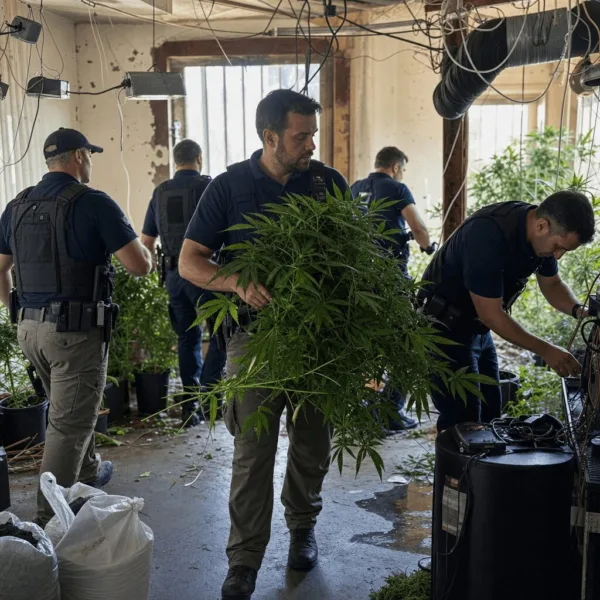
If you rewind just a few years, Virginia was known for strict drug laws, especially regarding cannabis offenses. As recently as 2020, simple marijuana possession was a criminal charge that could haunt you for life, throwing up endless barriers for jobs, housing, and education. Mainstream sentiment began shifting in response to powerful research showing that the brunt of prosecution fell disproportionately on marginalized communities (ACLU of Virginia). Lawmakers navigated intense debates and regulatory hurdles, balancing legalization demands, public safety concerns, and complex social justice issues. Those familiar with the ripple effects beyond Virginia might notice how legal outcomes, such as the recent marijuana trafficking bust in Augusta, reflect the ongoing evolution in state and regional drug policy enforcement.
The turning point came as data from states like Colorado, Oregon, and California showed that sensible cannabis reform could cut crime, boost tax revenue, and most importantly, right the wrongs inflicted by decades of prohibition. Progressive voices gained ground, advocacy ramped up, and a growing recognition of cannabis’ medical value and deep cultural roots sparked the current push for Virginia marijuana resentencing. Amidst shifting federal policy signals and mounting scientific consensus, Virginia is rewriting its cannabis legacy, aiming for fairness, dignity, and real-world impact.
Key Developments & Monumental Issues: What’s Actually Happening?
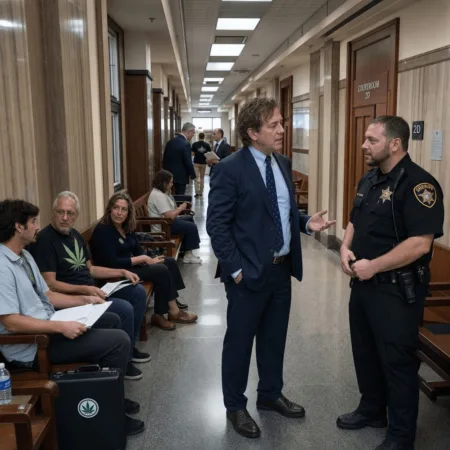
On May 15, 2026, Virginia’s governor signed a batch of groundbreaking bills into law, sealing the deal for major criminal justice reforms. The headline act? A comprehensive Virginia marijuana resentencing initiative designed to review and potentially reduce sentences for thousands with cannabis-related convictions (WDBJ7 News). The law mandates that courts proactively revisit legacy marijuana cases. Eligible individuals include those who had been convicted of simple possession, small-scale cultivation, or minor distribution prior to state legalization.
Other crucial provisions prohibit use of prior low-level cannabis offenses as leverage in housing or employment decisions, and call for expungement of qualifying records. This means judges are now required, rather than merely allowed, to review old marijuana sentences, accelerating redemption and reducing bureaucratic hurdles. Law enforcement agencies and prosecutors must quickly comply, with the commonwealth’s attorneys tasked with notification and implementation, per legal directives filed in June 2026.
This policy shift comes as states nationwide are reexamining their own approaches, particularly following notable regulatory changes such as the Texas ban on smokeable hemp products and its repercussions for smoke shops and retailers across the state. While the May session covered a wide range of criminal justice bills, the Virginia marijuana resentencing law stands out for its large-scale social justice impact. Industry experts from NORML and regional social equity organizations are already calling this a massive leap forward in righting the wrongs of prohibition.
Expert Analysis & Insights: Why Virginia Marijuana Resentencing Matters
“Resentencing laws aren’t just about clearing records, they’re about restoring opportunity and dignity to thousands who were caught up in old-school criminalization,” says Paul Armentano, Deputy Director at NORML. Looking at the Virginia marijuana resentencing wave, you can see a blueprint for the broader U.S. cannabis movement. Strategic reforms like these give hope to those boxed out by outdated laws, while building trust between communities and policymakers.
But implementing resentencing requires courts, clerks, and law enforcement to coordinate at scale, which is no small feat in a state with thousands of open cases. Advocates are energized: 2026’s legislative action directly addresses the persistent stigma and barriers that plague the post-legalization era. Industry watchdogs note that, if done right, Virginia’s model could set a gold standard for other states grappling with complex cannabis justice issues. Observers also compare Virginia’s effort to recent trends in major cannabis industry layoffs, underlining the delicate balance between criminal justice reform and the economic realities shaping the workforce, as shown by cases like the Gold Spectrum CBD layoffs.
Another layer worth noting is the economic edge. When expungement and resentencing remove career and housing obstacles, people can reclaim their lives, participate in the local economy, and even join the burgeoning legal cannabis workforce—a win for the state, not just past defendants.
Future Outlook: What’s Next for Virginia—and Cannabis Nationwide?
Looking ahead, Virginia marijuana resentencing isn’t just a short-term fix; it’s the vanguard of a nationwide push toward more thoughtful, compassionate cannabis policy reforms. As social acceptance skyrockets and lawmakers respond to decades of advocacy, this type of legislative change will likely become the new normal across the US.
Continuous monitoring by groups like Leafly Politics shows that public opinion is driving policy at a breakneck pace. Virginia’s approach—combining mandatory resentencing with practical record expungement—signals momentum for deeper reform, not backsliding. Already, neighboring states are watching closely, keen to learn from both the pains and the growing gains.
For people once sidelined by past cannabis convictions, and for everyone rooting for a more equitable future, the recent reforms feel like a breath of fresh air. The bottom line: Virginia marijuana resentencing isn’t just an isolated event, but the spark for the next chapter in smart, humane cannabis justice. This is how progress happens—one well-crafted policy, and one second chance, at a time.
Originally reported by: wdbj7.com