Pennsylvania cannabis retail market: What’s next for local shops?
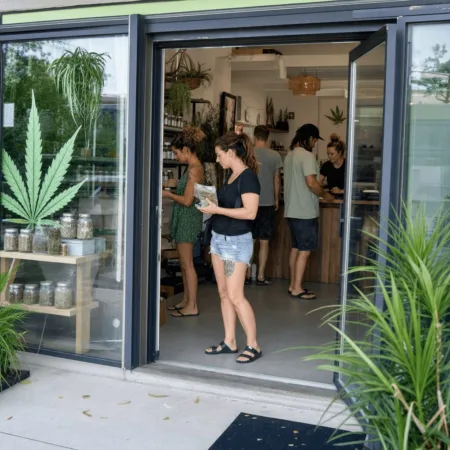
The Pennsylvania cannabis retail market is heating up as legalization discussions and market developments are unfolding at lightning speed. From regulatory shakeups to small-town shop owners prepping for a new era, the entire state is buzzing with anticipation. With state lawmakers and regulatory bodies setting the tone for how legalization will shape communities and local business prospects, there’s never been a more pivotal moment. In this article, we’ll break down the latest legislative context, spotlight game-changing developments, share expert cannabis industry analysis, and offer an optimistic outlook on Pennsylvania’s retail cannabis future.
Regulatory Groundwork & Social Context for the Pennsylvania Cannabis Retail Market
The National Conference of State Legislatures notes that Pennsylvania’s medical marijuana program has operated since 2016, and the path toward a legal adult-use market is coming into clearer focus. State lawmakers, including Governor Josh Shapiro, have put adult-use legalization on the legislative table, echoing a national trend toward cannabis normalization. Social attitudes are shifting quickly, with neighboring states like New Jersey and New York having already launched recreational markets, creating pressure for Pennsylvania to keep pace. As seen in state-level regulatory debates in Ohio, regional developments are fueling urgency for cohesive policy. According to Pew Research, nearly 88% of Americans now favor some form of cannabis legalization, indicating strong public support. The economic promise is also real, with projections from Benzinga suggesting Pennsylvania’s potential annual cannabis tax haul could exceed $250 million once adult-use sales begin. Local communities, entrepreneurs, and existing medical dispensaries are thus watching with anticipation, eager to seize their slice of this burgeoning sector.
Key Developments & Industry Challenges in the Pennsylvania Cannabis Retail Market
The most significant recent development centers on the legislative push for full adult-use legalization. Governor Shapiro’s latest fiscal proposal seeks to legalize recreational cannabis and launch retail sales as soon as January 1, 2025, as reported by MJBizDaily. The proposal includes a licensing system prioritizing small, independent operators over large multistate corporations, aiming to avoid monopolies and foster competitive local businesses. Recent town hall meetings, spanning cities from Pittsburgh to Erie, have seen robust debates about zoning, taxation rates, and local social equity programs, which reflect local community dynamics similar to those seen in other regions shaping the future of cannabis farming through local votes. Major Pennsylvania-based medical operators, such as Trulieve and Ethos Cannabis, have begun positioning themselves for the transition, expanding infrastructure and training staff for potential adult-use demand, according to Leafly. However, lawmakers continue grappling with issues like automatic expungement for past nonviolent cannabis offenses and ensuring local jurisdictions have control over shop locations. Legislation is under review in both the House and Senate, with bipartisan support signaling a promising, if complicated, path forward.
Expert Analysis & Pro-Cannabis Insights: What’s at Stake in the Pennsylvania Cannabis Retail Market?
With Pennsylvania on the cusp of launching a full-scale retail market, industry insiders see both huge opportunities and real hurdles. Susan Close, policy analyst at the Pennsylvania Cannabis Coalition, notes, “If lawmakers stick to prioritizing independent retail licenses, we could see the most diverse and community-rooted set of cannabis shops in the region. But unless expungement and fair zoning get addressed, the model risks repeating past industry mistakes.” That perspective draws from historical lessons in states like California and Illinois, where social equity intentions hit operational snags (Marijuana Moment). At the same time, legal shops offer robust consumer safety checks, research-backed health guidance, and local economic benefits, a dynamic also seen where sudden enforcement actions, like high-profile raids on unlicensed THC retailers challenge community norms and retail safety. Many experts emphasize that dignified, professional cannabis retail can break stereotypes while meeting social needs. As John Hudak, author of “Marijuana: A Short History,” writes, “No state has everything figured out, but Pennsylvania’s focus on community access could be a model worth emulating” (Google Books).
Looking Ahead: The Future of the Pennsylvania Cannabis Retail Market
Despite legislative complexities and inevitable hurdles, the future of the Pennsylvania cannabis retail market looks undeniably bright. Policymakers are signaling that reform is more a matter of “when” than “if.” Grassroots advocacy and small business innovation will likely ensure the Keystone State’s retail sector is as vibrant and diverse as its communities—from Scranton to Lancaster. As consumer demand soars, regulatory structures are evolving toward greater equity and responsibility. According to Forbes, Pennsylvania could soon stand as a leading example of thoughtful, inclusive cannabis market development. With creativity, persistence, and public engagement, the state’s retail shops are poised to thrive—lighting the way for responsible growth and social progress in cannabis nationwide.
Originally reported by: mjbizdaily.com