




Oregon marijuana sentencing: Shocking penalties revealed
In today’s rapidly shifting cannabis landscape, few topics spark debate quite like Oregon marijuana sentencing. With laws evolving and public perceptions changing, the penalties for marijuana-related charges remain a hot-button issue. Recent headlines reveal just how out-of-step some punishments are compared to Oregon’s reputation for progressive cannabis reforms. This article unpacks Oregon marijuana sentencing, exposes the current controversies, and considers what it means for everyone from consumers to industry insiders. Let’s dig in and explore this crucial moment for cannabis justice.
The Legal Patchwork: Oregon Marijuana Sentencing in Context
Oregon was one of the nation’s trailblazers, legalizing recreational marijuana in 2014 (Oregon Liquor and Cannabis Commission). The Beaver State built a reputation for open-minded drug policy, selling legal weed in bright, beautiful storefronts. For many, the seasonal rush on dispensaries makes headlines as customers flock for supplies, and shifts in sales can be dramatic when winter weather hits (see how winter weather sparks cannabis sales surges). But, even in this green-friendly region, Oregon marijuana sentencing remains highly complex, especially for offenses outside the state-regulated system. Federal prohibitions linger, and charges tied to distribution, trafficking, or money laundering can trigger tough mandatory minimums, even when dealing with cannabis. The result is a whiplash-inducing landscape, where selling flower at a dispensary is celebrated, but federal cases for out-of-bounds operations lead to multi-year sentences.
This disconnect is driven by overlapping legal codes, according to experts quoted by NORML and reviews from Leafly: state reforms don’t always shield Oregonians from federal prosecution. Social justice advocates argue these gaps can perpetuate inequalities, especially for people previously convicted before legalization took hold. Oregon marijuana sentencing, then, operates at the crossroads of old-school war-on-drugs logic and the modern cannabis marketplace.
Recent Shocks: Harsh Oregon Marijuana Sentencing in the Headlines
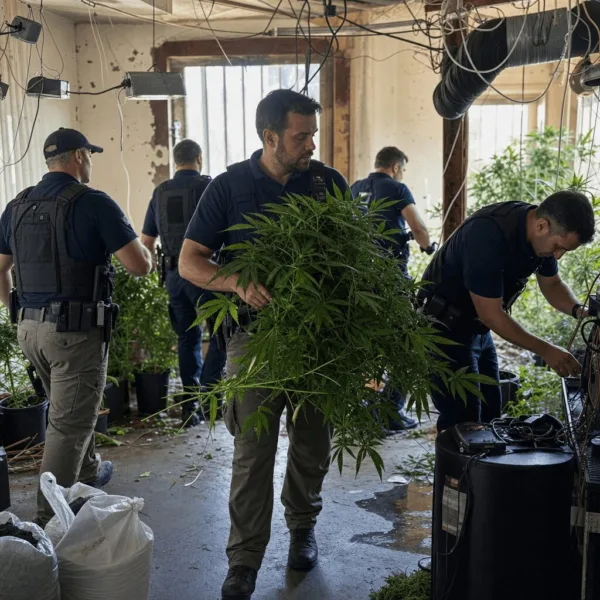
The disconnect couldn’t be clearer than in a recent case that’s making waves among Oregon cannabis advocates. As reported by the U.S. Department of Justice, a middle-aged Oregonian was sentenced to more than eleven years in federal prison for a combination of marijuana distribution and money laundering offenses. The severity of the Oregon marijuana sentencing left many in the industry shaking their heads.
The charges outlined a complex operation moving product outside the state’s regulated system, which is a major red flag for federal prosecutors. Even with legal cannabis available, unlicensed distribution can have life-altering consequences. This case, finalized in the spring of 2024, illustrates just how unforgiving the system remains. In comparison, states adjusting regulations and aiming for real change in their recreational markets are drawing national attention (with updates on major recreational marijuana retail reforms). Industry observers note that while Oregon has expunged thousands of minor possession records (according to the Marijuana Moment), sentences for large-scale, unlicensed distribution are still incredibly harsh under federal law.
It’s a sobering reminder: Oregon marijuana sentencing is anything but uniform, and major federal busts don’t care about your ZIP code or state-level reforms. The case has sparked renewed calls for policy harmonization—and for a closer look at the human impact of decades-old statutes.
Breaking It Down: Expert Analysis & Cannabis Industry Insights
Let’s not sugarcoat it: Oregon marijuana sentencing for high-level distribution remains out of step with the times. According to longtime cannabis analyst and Cannabis Business Times contributor Lisa Montgomery, “We’ve seen states like Oregon lead the world in legal access, but the chasm between state reforms and federal punishments continues to ruin lives. No one should face a decade behind bars for non-violent marijuana charges when the legal market is thriving down the street.”
Industry insiders argue these cases highlight the urgent need for the federal government to catch up. Legal uncertainty puts operators and consumers at risk—for example, cash-heavy businesses can attract charges like money laundering due to lingering banking restrictions (Safe and Just). While looking at the challenges facing local workers and how pay is shifting in the cannabis industry (see trends in cannabis job wages), experts warn more high-profile Oregon marijuana sentencing stories could emerge unless legal contradictions are resolved. The tension isn’t lost on budtenders and licensed producers, who see firsthand the impact of reform and the limits of its reach.
The Road Ahead: Hopeful Signs for Oregon Marijuana Sentencing Reform
Despite these sobering headlines, the future of Oregon marijuana sentencing is brighter than ever. Industry groups, legal scholars, and public health advocates continue to push for expungement, sentencing reform, and full federal legalization (Drug Policy Alliance). Already, bills in Congress and state legislatures signal a seismic shift ahead. Oregon’s own track record, which includes automatic record sealing for minor convictions and support for restorative justice, is paving the way. Every new study published by agencies like the Brookings Institution points to the economic and social rewards of ditching outdated sentencing models.
So while the Oregon marijuana sentencing debate isn’t over, progress is undeniable. Grassroots advocacy and industry innovation are clearing a path toward a more rational, humane approach to cannabis law. The next chapter is unwritten—but given Oregon’s pioneering spirit, it’s likely the best is yet to come.
Originally reported by: justice.gov



1 Comment
Pingback: Guilford County cocaine seizure shocks with major bust